
Dogs are intuitive, expressive animals, but sometimes their behaviors leave us puzzled—especially when they fixate on something that seems invisible to us. One such behavior is staring at a wall for no apparent reason. While occasional odd conduct can fall within the range of normal canine quirks, persistent or intense wall-staring may signal an underlying issue. Understanding why dogs do this—and knowing when it crosses from harmless to concerning—is essential for responsible pet ownership.
This article explores the possible reasons behind your dog’s wall-gazing, ranging from simple curiosity to serious medical conditions. We’ll break down behavioral, environmental, and health-related causes, provide actionable insights, and help you determine when it’s time to consult a veterinarian.
Common Reasons Dogs Stare at Walls
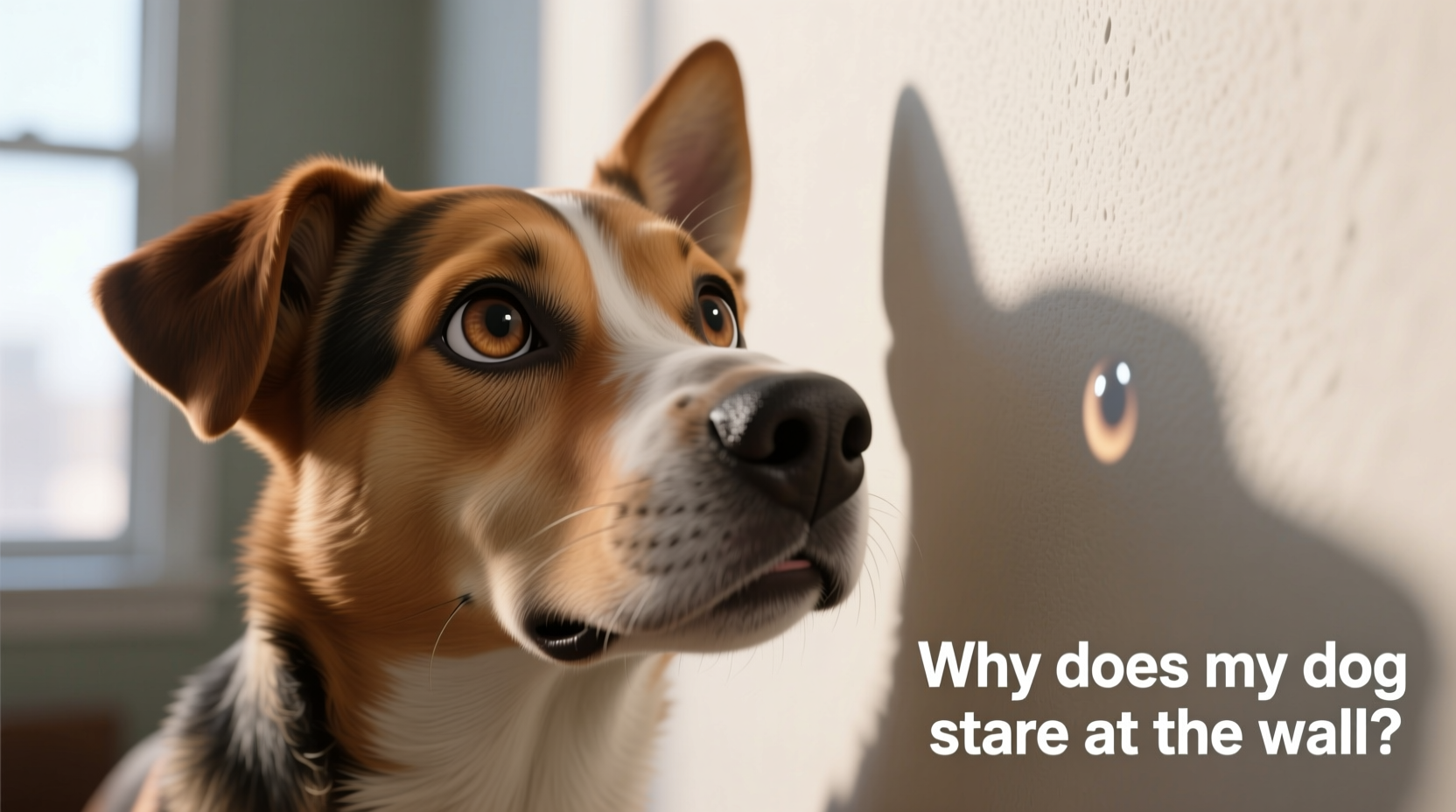
Dog behavior often stems from instinct, environment, or internal states. Wall-staring isn’t always alarming, but context matters. Here are several explanations for why your dog might be doing it:
- Curiosity or auditory stimuli: Dogs have superior hearing and may detect sounds humans can’t—such as rodents inside walls, plumbing noises, or distant sirens. Their focus could simply be tracking movement or sound.
- Visual fixation: Light patterns, shadows, or dust particles moving in sunlight can capture a dog’s attention, especially in breeds with high prey drive.
- Boredom or lack of stimulation: Dogs left alone for long periods may develop repetitive behaviors like staring, pacing, or licking as coping mechanisms.
- Seeking attention: Some dogs learn that unusual behavior gets a reaction. If staring earns concern or interaction, they may repeat it.
- Routine or ritualistic habits: Like humans tapping fingers or twirling hair, some dogs develop small rituals that include fixed gazes.
When Wall-Staring Signals a Medical Problem
Not all staring episodes are benign. In some cases, this behavior reflects neurological dysfunction or cognitive decline. The key is consistency, frequency, and accompanying symptoms.
One of the most serious conditions associated with wall-staring is canine cognitive dysfunction (CCD), often compared to Alzheimer’s in humans. CCD typically affects senior dogs (8 years and older) and involves confusion, disorientation, altered sleep cycles, and repetitive actions—including prolonged fixation on blank surfaces.
Another potential cause is seizures. Focal (partial) seizures affect only part of the brain and may not involve convulsions. Instead, dogs might appear “zoned out,” twitch one side of the face, drool, or stare unblinkingly at a wall for seconds to minutes. These episodes can be subtle and easily mistaken for daydreaming.
“Focal seizures in dogs are often underdiagnosed because owners don’t recognize the signs. A dog staring into space for 30 seconds with a vacant look may actually be experiencing abnormal electrical activity in the brain.” — Dr. Laura Bennett, Veterinary Neurologist
Signs That Suggest a Neurological Issue
If your dog exhibits any of the following along with wall-staring, consider a veterinary evaluation:
- Sudden onset without prior history
- Episodes lasting more than a minute
- Loss of awareness during the episode (doesn’t respond to name)
- Repetitive blinking, jaw snapping, or paw lifting during the stare
- Disorientation afterward (walking into furniture, circling)
- Changes in appetite, sleep, or house-training habits
Behavioral vs. Medical: How to Tell the Difference
Distinguishing between behavioral quirks and medical concerns requires careful observation over time. Use the table below to assess your dog’s behavior:
| Factor | Behavioral Cause | Medical Cause |
|---|---|---|
| Frequency | Occasional, situational | Frequent, daily, or increasing |
| Duration | Seconds; breaks when distracted | 30+ seconds; hard to interrupt |
| Response to Owner | Looks away when called | Ignores voice or touch |
| Aftermath | Resumes normal activity | Appears confused or dazed |
| Other Symptoms | None | Circling, tremors, incontinence |
For example, if your dog stares at the wall every afternoon near a heating vent where mice once lived, it may be responding to residual scents or faint scratching. But if the same dog starts having multiple staring spells per day, fails to respond to commands, and begins urinating indoors, a medical workup becomes urgent.
Mini Case Study: Max, the 9-Year-Old Border Collie
Max, a formerly energetic Border Collie, began standing motionless in front of the living room wall for up to two minutes at a time. His owner initially dismissed it as aging or boredom. Over three weeks, the episodes increased from once weekly to four times daily. Max also started pacing at night and forgetting basic commands.
A veterinary exam revealed elevated liver enzymes and suspicion of hepatic encephalopathy—a condition where toxins build up in the bloodstream and affect brain function. After dietary changes and medication, Max’s staring stopped entirely within two months. This case underscores how non-neurological illnesses can manifest as odd behavior.
Tip: Keep a symptom journal. Note date, time, duration, triggers, and post-episode behavior. This log is invaluable for veterinarians diagnosing episodic conditions.Step-by-Step Guide: What to Do If Your Dog Stares at Walls
If you’ve noticed this behavior and are unsure whether it’s serious, follow these steps to assess and act appropriately:
- Observe silently: Watch your dog without intervening. Note how long the stare lasts and whether they respond to noise or movement.
- Test responsiveness: Call their name or shake a treat bag. A behavioral response should break focus quickly.
- Check the environment: Look for drafts, sounds, insects, or visual cues (e.g., flickering lights) that might explain the fixation.
- Rule out boredom: Increase walks, puzzle toys, and training sessions. Monitor if the behavior decreases with enrichment.
- Document episodes: Record videos if possible. Duration and subtle movements (like eye twitching) are critical diagnostic clues.
- Schedule a vet visit: Especially if episodes last longer than 30 seconds, occur more than once a week, or are accompanied by other changes.
- Prepare for diagnostics: Your vet may recommend bloodwork, thyroid testing, or referral to a neurologist for MRI or EEG if seizures are suspected.
Prevention and Environmental Management
While you can’t prevent all medical conditions, you can reduce risk factors and support your dog’s mental well-being:
- Mental stimulation: Daily training, scent games, and interactive toys keep the brain active and reduce compulsive tendencies.
- Consistent routine: Dogs thrive on predictability. Sudden changes in schedule or environment can trigger anxiety-related behaviors.
- Diet and supplements: Omega-3 fatty acids, antioxidants, and vet-approved cognitive support formulas (like those containing medium-chain triglycerides) may benefit older dogs.
- Reduce stressors: Avoid loud noises, chaotic households, or isolation. Consider pheromone diffusers or calming garments for anxious pets.
FAQ
Can anxiety cause a dog to stare at walls?
Yes. Dogs with generalized anxiety or obsessive-compulsive tendencies may develop repetitive behaviors like wall-staring, air-snapping, or tail-chasing. These often stem from stress, lack of exercise, or genetic predisposition in high-drive breeds.
Is wall-staring a sign of blindness?
Not directly, but vision loss can lead to disorientation. A blind dog might press their face near walls or appear to stare due to inability to process visual input. Other signs include bumping into objects, reluctance to jump, or startling easily.
How is a seizure diagnosed in dogs?
Vets rely on detailed history, video evidence, and ruling out other causes. Blood tests check for metabolic issues. Advanced diagnostics like MRI or spinal fluid analysis may be needed to confirm epilepsy or brain lesions.
Action Checklist: Responding to Unexplained Wall-Staring
Use this checklist to determine your next steps:
- ☐ Observe and time the episode without interference
- ☐ Record a video of the behavior
- ☐ Note any patterns (time of day, location, triggers)
- ☐ Check for additional symptoms (drooling, trembling, incontinence)
- ☐ Eliminate environmental causes (pests, sounds, lighting)
- ☐ Enhance mental and physical enrichment
- ☐ Schedule a veterinary consultation if episodes persist or worsen
- ☐ Request bloodwork and neurological screening if advised
Conclusion
Your dog’s sudden wall-staring may be nothing more than a fleeting moment of curiosity—or it could be the first clue to a deeper health issue. The difference lies in pattern, persistence, and context. By staying observant, documenting changes, and acting promptly when red flags appear, you protect both your dog’s well-being and peace of mind.
Dogs can’t tell us when something feels wrong inside their bodies. They communicate through behavior. When that behavior shifts—especially in ways that seem strange or detached—it’s our responsibility to listen. Don’t dismiss odd actions as “just getting old” without investigation. Early intervention can dramatically improve outcomes for conditions ranging from seizures to metabolic disease.
💬 Have you noticed your dog staring at walls? Share your experience or questions in the comments—your story might help another pet owner recognize a warning sign early.








