
Dogs are masters of silent communication, often expressing trust, anxiety, or affection through subtle body language. One of the most puzzling yet common behaviors pet owners report is their dog locking eyes with them during one of the most private moments: defecation. While it may seem odd—or even comical—there’s a deep-rooted psychological and evolutionary reason behind this behavior. Far from being random, your dog’s gaze during bathroom time is a powerful indicator of trust, vulnerability, and social bonding.
This article explores the science behind why dogs stare at their owners while pooping, focusing on the \"vulnerability instinct,\" pack dynamics, and emotional signaling. We’ll also break down what this behavior says about your relationship with your dog and how to respond in ways that reinforce security and confidence.
The Vulnerability Instinct: A Survival Mechanism
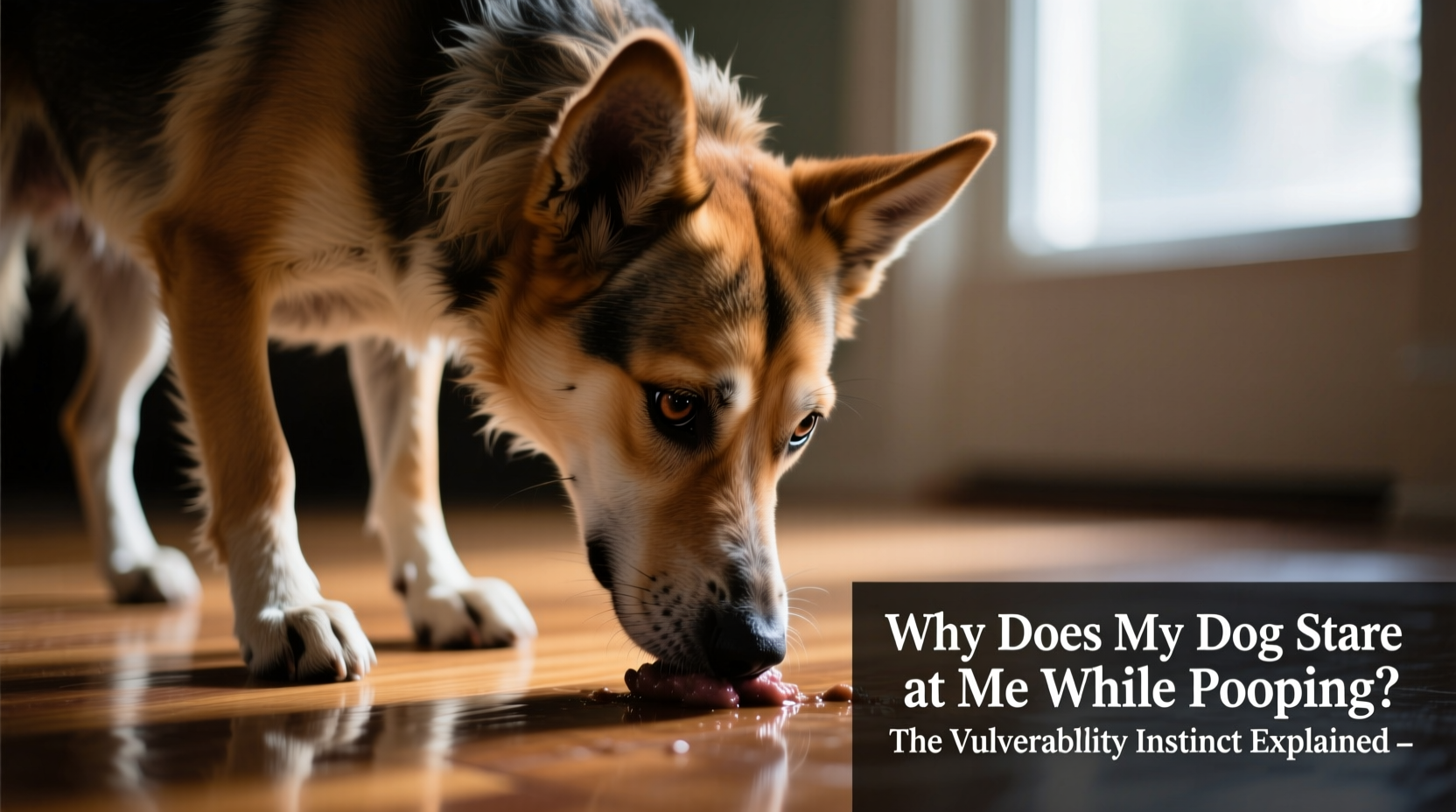
When a dog squats to defecate, they enter a physically vulnerable state. In the wild, animals lower their guard during elimination, making them easy targets for predators. Even though domesticated dogs no longer face immediate threats from wolves or big cats, these primal instincts remain embedded in their behavior.
The act of defecating requires relaxation of muscles and focus on bodily function, which limits mobility and alertness. During this time, a dog is less able to flee or fight if danger arises. This momentary weakness triggers an innate need for reassurance—especially in environments perceived as unfamiliar or potentially unsafe.
This is where the human companion comes in. Your dog looks to you not out of habit, but as a calculated survival strategy: you are their protector. By maintaining eye contact, they’re silently asking, “Are we safe? Will you watch my back?”
Tip: If your dog consistently stares at you while pooping, it’s a sign they view you as a trusted guardian. Avoid reacting with laughter or distraction—this could undermine their sense of security.Pack Mentality and Social Hierarchy
Dogs are descendants of pack animals, and despite centuries of domestication, their social structures still mirror those of wild canines. In a wolf pack, subordinate members typically eliminate away from the group and avoid drawing attention to themselves. Dominant wolves, however, may defecate more openly and assertively, sometimes using scent marking as a territorial signal.
Domestic dogs don’t operate under strict dominance hierarchies like wolves, but they do form strong emotional bonds with their human families—whom they consider part of their social unit. When your dog stares at you while pooping, they’re not challenging you; instead, they’re acknowledging your role as a central figure in their pack.
This gaze serves multiple purposes:
- Seeking Approval: Subtle confirmation that their behavior is acceptable within the group.
- Maintaining Connection: Reinforcing the bond during a moment when they feel exposed.
- Monitoring for Threats: Using your reactions as a gauge of environmental safety.
“Eye contact during vulnerable acts like eating, sleeping, or eliminating is a profound gesture of trust in canine communication.” — Dr. Karen Becker, Integrative Veterinarian and Animal Behavior Specialist
Why Eye Contact Matters in Canine Communication
Unlike humans, who may interpret prolonged eye contact as confrontational, dogs use mutual gaze as a bonding tool. Studies have shown that when dogs and owners look into each other’s eyes, both experience a surge in oxytocin—the so-called “love hormone” associated with attachment and affection.
This biological response strengthens the human-dog bond and explains why dogs seek visual reassurance during sensitive moments. The stare while pooping isn’t just functional—it’s emotional. It’s your dog saying, “I know I’m defenseless right now, but I feel safe because you’re here.”
Interestingly, dogs are less likely to make eye contact during elimination in high-stress environments or around unfamiliar people. If your dog avoids looking at you during bathroom breaks, especially in new places, it may indicate anxiety or incomplete trust.
Environmental Factors That Influence the Behavior
Not all dogs stare while pooping, and the frequency of this behavior can vary based on context. Key factors include:
| Factor | Effect on Staring Behavior |
|---|---|
| Familiar Environment | Increased likelihood of eye contact due to comfort and trust. |
| Unfamiliar Territory | Dogs may avoid eye contact and scan surroundings instead. |
| Presence of Other Dogs | May reduce staring; focus shifts to social monitoring. |
| Owner’s Reaction | Laughing or moving suddenly can discourage future eye contact. |
| Breed Tendencies | Herding breeds (e.g., Border Collies) often show higher vigilance and attachment behaviors. |
What This Behavior Reveals About Your Relationship
Your dog’s decision to maintain eye contact while pooping is more than a quirky habit—it’s a window into the quality of your relationship. Consistent staring suggests:
- You’ve established yourself as a reliable source of safety.
- Your dog feels emotionally secure in your presence.
- They view you as a core member of their social circle.
Conversely, if your dog never makes eye contact during elimination—even at home—it may be worth evaluating their stress levels or considering whether past experiences have affected their trust. Rescue dogs, for example, may take months or even years to display this level of vulnerability.
Mini Case Study: Luna, the Rescue Beagle
Luna, a three-year-old beagle adopted from a rural shelter, initially avoided eye contact during walks and bathroom breaks. Her owner, Maria, noticed that Luna would squat quickly, look at the ground, and immediately rush back to her side. Over several weeks, Maria practiced standing calmly nearby without speaking or making sudden movements. She also reinforced positive associations with treats after successful eliminations.
After two months, Maria observed a shift: Luna began glancing up mid-squat. Within weeks, the glances turned into steady eye contact lasting several seconds. “It was like she finally trusted me enough to let her guard down,” Maria said. This change coincided with broader improvements in Luna’s confidence, including reduced leash pulling and increased willingness to explore new environments.
Luna’s story illustrates how small behavioral cues can reflect major emotional milestones in a dog’s journey toward trust.
How to Respond: Supporting Your Dog’s Emotional Needs
Understanding why your dog stares at you while pooping is only half the solution. The other half lies in how you respond. Here’s how to support your dog’s emotional well-being during these moments:
- Stay Calm and Still: Avoid laughing, moving closer, or making sudden noises. Your dog is scanning for signs of danger—your calm demeanor signals safety.
- Maintain Soft Eye Contact: Gently return their gaze without staring intensely. A relaxed blink or slight head tilt can convey reassurance.
- Avoid Rushing Them: Let your dog finish at their own pace. Hurrying disrupts their natural rhythm and increases stress.
- Reinforce Positive Associations: After they’re done, offer quiet praise or a treat—not during elimination, as this might interrupt the process.
- Be Consistent: Practice the same routine on walks and in the yard so your dog knows what to expect.
Checklist: Building Trust Around Elimination
If you want to strengthen your dog’s confidence during bathroom time, follow this actionable checklist:
- ✅ Stand quietly at a respectful distance during elimination.
- ✅ Use a consistent cue word (e.g., “Go potty”) to build predictability.
- ✅ Reward completion with calm praise or a treat after they’re finished.
- ✅ Avoid distractions like phones or conversations during potty breaks.
- ✅ Observe patterns—note when and where your dog feels safest.
- ✅ Gradually expose anxious dogs to new environments with patience.
- ✅ Consult a behaviorist if your dog shows signs of fear or avoidance.
FAQ: Common Questions About Dog Staring Behavior
Is it normal for my dog to stare at me while pooping?
Yes, it’s completely normal and often a sign of trust. Dogs who feel safe with their owners are more likely to maintain eye contact during vulnerable activities like eliminating, eating, or sleeping.
Should I look back at my dog when they’re pooping?
Yes, but softly and without intensity. A gentle, reassuring gaze helps confirm that the environment is secure. Avoid direct, unblinking stares, which can be interpreted as threatening in canine body language.
My dog used to stare but stopped—should I be concerned?
Changes in behavior warrant attention. If your dog suddenly stops making eye contact during elimination, consider recent changes: new pets, moves, loud noises, or health issues. Painful conditions like arthritis or gastrointestinal discomfort can also alter posture and focus. When in doubt, consult your veterinarian.
Conclusion: Honor the Moment, Strengthen the Bond
The next time your dog locks eyes with you mid-squat, resist the urge to laugh or look away. That glance carries meaning far beyond the moment—it’s a testament to the bond you’ve built, a silent acknowledgment of dependence, and a plea for protection rooted in thousands of years of evolution.
By responding with calm presence and consistency, you reinforce your role as a trusted ally in your dog’s world. These small, everyday interactions accumulate into a deeper, more resilient relationship—one where your dog feels safe enough to be vulnerable, and loved enough to share it with you.
💬 Have you noticed your dog staring at you while pooping? Share your experience or questions in the comments—your story could help another pet owner understand their furry friend better.








