Dog owners often notice their pets making a soft, drawn-out exhale—what we interpret as a sigh. Unlike human sighs, which are frequently linked to stress or frustration, canine sighs can carry multiple meanings depending on context, body language, and individual temperament. Understanding these vocalizations is key to building a deeper bond with your dog and ensuring their emotional and physical well-being. While dogs don’t use words, they communicate through a rich combination of sounds, postures, and facial expressions. The sigh, in particular, stands out as one of the most nuanced yet commonly misunderstood behaviors.
Sighing in dogs isn’t always a sign of fatigue or disappointment. In fact, it can signal contentment, relaxation, or even an attempt to self-soothe during moments of mild anxiety. Recognizing the subtle differences in timing, tone, and accompanying body cues allows pet owners to respond appropriately—whether that means offering comfort, adjusting the environment, or simply appreciating a moment of peaceful coexistence.
The Science Behind Canine Sighing
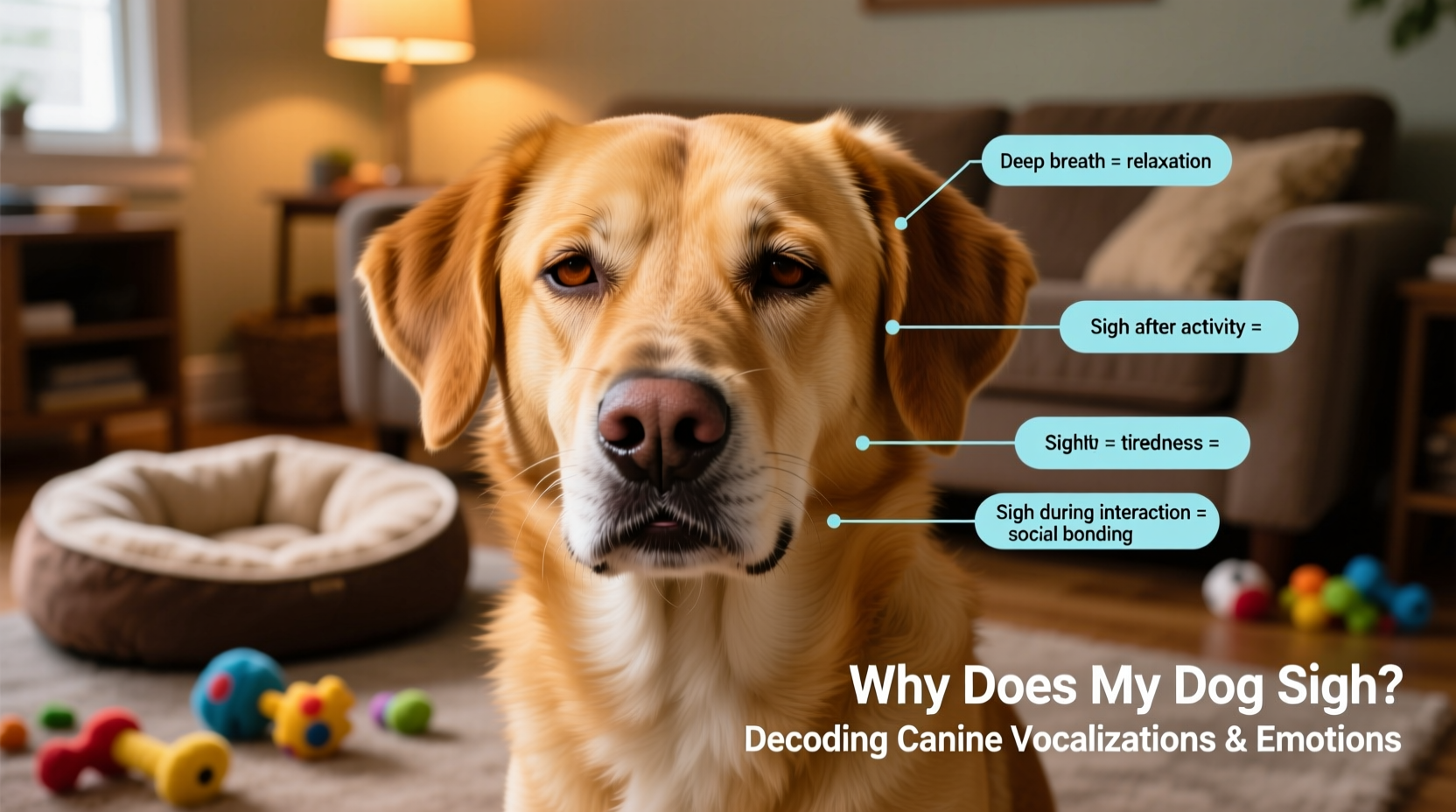
From a physiological standpoint, a sigh is a deep inhalation followed by a slow exhalation. In both humans and animals, this respiratory pattern helps reinflate alveoli in the lungs and maintain optimal oxygen exchange. But beyond its biological function, sighing plays a role in emotional regulation. Studies in animal behavior suggest that sighs in dogs often occur at transition points—between sleep and wakefulness, after periods of excitement, or when shifting from alertness to rest.
Dr. Patricia McConnell, a renowned animal behaviorist, explains:
“Dogs use sighs as a form of non-vocal communication. It’s not just about breathing—it’s a social signal that can convey everything from relief to mild frustration, depending on the situation.” — Dr. Patricia McConnell, Ethologist and Dog Behavior Expert
Unlike barking or growling, which are more overt and attention-seeking, sighing is a subtle cue. This subtlety means it’s often overlooked, yet it provides valuable insight into a dog’s internal state. For example, a dog lying down with half-closed eyes and a soft sigh likely feels safe and relaxed. Conversely, repeated sighing during training sessions might indicate mental fatigue or confusion.
Common Reasons Dogs Sigh
Not all sighs are created equal. The meaning behind a dog’s sigh depends heavily on context. Here are the most frequent causes:
- Contentment: A deep, slow sigh while lying on their side, especially with exposed belly and relaxed facial muscles, usually indicates satisfaction. This is common after play, cuddling, or receiving affection.
- Relaxation: Dogs often sigh when settling into sleep or transitioning from activity to rest. Paired with yawning or blinking, it signals a calm nervous system.
- Frustration or Disappointment: A sharper, more audible sigh—sometimes accompanied by turning away or avoiding eye contact—can reflect mild annoyance. For instance, a dog may sigh when you stop petting them or put away a toy.
- Self-Soothing: In mildly stressful environments (e.g., loud noises, unfamiliar people), dogs may sigh to regulate their emotions, similar to how humans take deep breaths to calm down.
- Pain or Discomfort: Chronic or frequent sighing, especially when combined with stiffness, reluctance to move, or changes in appetite, could point to underlying health issues such as arthritis or respiratory problems.
Decoding Canine Vocalizations: A Broader Perspective
Sighing is just one piece of a complex vocal repertoire. Dogs use a range of sounds to express needs and emotions. Understanding these vocalizations enhances communication and strengthens trust.
| Vocalization | Common Meaning | Body Language Cues |
|---|---|---|
| Barking | Alert, excitement, demand, or warning | Erect posture, focused gaze, raised tail |
| Whining | Distress, desire for attention, or pain | Pacing, pawing, wide eyes |
| Growling | Warning, fear, or resource guarding | Stiff body, bared teeth, intense stare |
| Howling | Long-distance communication, response to sounds | Head tilted up, alert ears |
| Sighing | Relief, contentment, or mild frustration | Lying down, half-closed eyes, relaxed mouth |
It’s important to avoid anthropomorphizing these sounds. While a sigh might seem “bored” or “annoyed” to us, dogs don’t experience emotions in exactly the same way humans do. Instead, they react to stimuli based on instinct, learning, and physiological state. Interpreting vocalizations accurately requires observing patterns over time and ruling out medical causes when behavior shifts suddenly.
When Sighing Might Signal a Health Concern
While occasional sighing is normal, excessive or labored sighing warrants closer attention. Respiratory conditions like bronchitis, heart disease, or tracheal collapse can cause increased breathing effort, which may be mistaken for habitual sighing. Similarly, chronic pain—especially in older dogs—can lead to frequent exhalations as a way to cope with discomfort.
Watch for red flags such as:
- Sighing accompanied by coughing, wheezing, or gagging
- Increased respiratory rate at rest (over 30 breaths per minute)
- Reluctance to lie down or change positions
- Lethargy or decreased interest in usual activities
If any of these symptoms appear, consult your veterinarian. Diagnostic tools like chest X-rays, blood tests, or cardiac evaluations may be necessary to rule out serious conditions.
Real-Life Example: Bella the Rescue Dog
Bella, a 4-year-old mixed breed, was adopted from a shelter where she had lived for nearly a year. Her new owner, Maria, noticed that Bella sighed frequently—especially in the evenings. At first, Maria assumed her dog was unhappy or bored. She tried increasing walks and adding puzzle toys, but the sighing persisted.
After consulting a certified dog behavior consultant, Maria learned to observe Bella’s full body language. She realized that the sighs occurred mostly when Bella lay on her favorite couch, eyes half-closed, tail giving slow thumps. There were no signs of tension or avoidance. The behavior specialist explained that for Bella, sighing was a learned comfort behavior—likely developed in the shelter as a way to self-soothe in an unpredictable environment. Now in a safe home, the sighs had transformed into signals of security.
Maria adjusted her understanding and stopped trying to “fix” the behavior. Over time, she noticed the frequency decreased as Bella became more confident. This case highlights how context and history shape canine communication—and why patience and observation trump assumptions.
How to Respond to Your Dog’s Sighs: A Step-by-Step Guide
Instead of reacting impulsively, follow this structured approach to better understand and support your dog:
- Pause and Observe: When your dog sighs, take a moment to assess the situation. What were they doing before? Where are they positioned?
- Check Body Language: Look at ear position, tail movement, eye tension, and overall posture. Are they relaxed or tense?
- Note the Frequency: Is this an isolated sigh or part of a repetitive pattern? Frequent sighing may require further investigation.
- Consider Environmental Factors: Has something changed recently—new pet, visitor, construction noise, routine shift?
- Rule Out Medical Causes: If in doubt, schedule a vet visit to check for pain, respiratory issues, or neurological concerns.
- Respond Appropriately: If the sigh indicates contentment, enjoy the moment. If it suggests frustration, adjust your interaction. If it points to anxiety, create a calmer space.
Practical Checklist: Assessing Your Dog’s Sighing Behavior
Use this checklist to evaluate whether your dog’s sighing is normal or a cause for concern:
- ☑ Occurs mainly during relaxation or after activity
- ☑ Accompanied by soft eyes, loose body, and calm breathing
- ☑ No other behavioral changes (e.g., aggression, withdrawal)
- ☑ Not paired with coughing, panting, or labored breathing
- ☑ Consistent over time, without sudden increase in frequency
- ☑ Responds positively to affection or environmental adjustments
If all boxes are checked, the sighing is likely a healthy expression of emotional regulation. If several are unchecked, consider professional evaluation.
Frequently Asked Questions
Is it normal for puppies to sigh a lot?
Yes, puppies often sigh when settling into sleep or after bursts of energy. As their nervous systems develop, they use sighs to transition between states of arousal and rest. As long as the puppy is active, eating well, and shows no signs of distress, frequent sighing is typically harmless.
Can dogs sigh when they’re sad?
Dogs don’t experience sadness in the human sense, but they can feel anxiety, loneliness, or discomfort. A sigh in a lonely or stressed dog may reflect emotional strain, especially if paired with withdrawn behavior, loss of appetite, or excessive licking. Providing companionship, routine, and mental stimulation can help alleviate such signs.
Should I ignore my dog when they sigh?
Not necessarily. Ignoring is appropriate if the sigh signals contentment—you don’t want to reinforce relaxation with attention. However, if the sigh appears linked to frustration or anxiety, acknowledge it by calmly adjusting the environment or offering reassurance. The goal is responsive, not reactive, care.
Conclusion: Listening Beyond the Sound
Your dog’s sigh is more than just an exhale—it’s a window into their emotional world. By learning to interpret this subtle vocalization within the broader context of behavior and health, you become a more attuned and compassionate companion. Whether the sigh reflects deep contentment or quiet unease, your awareness makes all the difference.
Start today by observing your dog with fresh attention. Notice when they sigh, how their body looks, and what happens just before and after. Over time, you’ll develop an intuitive understanding that goes beyond words. And if you ever wonder whether a behavior is normal, remember: when in doubt, consult a veterinarian or certified animal behaviorist.
💬 Have a story about your dog’s sighs? Share your experiences in the comments—your insights could help fellow dog lovers decode their own furry friends’ silent language.








