
Dogs licking their paws isn’t unusual—many do it occasionally as part of grooming. But when the behavior turns into a compulsive, constant habit, it’s more than just a quirk. Excessive paw licking can signal underlying physical or psychological issues ranging from allergies to anxiety. Understanding the root cause is essential not only for your dog’s comfort but also to prevent secondary complications like skin infections or hot spots. This guide explores the most common reasons behind obsessive paw licking, how to differentiate between normal and problematic behavior, and when it’s time to consult a veterinarian.
Common Reasons Dogs Lick Their Paws
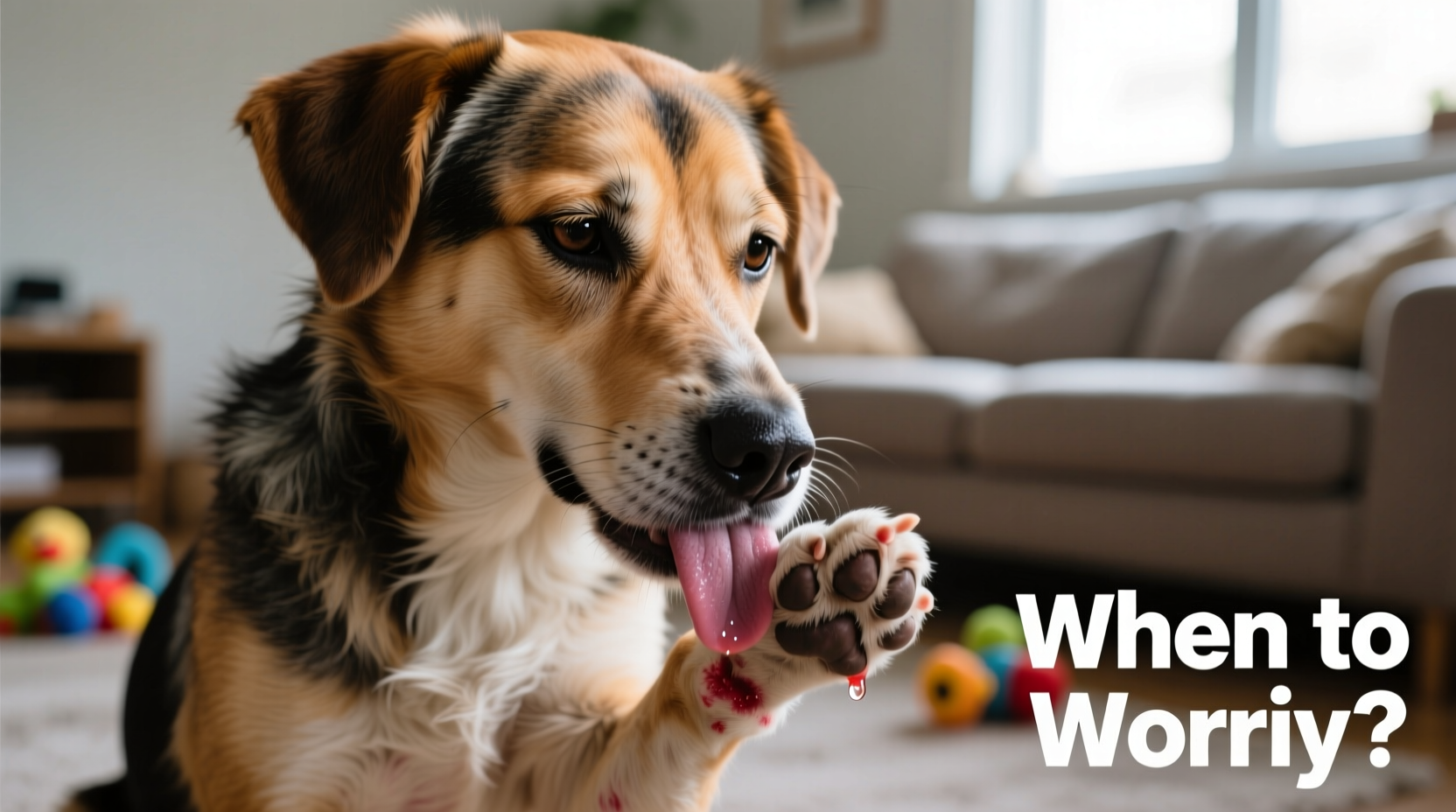
Dogs use their mouths and tongues to explore, soothe, and clean. Mild licking after a walk or before settling down is generally harmless. However, persistent, focused licking—especially if concentrated on one paw or lasting for extended periods—often points to deeper causes. The following are the most frequent contributors:
- Allergies (Environmental or Food): One of the leading causes of excessive paw licking. Pollens, dust mites, mold, and certain food ingredients (like chicken, beef, or grains) can trigger allergic reactions that manifest in the paws due to sweat glands there.
- Skin Infections: Bacterial or yeast overgrowth between the toes or on paw pads can cause intense itching and discomfort, prompting dogs to lick for relief.
- Foreign Objects: Splinters, burrs, sand, or small stones trapped between toes create irritation and lead to focused licking.
- Pain or Injury: Arthritis, sprains, cuts, cracked nails, or even bone abnormalities may cause a dog to lick the affected area as a self-soothing mechanism.
- Boredom or Anxiety: Dogs under-stimulated mentally or emotionally may develop compulsive behaviors such as repetitive paw licking, similar to nail-biting in humans.
- Hormonal Imbalances: Conditions like hypothyroidism or Cushing’s disease can contribute to dry, itchy skin and secondary licking behaviors.
When Paw Licking Becomes a Problem
Not every instance of paw licking requires immediate concern. Occasional grooming is natural. But chronic licking—defined as more than 15–20 minutes at a time, multiple times daily—can damage tissue, introduce bacteria, and worsen the very issue the dog is trying to relieve. Here are key warning signs that indicate it’s time to take action:
- Redness, swelling, or warmth in the paws
- Foul odor coming from between the toes
- Discoloration of fur (especially reddish-brown staining on light-colored dogs)
- Limping or favoring one leg
- Thickened, leathery skin (lichenification)
- Open sores, scabs, or hair loss around the paws
- Obsessive focus on licking, even when distracted
If your dog seems unable to stop despite redirection, or if you notice any of the above symptoms, professional evaluation is warranted. Left untreated, excessive licking can progress to pyoderma (skin infection), deep tissue inflammation, or behavioral fixation that’s harder to reverse over time.
“Chronic paw licking is rarely just a bad habit. It’s usually the body’s way of signaling discomfort—whether physical or emotional.” — Dr. Lena Reyes, DVM, Veterinary Dermatology Specialist
Step-by-Step Guide to Assessing and Addressing the Behavior
Before jumping to conclusions, follow this structured approach to identify potential causes and determine the appropriate response.
- Inspect the paws closely: Gently examine each paw pad and between the toes. Look for thorns, cuts, swelling, or embedded debris. Use a flashlight if needed.
- Clean the paws: Wash with mild antiseptic solution or diluted chlorhexidine wipes. Rinse thoroughly and dry completely.
- Monitor frequency and duration: Track how often and how long your dog licks. Note patterns—does it happen more at night? After meals? During storms?
- Eliminate environmental triggers: Switch to fragrance-free laundry detergent for bedding, vacuum frequently, and wipe paws after outdoor walks.
- Review diet: Consider whether recent food changes coincide with the onset of licking. A limited-ingredient diet trial may be necessary under veterinary supervision.
- Increase mental and physical stimulation: Add puzzle toys, training sessions, or longer walks to reduce boredom-related licking.
- Try an Elizabethan collar temporarily: If sores are forming, break the cycle with a cone to allow healing while investigating causes.
- Schedule a vet visit: If no improvement within a few days or if symptoms worsen, seek professional diagnosis.
Diagnosis and Treatment Options
Veterinarians use a combination of history, physical exam, and diagnostic tests to pinpoint the cause. Common procedures include:
- Skin cytology (to detect yeast or bacterial infections)
- Allergy testing (blood or intradermal)
- Fungal cultures (for ringworm)
- Blood work (to rule out endocrine disorders)
- X-rays (if joint pain or foreign bodies are suspected)
Treatment varies based on diagnosis:
| Condition | Typical Treatment | Expected Timeline |
|---|---|---|
| Yeast Infection | Antifungal shampoos, oral medications (e.g., fluconazole) | 2–6 weeks |
| Bacterial Infection | Topical or systemic antibiotics | 1–4 weeks |
| Environmental Allergies | Allergy shots, antihistamines, immunomodulators (e.g., Apoquel) | Ongoing management |
| Food Allergies | Hydrolyzed protein or novel ingredient diet trial (8–12 weeks) | Minimum 8 weeks |
| Anxiety/Compulsive Disorder | Behavioral modification, increased enrichment, possible SSRIs | Months to resolve |
It’s important to complete full treatment courses—even if symptoms improve early—to prevent recurrence. For example, stopping antibiotics too soon can lead to resistant infections.
Mini Case Study: Bella, the Golden Retriever
Bella, a 4-year-old Golden Retriever, began obsessively licking her front paws during spring. Her owner initially assumed it was seasonal mud or grass irritation. After wiping her paws post-walks didn’t help, redness and a yeasty smell developed. A vet visit revealed Malassezia overgrowth via skin scraping. Bella was prescribed a medicated shampoo and oral antifungal. Further allergy testing showed sensitivity to tree pollen and wheat. With a grain-free diet and monthly allergy injections, her licking decreased by 90% within three months. The case highlights how layered causes—both infectious and allergic—can coexist and require comprehensive care.
Tip: Keep a symptom journal with notes on weather, diet, activity, and licking episodes. This can reveal hidden patterns useful for vets.Checklist: What to Do If Your Dog Won’t Stop Licking Its Paws
Use this actionable checklist to respond effectively:
- ✅ Inspect paws daily for injuries or debris
- ✅ Clean paws after outdoor exposure
- ✅ Trim hair between toes to reduce moisture trapping
- ✅ Rotate toys and increase daily mental engagement
- ✅ Eliminate known allergens from environment and food
- ✅ Monitor for skin changes or behavioral shifts
- ✅ Consult a vet if licking persists beyond 3–5 days
- ✅ Follow through on prescribed treatments completely
FAQ
Can I use human antifungal cream on my dog’s paws?
No—many human topical products contain ingredients toxic to dogs if ingested. Always use veterinarian-approved treatments. Even safe creams can be licked off and cause stomach upset.
Is paw licking ever purely behavioral?
Yes. Some dogs develop compulsive licking due to anxiety, trauma, or lack of stimulation. However, rule out medical causes first. True behavioral licking often occurs in predictable contexts (e.g., when left alone) and may generalize to other body parts.
Should I stop my dog from licking completely?
Occasional licking is normal. The goal isn’t total elimination but preventing obsession and tissue damage. Temporary barriers like socks or boots can help during healing, but addressing the root cause is essential for long-term resolution.
Prevention Strategies for Long-Term Paw Health
Proactive care reduces the likelihood of chronic paw issues. Integrate these habits into your routine:
- Routine paw maintenance: Check and clean paws weekly. Trim nails and hair regularly.
- Allergen management: Bathe with hypoallergenic shampoo monthly. Use air purifiers indoors.
- Diet quality: Feed high-quality, balanced food without common allergens unless proven safe.
- Stress reduction: Maintain consistent routines, provide safe spaces, and avoid punishment-based training.
- Regular vet checkups: Catch subtle changes early through biannual wellness exams.
For dogs with known allergies, consider paw balm or protective booties during high-pollen seasons. These simple tools can minimize allergen contact and reduce the urge to lick.
Conclusion
Excessive paw licking in dogs is a symptom, not a diagnosis. While occasional grooming is normal, persistent licking demands attention. Whether driven by allergies, infections, pain, or emotional distress, the behavior signals that something is off. Early intervention prevents minor irritations from becoming chronic conditions. By observing patterns, ruling out medical causes, and working with your veterinarian, you can restore your dog’s comfort and stop the cycle of licking. Don’t dismiss it as “just a habit”—your dog is communicating discomfort in the only way they can.
💬 Have a dog that licks its paws? Share your experience or questions below. Your story could help another pet owner recognize a problem early.








