Dogs use their mouths and tongues to explore the world. Occasional licking is normal—part of how they taste, smell, and interact with their environment. But when licking becomes constant, repetitive, and focused on non-food items like floors, walls, furniture, or even air, it may signal an underlying issue. Obsessive licking isn’t just a quirky habit; it can indicate physical discomfort, emotional distress, or neurological problems. Understanding why your dog licks everything—and knowing when to intervene—is essential for their health and well-being.
Understanding Compulsive Licking in Dogs
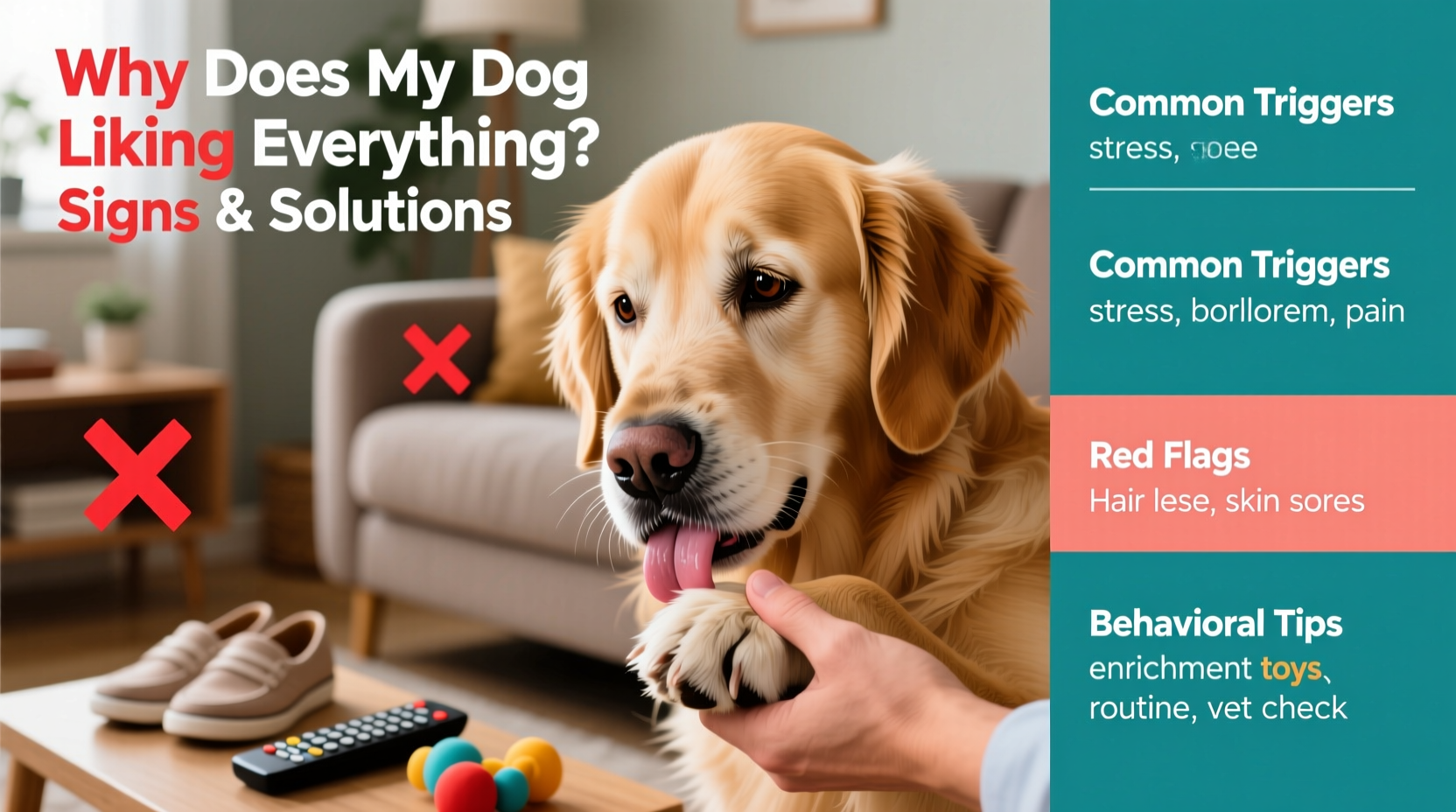
Compulsive behaviors in dogs resemble obsessive-compulsive disorder (OCD) in humans. These actions are repetitive, serve no functional purpose, and persist despite attempts to redirect them. Licking fits this pattern when it occurs out of context—for example, licking the carpet for 20 minutes straight or obsessively grooming one spot until fur is gone.
Veterinary behaviorists classify such licking as \"stereotypic behavior.\" It often begins as a response to stress, anxiety, or discomfort but can become ingrained over time. The act of licking releases endorphins, creating a calming effect that reinforces the behavior. This self-soothing mechanism explains why dogs may return to licking even after the initial trigger has passed.
Common targets of obsessive licking include:
- Floors and carpets
- Walls or baseboards
- Paws or limbs
- Air or imaginary spots
- Furniture or household objects
While some breeds—like Labrador Retrievers, Golden Retrievers, and Doberman Pinschers—are more prone to compulsive behaviors, any dog can develop obsessive licking under the right conditions.
Medical Causes Behind Excessive Licking
Before assuming behavioral causes, rule out medical issues. Chronic licking is often a symptom of pain, illness, or neurological dysfunction. A veterinarian should conduct a thorough examination to identify or eliminate these potential root causes.
Gastrointestinal Distress
One of the most overlooked reasons for floor or air licking is nausea or gastrointestinal discomfort. Dogs may lick surfaces to stimulate saliva production, which contains alkaline compounds that soothe an upset stomach. If your dog frequently licks the floor before vomiting or shows other digestive signs—drooling, lip-licking, loss of appetite—it could point to gastritis, inflammatory bowel disease, or even pancreatitis.
Tip: Monitor your dog’s licking in relation to meal times. If it happens mostly at night or early morning, GI issues are more likely.Skin Conditions and Allergies
Localized licking, especially on paws or flanks, often stems from allergies (food, environmental, or flea-related) or skin infections. Yeast or bacterial dermatitis causes intense itching, prompting dogs to lick relentlessly. Over time, this leads to “hot spots”—moist, inflamed sores that worsen without treatment.
Dental Pain or Oral Disease
Mouth pain can cause excessive drooling and surface licking. Dogs with tooth decay, gum disease, or oral tumors may lick walls or floors as a response to discomfort. Check for bad breath, difficulty eating, or pawing at the mouth.
Neurological Disorders
In rare cases, obsessive licking is linked to seizures, brain tumors, or cognitive dysfunction. Focal seizures, for instance, may manifest only as repetitive licking without full-body convulsions. Older dogs showing sudden onset of air licking or disorientation should be evaluated for neurological causes.
“Persistent licking, especially if rhythmic and trance-like, can be a sign of partial seizures. We’ve diagnosed several dogs with epilepsy after owners reported ‘just licking the couch.’” — Dr. Laura Bennett, DVM, Veterinary Neurologist
Behavioral and Psychological Triggers
When medical causes are ruled out, behavioral factors come into play. Dogs are sensitive creatures, and changes in routine, environment, or social dynamics can lead to anxiety-driven behaviors.
Anxiety and Stress
Dogs experiencing separation anxiety, noise phobias (e.g., thunderstorms, fireworks), or changes in household structure may resort to licking as a coping mechanism. The behavior provides temporary relief through endorphin release, reinforcing the cycle.
Signs that licking is anxiety-related include:
- Licking increases during storms or when left alone
- Dog appears tense or hyper-vigilant
- Other stress signals like pacing, panting, or hiding
Boredom and Lack of Stimulation
Dogs with insufficient mental or physical exercise may develop compulsive habits out of sheer boredom. Without outlets for natural behaviors like sniffing, exploring, or problem-solving, they invent repetitive actions to occupy themselves.
Learned Behavior
Sometimes, licking starts accidentally and gets reinforced. For example, if a dog licks the floor and receives attention—even scolding—they may repeat the behavior to gain interaction. Over time, it becomes habitual.
Step-by-Step Guide to Addressing Obsessive Licking
Resolving compulsive licking requires a structured approach. Follow this timeline to identify and treat the cause effectively.
- Week 1: Observe and Document
Track when, where, and how often your dog licks. Note triggers (e.g., after meals, during storms, at night). Record duration and body language. This log helps vets differentiate medical vs. behavioral causes. - Week 2: Schedule a Veterinary Exam
Visit your vet for blood work, fecal tests, dental check, and possibly abdominal ultrasound. Discuss all observed patterns. Request evaluation for GI issues, allergies, or neurological concerns. - Week 3: Implement Environmental Enrichment
If medical causes are ruled out, increase daily stimulation. Add puzzle feeders, scent games, and longer walks. Rotate toys to maintain novelty. Mental fatigue reduces compulsive tendencies. - Week 4: Begin Behavior Modification
Use positive reinforcement to redirect licking. When your dog starts licking, calmly offer a chew toy or initiate a training session. Reward alternative behaviors consistently. - Ongoing: Consult a Veterinary Behaviorist if Needed
If progress stalls, seek a specialist. They may recommend anti-anxiety medications (e.g., fluoxetine) combined with behavior therapy for severe cases.
Do’s and Don’ts: Managing Obsessive Licking
| Do’s | Don’ts |
|---|---|
| ✔ Keep a detailed licking diary | ✖ Ignore persistent licking |
| ✔ Provide daily mental challenges (e.g., snuffle mats) | ✖ Scold or punish your dog for licking |
| ✔ Use bitter sprays on frequently licked surfaces | ✖ Allow unrestricted access to areas where licking occurs |
| ✔ Maintain a consistent daily routine | ✖ Give attention during licking episodes |
| ✔ Try anxiety-reducing tools (Thundershirt, calming music) | ✖ Assume it’s “just a phase” without investigation |
Real-Life Example: Max the Labrador’s Recovery
Max, a 4-year-old yellow Labrador, began licking the kitchen floor for hours each night. His owner initially thought he was hungry, but feeding him didn’t stop the behavior. After a veterinary workup, blood tests revealed elevated liver enzymes and low albumin, pointing to protein-losing enteropathy—a chronic digestive condition.
Once treated with a prescription diet and anti-nausea medication, Max’s licking decreased by 80% within three weeks. His owner also introduced evening scent games to keep him engaged. Within two months, the behavior stopped entirely. This case highlights how a medical issue can masquerade as a behavioral problem.
Checklist: What to Do If Your Dog Licks Obsessively
- ✅ Rule out medical causes with a vet visit
- ✅ Keep a 7-day licking log (time, duration, triggers)
- ✅ Check for skin irritation or dental pain
- ✅ Increase daily mental stimulation (puzzles, training)
- ✅ Establish a predictable routine to reduce anxiety
- ✅ Use positive redirection with toys or commands
- ✅ Limit access to favorite licking spots (e.g., block off carpeted area)
- ✅ Consider a veterinary behaviorist for persistent cases
Frequently Asked Questions
Is it normal for dogs to lick the floor occasionally?
Yes, occasional floor licking—especially after spills or meals—is normal. Dogs have strong senses of taste and smell and may investigate residues. However, prolonged or frequent licking (more than a few minutes several times a day) warrants investigation.
Can diet affect obsessive licking?
Absolutely. Food allergies or sensitivities can cause gastrointestinal upset or skin irritation, both of which may lead to licking. Some dogs react poorly to grains, fillers, or artificial additives. A limited-ingredient or hypoallergenic diet trial, supervised by a vet, can help determine if food is a factor.
Should I stop my dog from licking immediately?
Interrupting the behavior gently is fine, but punishment isn’t effective. Instead, redirect your dog to a positive activity like chewing a toy or playing fetch. The goal is to replace the habit with healthier alternatives, not suppress it through fear.
Conclusion: Taking Action for Your Dog’s Health
Obsessive licking is more than a nuisance—it’s a communication tool your dog uses to signal something is wrong. Whether the cause is physical pain, digestive trouble, or emotional stress, ignoring it can lead to worsening symptoms and reduced quality of life. By taking a systematic approach—starting with veterinary care, followed by environmental and behavioral adjustments—you can address the root cause and restore balance.
💬 Your dog’s behavior matters. If you’ve noticed obsessive licking, don’t wait. Share your experience, consult your vet, and take the first step toward a healthier, happier pet today.








