Dogs eating grass is one of the most common behaviors pet owners observe—often with confusion or mild alarm. Whether your dog nibbles gently on lawn blades during a walk or gulps down handfuls like a grazing cow, this behavior is widespread across breeds, ages, and sizes. While in most cases, occasional grass consumption is completely normal, there are moments when it may point to an underlying health issue. Understanding the reasons behind this habit and recognizing when it crosses into problematic territory can help you ensure your dog stays healthy and safe.
Common Reasons Dogs Eat Grass
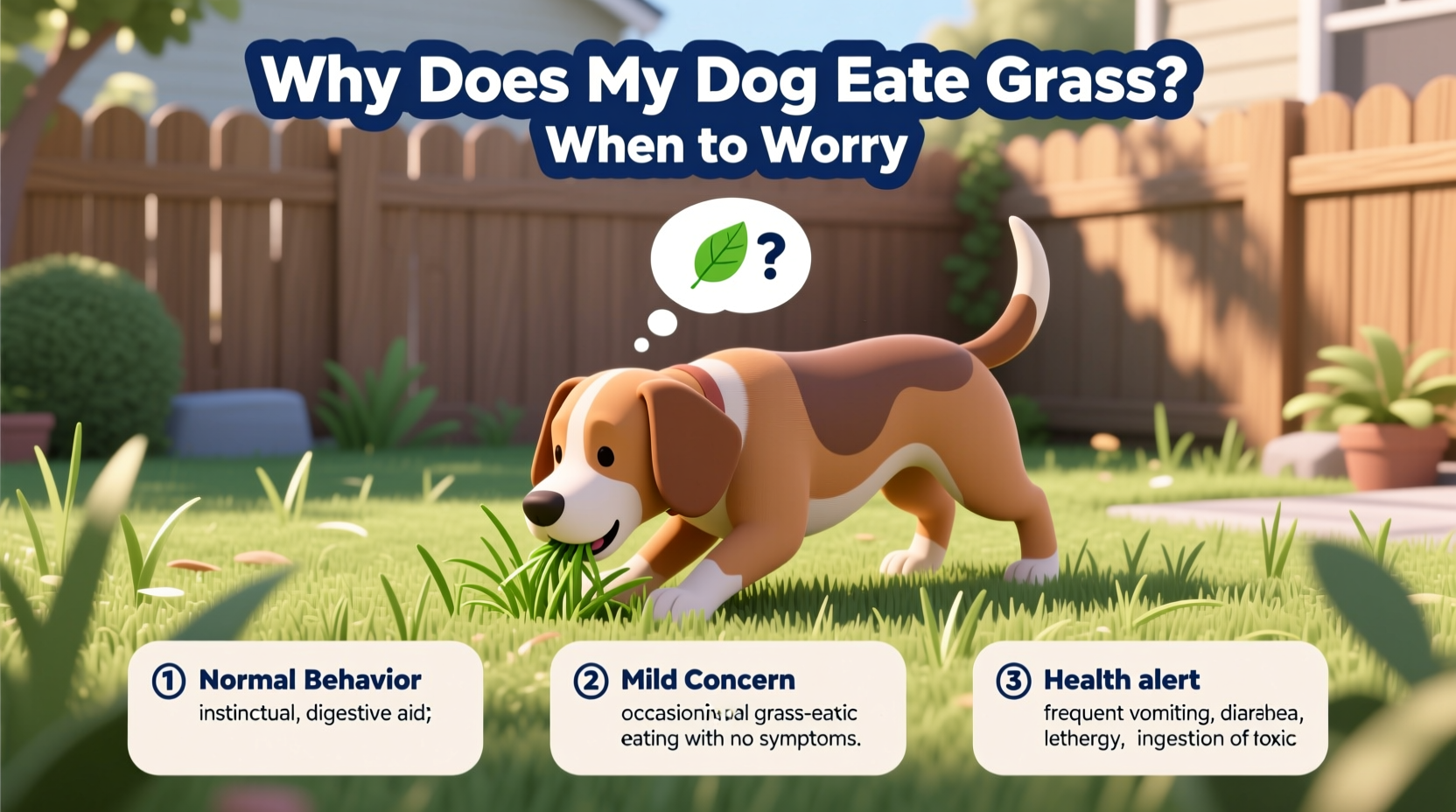
Despite decades of research and veterinary observation, no single explanation fully accounts for why dogs eat grass. Instead, multiple factors—ranging from instinctual drives to dietary needs—likely contribute. Below are the most widely accepted reasons behind this behavior.
- Natural Instinct: As descendants of omnivorous ancestors, dogs retain some scavenging tendencies. In the wild, canines often consume plant material found in the stomachs of prey or directly from the environment. This evolutionary trait may explain why domesticated dogs still seek out grass.
- Dietary Supplement: Some experts believe dogs may eat grass to compensate for missing nutrients, particularly fiber. If a dog’s regular diet lacks sufficient roughage, they might turn to grass as a natural digestive aid.
- Boredom or Anxiety: Behavioral triggers such as boredom, stress, or separation anxiety can lead dogs to engage in repetitive actions—including grass eating. This is especially true in environments with limited stimulation or high household tension.
- Enjoyment: For many dogs, grass simply tastes good. Fresh, tender shoots in spring or summer can be appealing, much like humans enjoy crisp vegetables.
- Digestive Aid: Contrary to popular belief, only a small percentage of dogs vomit after eating grass. However, some may use it intentionally to induce vomiting if they feel unwell, while others may chew it to soothe an upset stomach through increased saliva production.
When Grass Eating Becomes a Health Concern
While grass eating is typically benign, certain patterns or accompanying symptoms should prompt closer attention. Not every instance requires a vet visit, but knowing the warning signs helps distinguish between normal behavior and potential illness.
The key lies in frequency, context, and associated behaviors. A dog that occasionally grazes during walks is likely just exploring its environment. But if your dog suddenly begins obsessively consuming large amounts of grass—especially if they’re trying to vomit or appear distressed—it may signal gastrointestinal distress, parasites, or another medical condition.
“Grass eating alone isn’t alarming, but when paired with lethargy, diarrhea, or weight loss, it becomes part of a larger clinical picture we need to evaluate.” — Dr. Laura Simmons, DVM, Small Animal Internal Medicine Specialist
Red Flags That Warrant Veterinary Attention
Monitor your dog closely and consider scheduling a check-up if you notice any of the following:
- Eating grass excessively or compulsively (multiple times daily)
- Attempting to vomit without success, or frequent vomiting after grass consumption
- Signs of abdominal pain (whining, bloating, reluctance to move)
- Diarrhea, constipation, or blood in stool
- Sudden changes in appetite or energy levels
- Eating non-edible plants or toxic weeds along with grass
Environmental and Safety Risks
Even if your dog’s motivation for eating grass is harmless, the environment where they graze can pose serious dangers. Urban lawns, public parks, and even backyard gardens may contain substances toxic to dogs.
| Hazard | Description | Safe Alternative |
|---|---|---|
| Pesticides & Herbicides | Chemicals used to kill weeds or insects can cause poisoning, leading to vomiting, seizures, or organ damage. | Use pet-safe lawn treatments or designate a chemical-free zone for your dog. |
| Fertilizers | Many contain nitrogen, iron, or bone meal, which can irritate the GI tract or cause pancreatitis. | Wait at least 48 hours after application before allowing access. |
| Toxic Plants | Weeds like foxtails, buttercups, or daffodils mixed in grass can be poisonous. | Regularly inspect and remove harmful plants from your yard. |
| Fecal Contamination | Grass in public areas may harbor parasites like roundworms or giardia from other animals’ waste. | Discourage grazing in dog parks or heavily trafficked areas. |
Case Study: Max, the Labrador with Sudden Grass Cravings
Max, a 4-year-old yellow Labrador, had always shown mild interest in grass during walks. His owner, Sarah, never thought much of it—until Max began tearing up clumps of lawn each morning, sometimes retching afterward. Over two weeks, he became increasingly lethargic and lost interest in meals.
Concerned, Sarah brought Max to her veterinarian. Blood work revealed elevated liver enzymes, and a fecal exam detected hookworms. After deworming treatment and a short course of liver-supportive medication, Max’s grass-eating behavior decreased significantly. His appetite returned within days.
This case illustrates how a seemingly routine habit can mask parasitic infection or organ dysfunction. Early intervention prevented further complications and highlighted the importance of not dismissing behavioral changes—even ones as common as grass eating.
Step-by-Step Guide: Assessing and Managing Your Dog’s Grass-Eating Behavior
If you're unsure whether your dog’s grass consumption is normal or concerning, follow this practical evaluation process:
- Observe Frequency and Manner: Note how often your dog eats grass and whether it's casual or frantic. Keep a log for 5–7 days.
- Check for Vomiting: Determine if grass consistently leads to vomiting. Occasional vomiting may not be serious; frequent episodes require investigation.
- Review Diet Quality: Consult your vet about whether your dog’s food provides adequate fiber and nutrients. Consider switching to a high-fiber or sensitive-stomach formula if needed.
- Inspect the Environment: Ensure your lawn and walking routes are free of chemicals and toxic plants.
- Rule Out Medical Causes: Schedule a wellness exam, including fecal testing and bloodwork, especially if behavior has changed suddenly.
- Address Behavioral Triggers: If no medical cause is found, assess for anxiety, boredom, or lack of mental stimulation. Increase playtime, introduce puzzle toys, or consult a trainer.
- Monitor Progress: Track changes over the next few weeks. Improvement suggests successful intervention; persistence warrants re-evaluation.
Prevention and Management Checklist
Use this checklist to minimize risks and support your dog’s well-being:
- ✅ Provide a balanced, fiber-rich diet approved by your veterinarian
- ✅ Avoid chemical treatments on lawns accessible to your dog
- ✅ Train your dog to respond to “leave it” or “drop it” commands
- ✅ Offer safe chew alternatives like dog-safe herbs (e.g., wheatgrass grown at home)
- ✅ Schedule annual vet exams and biannual fecal tests
- ✅ Increase mental and physical enrichment to reduce boredom-related behaviors
- ✅ Supervise outdoor time to prevent ingestion of contaminated grass
Frequently Asked Questions
Do dogs eat grass because they’re sick?
Not necessarily. While some dogs may eat grass to relieve nausea or induce vomiting, studies show fewer than 25% of dogs vomit after consuming grass. Most do so without any signs of illness. However, if your dog appears unwell before or after eating grass, it’s worth investigating further with your vet.
Can eating grass cause intestinal blockages?
Rarely. Grass itself is generally digestible and passes through the system without issue. However, ingesting large quantities of coarse, dry grass—or combining it with foreign objects like sticks or plastic—can increase the risk of impaction. Monitor your dog’s chewing habits and discourage overconsumption.
Is it safe to grow grass for my dog indoors?
Yes—and it can be a healthy alternative. Growing pet-safe wheatgrass or oat grass indoors allows controlled access without exposure to pesticides or parasites. Just ensure the container is out of reach of other pets that might knock it over, and avoid fertilizers unless labeled pet-safe.
Conclusion: Know Your Dog, Trust Your Instincts
Dogs eat grass for a variety of reasons, most of which are harmless and rooted in natural behavior. For the majority of pets, this habit requires no intervention beyond ensuring a safe environment and a nutritious diet. However, when grass consumption becomes obsessive, is accompanied by illness, or emerges suddenly in a previously disinterested dog, it deserves closer scrutiny.
As a pet owner, your awareness and proactive care make all the difference. You know your dog best—their routines, their quirks, and subtle shifts in behavior. Don’t hesitate to seek veterinary advice when something feels off. Early detection of underlying issues—from parasites to dietary deficiencies—can prevent more serious health problems down the line.
💬 Have questions about your dog’s grass-eating habits? Share your experience or ask for advice in the comments below—we’re here to help you keep your furry friend happy and healthy!








