Dogs eating grass is a common behavior observed by millions of pet owners worldwide. Whether your dog nibbles on lawn clippings during a walk or dives into the backyard greenery with enthusiasm, this habit often raises questions—and sometimes alarm. Is it normal? Could it signal illness? Should you stop them? While occasional grass consumption is typically harmless, understanding the underlying reasons and recognizing potential red flags can help ensure your dog’s long-term well-being.
Contrary to popular belief, dogs don’t always eat grass because they’re sick or about to vomit. In fact, research suggests that most dogs who graze on grass do so without any subsequent vomiting. This behavior spans breeds, ages, and dietary habits, indicating that grass-eating is more complex than a simple sign of digestive distress. To separate myth from science, it’s essential to explore both behavioral and physiological explanations—and know when veterinary attention may be necessary.
The Science Behind Canine Grass Consumption
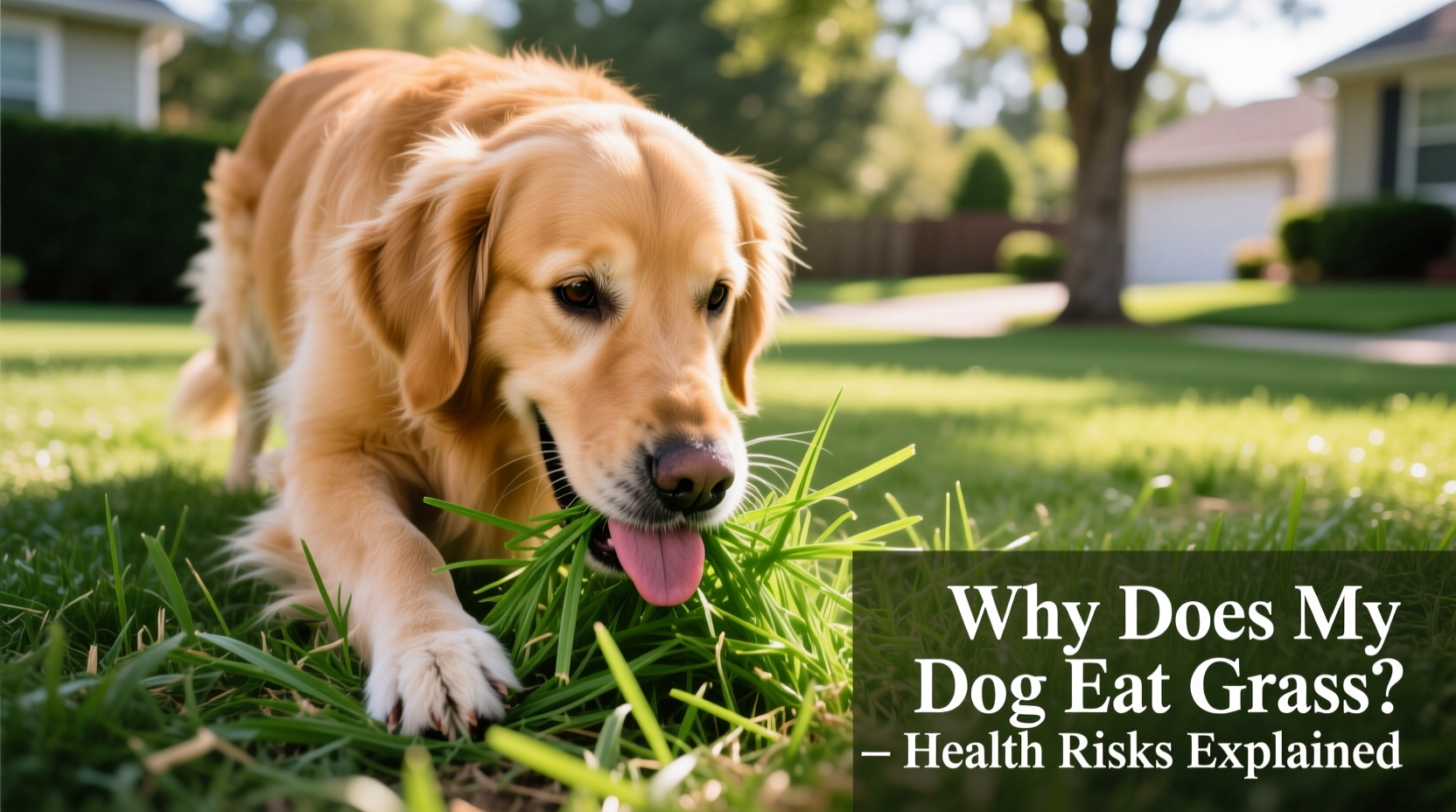
Grass-eating in dogs, known scientifically as *pica* when referring to non-food item ingestion, is not inherently pathological. A landmark study published in the journal *Applied Animal Behaviour Science* analyzed data from over 1,500 dog owners and found that 79% of dogs had been observed eating grass. Only 6% showed signs of illness beforehand, and just 22% vomited afterward. These findings challenge the widely held assumption that dogs eat grass primarily to induce vomiting.
Instead, researchers propose several plausible theories:
- Nutritional instinct: Dogs may seek out grass for its fiber content or trace nutrients such as folic acid, which plays a role in oxygen transport and cell function.
- Evolutionary carryover: As omnivores with carnivorous ancestry, modern dogs retain some foraging behaviors inherited from wild ancestors who consumed plant matter through the stomach contents of prey.
- Digestive aid: Some experts believe grass acts as a natural laxative or helps move indigestible materials (like fur or bone fragments) through the gastrointestinal tract.
- Boredom or anxiety: Behavioral triggers like stress, lack of stimulation, or compulsive tendencies may lead dogs to chew grass simply out of habit.
While no single explanation fits all cases, the diversity of motivations underscores that grass-eating is generally a normal part of canine behavior—unless accompanied by other concerning symptoms.
Tip: Observe your dog’s overall demeanor before and after eating grass. If they appear healthy, energetic, and show no signs of distress, occasional grazing is likely benign.When Grass-Eating Signals a Health Concern
Most dogs consume grass safely, but certain patterns or accompanying symptoms warrant closer inspection. The key lies in frequency, context, and physical response. Occasional nibbling is usually nothing to worry about; however, persistent or obsessive grass consumption—especially when paired with gastrointestinal issues—may point to an underlying medical condition.
Potential warning signs include:
- Frequent vomiting unrelated to grass ingestion
- Diarrhea or blood in stool
- Excessive drooling or lip-licking
- Sudden changes in appetite or weight loss
- Obsessive digging or chewing at grass
- Eating large quantities rapidly, followed by retching
In rare cases, compulsive grass-eating can be linked to gastrointestinal disorders such as inflammatory bowel disease (IBD), pancreatitis, or intestinal parasites. Nutritional deficiencies due to poor diet may also prompt dogs to seek alternative sources of roughage or micronutrients.
“While grass consumption is typically innocuous, sudden onset or escalation should prompt a veterinary evaluation—especially if the dog seems unwell.” — Dr. Laura Bennett, DVM, Small Animal Internist
Environmental Risks: What Lurks in the Lawn?
Even if your dog isn’t ill, the environment where they graze can pose serious health threats. Many residential lawns are treated with herbicides, pesticides, and fertilizers that can be toxic when ingested. Common chemicals like glyphosate, 2,4-D, and organophosphates have been associated with liver damage, neurological effects, and even cancer in animals.
Additionally, public parks or sidewalks may harbor contaminated grass exposed to urine from other animals, road runoff, or decomposing organic waste. Dogs that root through mulch or eat clumps of wet grass are particularly vulnerable to bacterial infections or parasitic infestations such as hookworms or giardia.
| Risk Factor | Potential Harm | Prevention Strategy |
|---|---|---|
| Chemical lawn treatments | Liver toxicity, seizures, vomiting | Avoid treated areas; use pet-safe alternatives |
| Fecal contamination | Parasites (roundworms, coccidia) | Pick up waste promptly; prevent access to unknown yards |
| Moldy grass or compost | Tremors, hyperthermia, death | Keep compost bins secured; remove decaying vegetation |
| Excessive fiber intake | Intestinal blockage (rare) | Monitor quantity; discourage bingeing |
Behavioral vs. Medical Causes: How to Tell the Difference
Distinguishing between instinctual grazing and symptom-driven consumption requires careful observation. Consider the following scenario:
Mini Case Study: Max, the Border Collie Mix
Max, a three-year-old Border Collie mix, began eating grass daily during morning walks. His owner initially dismissed it as curiosity, but soon noticed he was swallowing large mouthfuls quickly and appeared agitated. Within weeks, Max started vomiting yellow bile each morning before breakfast. Concerned, his owner brought him to the vet.
After ruling out parasites and performing blood work, the veterinarian diagnosed Max with bilious vomiting syndrome—a condition caused by prolonged fasting that leads to stomach irritation. The grass-eating was likely an attempt to soothe his empty, acidic stomach. Treatment involved splitting his meals into smaller, more frequent feedings. Within days, Max’s grass consumption decreased dramatically, and the vomiting ceased.
This case illustrates how seemingly odd behaviors can stem from treatable medical conditions. Conversely, a dog that casually grazes while sniffing flowers during a walk, shows no discomfort, and continues normal activity is probably engaging in instinctive foraging—not self-medicating.
Step-by-Step Guide to Assessing Your Dog’s Grass-Eating Behavior
- Observe frequency and context: Is the behavior occasional or constant? Does it happen during walks, at home, or only under certain conditions?
- Note physical reactions: Does your dog vomit afterward? If so, how often? What does the vomit contain?
- Check the environment: Are nearby lawns treated with chemicals? Has your dog accessed spoiled food or garbage?
- Review diet and routine: Is your dog on a balanced, high-quality food? Are meals spaced appropriately? Could boredom play a role?
- Consult your veterinarian: If changes in behavior, appetite, or digestion occur, schedule an exam. Bring notes on timing, frequency, and symptoms.
Practical Tips for Managing Grass Consumption
If your dog enjoys grass and shows no adverse effects, complete elimination of the behavior may not be necessary—or realistic. However, you can take proactive steps to minimize risks and support overall digestive health.
Tip: Introduce safe, indoor alternatives like wheatgrass or oat sprouts grown specifically for pets. These provide similar texture and fiber without exposure to outdoor hazards.Dietary Adjustments That May Help
Some dogs turn to grass because their current diet lacks sufficient fiber or variety. Consult your vet before making changes, but consider the following options:
- Switching to a higher-fiber commercial food formulated for sensitive digestion
- Adding pumpkin puree (not pie filling) or cooked sweet potato to meals for natural fiber
- Incorporating probiotics designed for dogs to support gut microbiome balance
Never add supplements or make major dietary shifts without professional guidance, especially if your dog has preexisting conditions.
Behavioral Enrichment Strategies
For dogs who eat grass out of boredom or anxiety, mental stimulation can reduce the urge. Effective enrichment includes:
- Daily puzzle toys filled with treats or kibble
- Training sessions using positive reinforcement
- Controlled off-leash play in secure areas
- Scent games or “find it” exercises in the yard
These activities satisfy natural instincts and redirect focus away from compulsive grazing.
Frequently Asked Questions
Is it normal for puppies to eat grass?
Yes, grass-eating is common in puppies as they explore their environment orally. As long as the grass is clean and free of chemicals, and the puppy remains active and healthy, occasional grazing is typically harmless. Monitor for parasites, as young dogs are more susceptible.
Can eating grass cause intestinal blockages?
It’s extremely rare, but possible if a dog consumes excessive amounts of coarse, dry grass. Symptoms of obstruction include persistent vomiting, abdominal pain, lethargy, and inability to defecate. Seek immediate veterinary care if these occur.
Should I stop my dog from eating grass completely?
Not necessarily. If your dog is healthy and the grass is untreated, moderate consumption is likely safe. Focus instead on preventing access to chemically treated lawns, controlling portion size, and addressing any underlying medical or behavioral causes.
Action Plan Checklist for Pet Owners
- ✅ Observe your dog’s grass-eating habits for one week—note time, location, and reaction
- ✅ Inspect your yard and walking routes for pesticide use or contamination
- ✅ Review your dog’s current diet with your veterinarian
- ✅ Provide safe enrichment alternatives like chew toys or edible grass kits
- ✅ Schedule a wellness checkup if behavior changes suddenly or worsens
Conclusion: Balancing Instinct with Safety
Dogs eat grass for a variety of reasons—some rooted in biology, others in behavior or environment. For most healthy dogs, occasional grazing is a natural, low-risk activity that doesn’t require intervention. However, responsible pet ownership means staying alert to changes in pattern, context, or physical well-being.
By understanding the motivations behind this behavior and taking practical steps to mitigate environmental dangers, you can allow your dog to express natural instincts safely. When in doubt, consult your veterinarian. Early detection of medical issues can prevent complications and improve quality of life.
🚀 Take action today: Start a simple log of your dog’s grass-eating episodes and share it with your vet at the next visit. Small observations can lead to big insights about your pet’s health.








