Dogs bark for many reasons, but when your dog consistently barks at specific individuals—such as men, children, or strangers—it can be confusing and even embarrassing. While some may assume the dog is aggressive, the behavior often stems from deeper causes rooted in genetics, early experiences, or emotional states like fear or overstimulation. Understanding whether your dog’s reactivity comes from inherent breed tendencies or fear-based responses is essential for addressing the issue effectively and humanely.
This article breaks down the science behind selective barking, examines how breed traits influence behavior, explores the role of fear and socialization, and provides practical steps you can take to help your dog feel more secure around unfamiliar people.
Breed Tendencies: The Genetic Blueprint of Barking Behavior
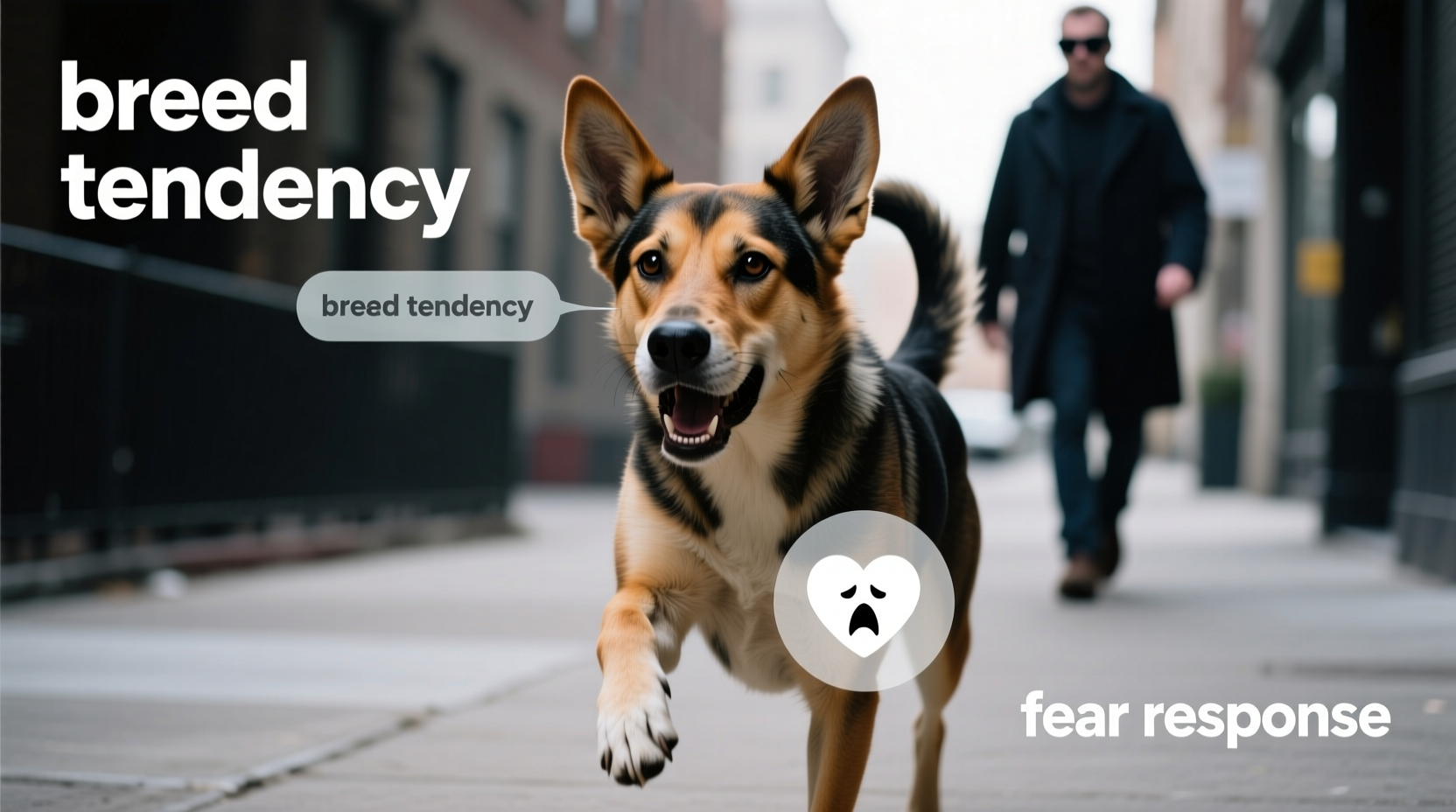
Some dogs are simply wired to be more vocal. Selective breeding over centuries has shaped not only a dog’s appearance but also its temperament and communication style. Breeds developed for guarding, herding, or alerting tend to be more vigilant and responsive to environmental stimuli—including people they perceive as unusual or threatening.
For example, German Shepherds and Rottweilers were bred to protect property and family, making them naturally suspicious of strangers. Similarly, herding breeds like Border Collies or Australian Shepherds are highly attuned to movement and changes in their environment, which can trigger alert barking when new people approach.
Terriers, originally used to hunt vermin, often exhibit high arousal levels and persistent vocalizations. Meanwhile, small companion breeds like Chihuahuas or Pomeranians may bark excessively due to a combination of territorial instincts and heightened sensitivity to novelty.
Tip: If your dog belongs to a breed known for vigilance or protectiveness, don’t expect complete silence around strangers. Instead, focus on teaching appropriate responses through training and exposure.Common Breeds Prone to Reactive Barking and Why
| Breed | Original Purpose | Typical Trigger | Behavioral Trait |
|---|---|---|---|
| German Shepherd | Guarding, police work | Unfamiliar adults, sudden movements | Vigilant, protective |
| Beagle | Hunting (scent hounds) | New scents, people entering yard | Vocal, persistent barker |
| Chihuahua | Companion | Large people, loud voices | Defensive, reactive |
| Border Collie | Herding livestock | Running children, fast motion | Highly alert, intense focus |
| Siberian Husky | Pulling sleds in teams | Strangers approaching home | Vocal, communicative |
It’s important to recognize that breed predispositions aren’t excuses for problematic behavior—they’re explanations. A dog’s genetic background sets the stage, but environment and experience direct the performance.
Fear and Lack of Socialization: The Emotional Roots of Barking
While breed plays a role, fear is one of the most common underlying causes of selective barking. A dog that barks intensely at men with hats, people using canes, or children laughing may not be aggressive; it may be scared. Fear-based barking is often mistaken for dominance or hostility, but it’s actually a defensive mechanism.
Dogs use barking to create distance from something they perceive as threatening. This is known as “distance-increasing” behavior. When a person walks away after being barked at, the dog learns that barking works—and the behavior becomes reinforced.
Lack of proper socialization during the critical developmental window (between 3 and 14 weeks of age) is a major contributor to fear-based reactivity. Puppies who weren’t exposed to diverse people, clothing styles, or environments may grow up reacting strongly to anything outside their narrow experience.
“Many dogs labeled as ‘aggressive’ are actually experiencing significant anxiety. Their bark is a plea for space, not an act of defiance.” — Dr. Karen Overall, Veterinary Behaviorist
Signs Your Dog Is Barking Out of Fear (Not Dominance)
- Tail tucked between legs while barking
- Ears pinned back
- Avoiding eye contact or turning head away
- Backing up or attempting to hide
- Whale eye (showing whites of eyes)
- Freezing before escalating to barking
If your dog displays these signs, punishment or suppression of barking will only increase anxiety. The goal should be building confidence, not silencing the dog.
Differentiating Breed Traits from Fear: A Practical Guide
Telling the difference between instinctual vigilance and fear-driven reactivity is crucial for choosing the right intervention. Here’s how to assess what’s really going on:
- Observe body language: A confident, alert dog stands tall with forward ears and a neutral tail. A fearful dog crouches, avoids direct gaze, and may tremble.
- Note consistency: Does your dog bark at all strangers (common in guardian breeds), or only at specific types (e.g., men with deep voices, people wearing sunglasses)? Specificity suggests fear or past negative associations.
- Check responsiveness: Can your dog take treats or follow cues around the trigger? If yes, arousal is likely manageable. If not, stress levels are too high for learning.
- Review history: Was your dog adopted from a shelter with unknown background? Did they experience trauma or limited exposure as a puppy?
- Test context: Does barking happen only behind barriers (fence, window)? Barrier frustration often mimics fear but stems from overarousal and inability to interact.
Step-by-Step: Helping Your Dog Feel Safer Around People
Whether the cause is breed-related alertness or fear, you can improve your dog’s response through structured, positive reinforcement-based methods. Never force interactions or use aversive tools like shock collars, as these damage trust and worsen anxiety.
Phase 1: Manage the Environment
Prevent rehearsal of unwanted behavior. Use curtains, baby gates, or leashed walks at quieter times to reduce exposure to triggers until training begins.
Phase 2: Identify Threshold Distance
Find the distance at which your dog notices the trigger but doesn’t react (no barking, lunging, or freezing). This is the starting point for training.
Phase 3: Begin Counter-Conditioning & Desensitization (CC/DS)
The goal is to change your dog’s emotional response to the trigger—from fear or suspicion to neutrality or even positivity.
- At threshold distance, present the trigger (e.g., a friend walking by).
- As soon as your dog sees the person, begin feeding high-value treats (chicken, cheese) continuously.
- Stop treats when the person is out of sight.
- Repeat daily, gradually decreasing distance as your dog remains calm.
This process, known as the \"Look at That\" (LAT) game, builds positive associations without pressure.
Phase 4: Add a Positive Interrupter
Teach an alternative behavior like “watch me” or “touch” so your dog can choose to engage with you instead of fixating on the trigger.
Phase 5: Gradual Exposure with Real People
Work with volunteers who can follow instructions. Start with low-intensity versions (e.g., someone standing still, then slowly walking, then speaking softly). Reward your dog for calm behavior.
Progress takes time—weeks or months—but consistency yields lasting results.
Mini Case Study: Max, the Fearful Chihuahua
Max, a 3-year-old Chihuahua, barked wildly at any man wearing a hat. His owner, Sarah, assumed he was just “feisty,” a common stereotype for small dogs. But Max would tremble after barking fits and refused treats when delivery drivers approached.
A certified trainer observed Max and noted his pinned ears and tucked tail—clear signs of fear. It turned out Max had been rescued from a home where a man in a baseball cap yelled frequently.
Sarah began counter-conditioning using a friend who wore a hat. At first, the friend stood 50 feet away while Sarah fed Max boiled chicken. Over six weeks, the distance closed gradually. Max started looking at the hat-wearer, then at Sarah, expecting food. Eventually, he remained calm when the man walked nearby.
The transformation wasn’t overnight, but Max now tolerates hat-wearing visitors with only mild alertness—far from the panic-induced barking of before.
Checklist: Addressing Selective Barking in 7 Actions
- ✅ Assess your dog’s body language during barking episodes
- ✅ Rule out medical issues (e.g., pain, hearing loss) with a vet visit
- ✅ Limit uncontrolled exposure to triggering people
- ✅ Start a counter-conditioning program using high-value treats
- ✅ Train a reliable attention cue (“look” or “focus”)
- ✅ Work with a certified force-free trainer if progress stalls
- ✅ Track improvements weekly with notes or videos
FAQ: Common Questions About Dogs Barking at Certain People
Can a dog’s breed make it impossible to stop barking at strangers?
No. While some breeds are more prone to alert barking, all dogs can learn better coping mechanisms with proper training. The goal isn’t to eliminate barking entirely but to manage it appropriately.
Is my dog aggressive if they bark at kids or tall men?
Not necessarily. Aggression involves intent to harm. Barking is often a warning or expression of discomfort. Many dogs who bark at children do so because kids move unpredictably or scream—traits that scare dogs, not provoke them.
Should I punish my dog for barking at people?
No. Punishment suppresses the signal but doesn’t address the cause. It can increase fear and lead to biting without warning. Focus on changing how your dog feels, not just what they do.
Conclusion: Building Confidence, One Step at a Time
Understanding why your dog barks at certain people requires looking beyond surface behavior. Breed tendencies explain why some dogs are naturally watchful, while fear and poor socialization reveal emotional vulnerabilities beneath reactive barking. The key is not to label your dog as “bad” or “overprotective,” but to listen to what their barking is trying to say.
With patience, structure, and compassion, most dogs can learn to feel safer in the world. You don’t need perfection—just progress. Celebrate small wins: a glance away from a stranger, a relaxed posture, a willingness to take a treat near a trigger. These moments build the foundation of confidence.
💬 Your dog’s journey is unique. Have you noticed patterns in who your dog reacts to? Share your experience or questions in the comments—let’s support each other in raising calmer, happier companions.








