It’s a scene many cat owners have witnessed: your feline companion sits perfectly still, eyes locked on a blank stretch of wall, unblinking and seemingly entranced. There’s no sound, no movement—just silence and focus. While occasional odd behavior is normal in cats, a sudden change like persistent wall-staring can be unsettling. It raises questions about your cat’s health, environment, and emotional state. Understanding why this happens requires looking beyond quirks and into potential medical, neurological, or psychological causes.
Cats are masters of subtlety. They communicate through body language, routine, and small shifts in behavior. When those patterns break—especially with something as disconcerting as staring at nothing—attention is warranted. This article explores the possible reasons behind this behavior, how to differentiate between harmless habits and serious concerns, and what steps you should take to ensure your cat’s well-being.
Understanding Feline Behavior: The Mind Behind the Stare
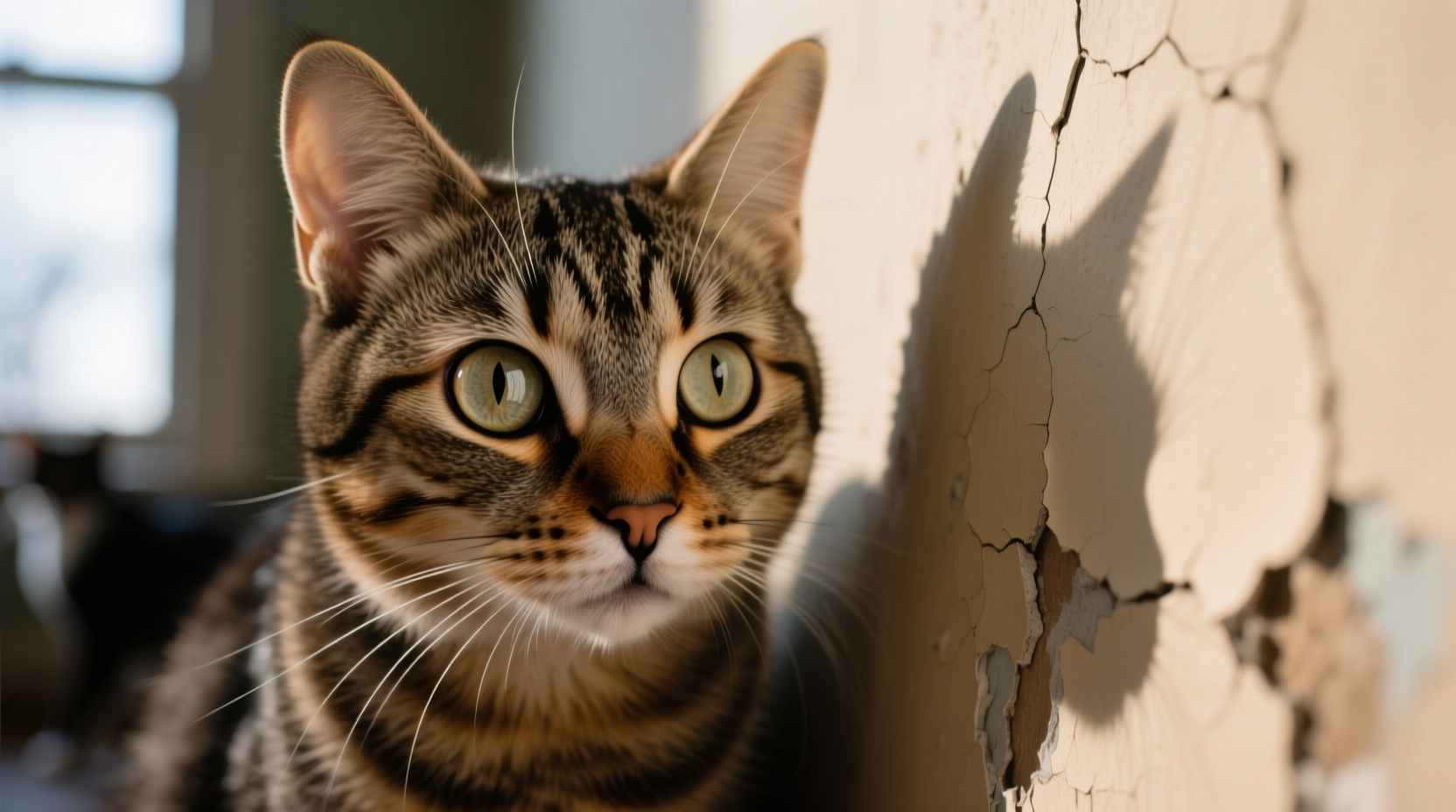
Cats are predators by nature. Their brains are wired for vigilance, tracking subtle movements, sounds, and environmental cues. What appears to be vacant wall-gazing might actually be an intense focus on something imperceptible to humans—a shadow, a draft, or even tiny insects moving behind baseboards. In some cases, your cat may be reacting to high-frequency sounds from appliances or electrical wiring that only animals can hear.
However, when this behavior emerges suddenly and persists, it often signals a shift. A cat that previously showed no such tendencies but now spends minutes each day fixated on a corner may be experiencing discomfort, confusion, or neurological disruption. The key lies in context: frequency, duration, accompanying symptoms, and recent changes in the household.
Tip: Observe your cat’s wall-staring episodes in detail—note time of day, duration, body posture, and whether they respond when called.Medical Causes Behind the Blank Gaze
Sustained staring at walls isn’t typically a behavioral choice; more often, it's a symptom. Several medical conditions can lead to altered awareness, hallucinations, or cognitive dysfunction in cats.
Epilepsy and Seizure Activity
Focal (partial) seizures in cats may not involve convulsions. Instead, they manifest as “absence” episodes where the cat freezes, stares vacantly, drools, or makes chewing motions. These episodes can last seconds to minutes and may go unnoticed unless closely observed. Post-seizure, cats often seem disoriented or drowsy.
Vision or Hearing Impairment
As cats age, sensory decline is common. A cat losing vision may appear to stare into space because their visual field is diminishing. Similarly, hearing loss can make them seem detached, responding less to stimuli and focusing on static areas out of confusion or habit.
Hypertension and Vision Changes
High blood pressure in cats—often secondary to kidney disease, hyperthyroidism, or diabetes—can cause sudden blindness due to retinal detachment. A cat that has gone blind overnight may stand close to walls, stare without blinking, and exhibit aimless wandering.
Cognitive Dysfunction Syndrome (CDS)
Similar to dementia in humans, Cognitive Dysfunction Syndrome affects older cats (typically over 10 years). Symptoms include disorientation, altered sleep cycles, decreased grooming, and repetitive behaviors like prolonged staring. CDS disrupts how the brain processes sensory input, leading to fixation on empty spaces.
“Persistent staring episodes in senior cats should never be dismissed as ‘just getting old.’ Many underlying causes are treatable if caught early.” — Dr. Lena Torres, Veterinary Neurologist, Cornell Feline Health Center
Psychological and Environmental Triggers
Not all staring stems from illness. Stress, anxiety, or environmental shifts can trigger unusual behaviors in sensitive cats.
Stress and Anxiety
Cats thrive on routine. Major changes—new pets, moving homes, loud noises, or even rearranged furniture—can overwhelm them. Staring may be a displacement behavior: a way to cope with internal tension when flight or fight isn’t an option.
Boredom and Lack of Stimulation
An under-stimulated cat may develop obsessive habits. If toys, climbing structures, or interaction are lacking, they might fixate on minor environmental details simply because there’s nothing else to engage with.
Trauma or Past Neglect
Cats from shelters or abusive backgrounds sometimes display repetitive behaviors rooted in past trauma. Wall-staring could be part of a larger pattern of dissociation or hypervigilance.
| Potential Cause | Signs to Watch For | Action Step |
|---|---|---|
| Seizures | Drooling, twitching, unresponsiveness, post-event fatigue | Video the episode; schedule vet visit |
| Vision Loss | Bumping into objects, dilated pupils, reluctance to jump | Ophthalmic exam + blood pressure check |
| Cognitive Decline | Night vocalization, litter box accidents, confusion | Veterinary assessment + environmental enrichment |
| Stress/Anxiety | Overgrooming, hiding, appetite changes | Identify triggers; use pheromone diffusers |
| Boredom | Excessive sleeping, destructive scratching, attention-seeking | Increase playtime and mental stimulation |
When to Worry: Red Flags and Warning Signs
Occasional odd behavior doesn’t necessarily mean trouble. But certain red flags demand prompt veterinary evaluation:
- Repetitive, prolonged staring lasting more than a few minutes multiple times a day
- Unresponsiveness when called or touched during the episode
- Accompanying physical symptoms like drooling, trembling, falling, or involuntary eye movements
- Behavioral regression such as forgetting litter box training or avoiding family members
- Sudden onset after a known stressor or illness
Mini Case Study: Bella, the 12-Year-Old Tabby
Bella had always been a calm indoor cat. Her owner noticed she began standing motionless near the living room wall every evening, her head tilted slightly, eyes wide. At first, it seemed quirky. But within weeks, Bella started missing her food bowl, bumping into doorframes, and crying at night. Concerned, her owner brought her to the vet with a video of one of the staring episodes.
Bloodwork revealed severe hypertension and elevated thyroid levels. An eye exam confirmed partial retinal detachment. With medication for hyperthyroidism and blood pressure control, Bella’s disorientation improved significantly. Though she didn’t regain full vision, her staring episodes ceased, and her quality of life returned.
This case illustrates how a seemingly odd behavior can mask a treatable medical condition—especially in senior cats.
Step-by-Step Guide: What to Do If Your Cat Starts Staring Suddenly
- Observe and Document: Track when the behavior occurs, how long it lasts, and any associated actions (e.g., vocalizing, drooling).
- Record a Video: Capture a clear clip of the episode to show your veterinarian.
- Check for Other Symptoms: Look for changes in appetite, thirst, litter box use, mobility, or interaction.
- Schedule a Veterinary Exam: Include bloodwork, urinalysis, blood pressure measurement, and a neurological evaluation.
- Follow Diagnostic Recommendations: Depending on initial findings, your vet may suggest advanced imaging (MRI) or referral to a neurologist.
- Modify the Environment: Reduce stressors, maintain routine, and provide safe spaces if your cat is disoriented.
- Monitor Progress: Keep notes after treatment begins to evaluate effectiveness.
Prevention and Long-Term Care Strategies
While not all causes of wall-staring are preventable, proactive care reduces risk and improves outcomes.
Nutrition and Routine Checkups
Feed a balanced diet appropriate for your cat’s age and health status. Annual (or biannual for seniors) wellness exams help catch issues like kidney disease or hyperthyroidism before they escalate.
Mental and Physical Enrichment
Engage your cat daily with interactive toys, puzzle feeders, and climbing opportunities. Even 10–15 minutes of focused play can reduce stress and prevent boredom-related behaviors.
Home Environment Adjustments
For aging or visually impaired cats, keep furniture layouts consistent, use textured rugs near stairs, and avoid sudden loud noises. Consider using Feliway diffusers to promote calmness in anxious pets.
Frequently Asked Questions
Is it normal for cats to stare at walls occasionally?
Yes, brief moments of apparent fixation—especially if followed by normal behavior—are usually harmless. Cats notice subtle stimuli we don’t. However, frequent or prolonged episodes warrant investigation.
Can cats hallucinate?
Yes. Neurological disorders, metabolic imbalances, or toxin exposure can cause perceptual disturbances. Cats may react to unseen flies, shadows, or sounds, appearing to chase nothing or hiss at empty corners.
Should I interrupt my cat when they’re staring at the wall?
If the episode seems mild and the cat responds normally when called, gentle redirection is fine. But during suspected seizures or dissociative states, avoid touching them until they return to awareness to prevent injury or fear-based reactions.
Conclusion: Trust Your Instincts and Take Action
Your cat’s sudden habit of staring at the wall may seem mysterious, even amusing at first. But when paired with other behavioral shifts, it can be a quiet cry for help. Unlike dogs, cats rarely show obvious signs of pain or illness. Subtle cues like prolonged stillness, altered routines, or vacant gazes are often the earliest warnings.
Don’t dismiss these changes as quirks of personality. Early intervention can mean the difference between managing a chronic condition and facing irreversible damage. Whether the cause is medical, neurological, or emotional, your attentive care sets the foundation for diagnosis and recovery.
💬 Has your cat exhibited sudden staring or other puzzling behaviors? Share your experience below—your story might help another pet owner recognize a critical sign sooner.








