Cats are creatures of habit, often choosing cozy corners, sunlit spots, or quiet shelves for their naps. So when a cat begins sleeping in the litter box—instead of its plush bed or favorite armchair—it raises concern. This behavior is not normal and typically signals an underlying issue, whether medical, emotional, or environmental. While occasional curiosity around the litter box may be harmless, consistent sleeping there demands attention. Understanding the reasons behind this shift in behavior is essential to restoring your cat’s well-being and determining if veterinary intervention is necessary.
Common Reasons Cats Sleep in the Litter Box
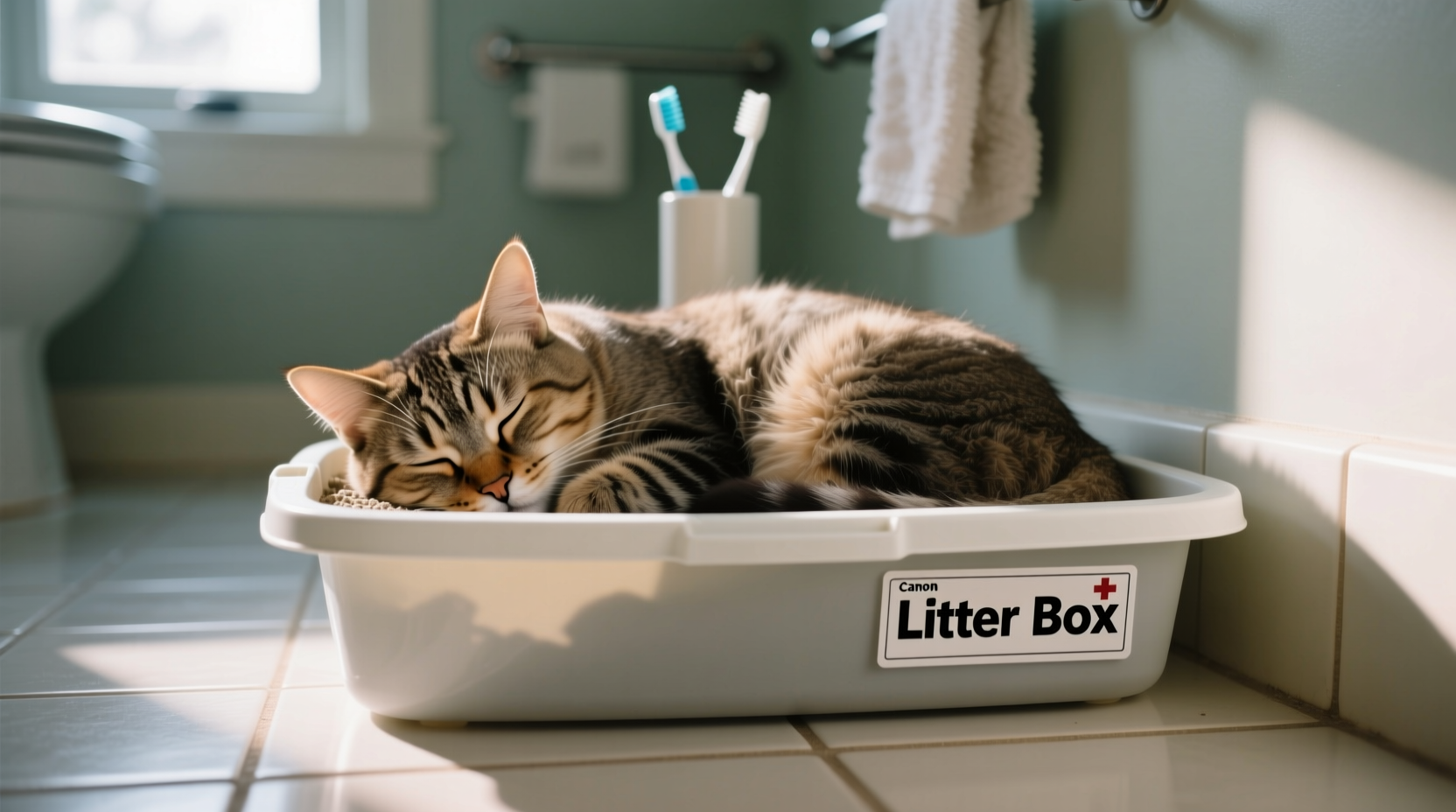
Cats don’t choose the litter box as a resting place without cause. The litter box is associated with elimination, not comfort. When a cat defies this instinct, it usually means something is off. Below are the most frequent explanations:
- Pain or discomfort during urination/defecation: If your cat associates relief with being near the litter tray due to urinary tract infections (UTIs), bladder stones, or constipation, they may linger there hoping symptoms subside.
- Anxiety or stress: Changes in the household—new pets, moving, loud noises, or even rearranged furniture—can make cats feel insecure. The litter box may represent a familiar, enclosed space where they feel hidden and safe.
- Illness-related weakness: Older or sick cats may lack the energy to reach their usual sleeping areas. The litter box is often on the ground floor or in an accessible location, making it a default rest spot when mobility declines.
- Perceived safety: Some cats, especially those from traumatic backgrounds, view the litter box as a den-like enclosure. Its walls offer a sense of protection from perceived threats.
- Overcleaning or territorial marking: In multi-cat homes, a dominant cat may guard resources. A submissive cat might avoid other areas of the house and resort to the litter box for temporary refuge.
When Medical Issues Are the Cause
One of the most urgent reasons a cat sleeps in the litter box is an undiagnosed health problem. Conditions affecting the urinary or digestive systems can make your cat feel that staying close to the litter tray is necessary. Common medical causes include:
- Urinary Tract Infection (UTI): Frequent trips to the box, straining, crying while urinating, or blood in urine. Your cat may remain nearby due to urgency or discomfort.
- Feline Lower Urinary Tract Disease (FLUTD): A broad term encompassing bladder inflammation, crystals, or blockages. Male cats are especially at risk for life-threatening obstructions.
- Kidney disease: Often seen in older cats, this leads to increased thirst and urination. Fatigue and nausea may also contribute to lethargy and poor mobility.
- Arthritis or joint pain: Difficulty jumping onto beds or sofas may leave the litter box as one of the few accessible resting places.
- Gastrointestinal issues: Diarrhea or constipation can cause a cat to stay near the litter box “just in case.”
These conditions require prompt diagnosis and treatment. Left unaddressed, they can escalate quickly—especially in cases like urethral obstruction, which can be fatal within 24–48 hours.
Red Flags That Signal a Medical Emergency
If your cat is sleeping in the litter box and exhibits any of the following, seek veterinary care immediately:
- Straining to urinate with little or no output
- Vocalizing in pain while using the box
- Blood in urine or stool
- Excessive licking of the genital area
- Lethargy, loss of appetite, or vomiting
- Swollen abdomen
“Cats are masters at hiding pain. When they stop using their usual spaces and retreat to unusual ones like the litter box, it’s often because they’re trying to cope with discomfort we can’t see.” — Dr. Lena Torres, DVM, Feline Internal Medicine Specialist
Emotional and Environmental Triggers
Not all causes are physical. Behavioral shifts due to stress can manifest in surprising ways. Cats thrive on routine and security. Disruptions—even minor ones—can trigger anxiety-driven behaviors.
Consider recent changes in your home:
- New pet or baby
- Relocation or renovation
- Changes in litter type, box location, or cleaning schedule
- Conflict with other cats in the household
- Lack of vertical space or hiding spots
In multi-cat homes, social hierarchies play a major role. A lower-ranking cat may avoid shared sleeping areas to prevent confrontations. The litter box, though far from ideal, becomes a neutral zone where they feel less vulnerable.
How to Assess Behavioral vs. Medical Causes
Distinguishing between emotional distress and illness isn't always straightforward. Use the following checklist to evaluate your cat’s situation:
Tip: Record a short video of your cat using the litter box. This can help your vet assess strain, posture, and mobility.Step-by-Step Guide: What to Do If Your Cat Is Sleeping in the Litter Box
Follow this structured approach to determine the cause and take appropriate action:
- Observe closely for 24 hours: Note frequency of use, posture, vocalizations, and whether your cat eats, drinks, or grooms normally.
- Check for physical symptoms: Look for blood, swelling, discharge, or signs of pain when touched.
- Review recent changes: Has anything changed at home? New people, pets, routines, or litter?
- Ensure litter box accessibility: If you have multiple boxes, check if others are blocked or in high-traffic areas.
- Separate cats temporarily: In multi-cat households, isolate your cat briefly to observe behavior without competition.
- Contact your veterinarian: Even if symptoms seem mild, professional evaluation is crucial. Early detection saves lives.
Do’s and Don��ts: Managing the Situation
| Do’s | Don’ts |
|---|---|
| Keep the litter box clean and accessible | Yell at or punish your cat for sleeping there |
| Offer alternative safe spaces (covered beds, elevated perches) | Move the litter box suddenly or change litter abruptly |
| Monitor food, water, and litter habits daily | Assume it’s “just behavioral” without ruling out illness |
| Use pheromone diffusers (like Feliway) to reduce stress | Ignore signs of pain or reduced urination |
| Schedule a vet visit promptly | Delay care hoping the behavior resolves on its own |
Mini Case Study: Bella, the Anxious Rescue Cat
Bella, a 3-year-old domestic shorthair adopted from a shelter, began sleeping in her litter box two weeks after arriving at her new home. Her owner, Maria, noticed she still ate and played but avoided the cat tree and window perch. Concerned, Maria brought Bella to the vet.
After a full exam and urinalysis, no medical issues were found. The vet suggested environmental stress as the likely cause. Bella had been surrendered after her previous owner moved, leaving her with attachment trauma. The litter box, located in a quiet bathroom, was the only place she felt fully enclosed and unseen.
Maria followed a behavior plan: she placed a soft bed beside the litter box, used a Feliway diffuser, and gradually introduced Bella to other rooms with positive reinforcement. Within 10 days, Bella began sleeping on a cushioned mat just outside the bathroom. By week three, she reclaimed the window seat.
This case highlights how emotional safety can outweigh physical comfort—and why patience and environmental enrichment matter.
When to See a Veterinarian: Clear Indicators
While some cases resolve with environmental adjustments, others demand immediate medical attention. Here are definitive signs to book a vet appointment:
- Your cat hasn’t produced urine in over 12 hours (especially males)
- Visible straining or crying in the litter box
- Lying in the box for hours without using it
- Sudden onset of the behavior, particularly in older cats
- Weight loss, vomiting, or refusal to eat
Even if symptoms seem mild, early intervention improves outcomes significantly. For example, small bladder crystals can often be managed with diet changes—but left untreated, they can lead to full blockage.
FAQ: Common Questions About Cats Sleeping in Litter Boxes
Is it normal for kittens to nap near the litter box?
Kittens may occasionally rest near the litter box during the learning phase, especially if they’re very young or recently weaned. However, consistent sleeping there is not normal and should be monitored. Ensure the box is appropriately sized and located away from food and bedding.
Can stress really make a cat sleep in the litter box?
Yes. Cats under stress may seek out confined, predictable spaces. The litter box, despite its purpose, offers sensory familiarity—its scent, texture, and location can provide temporary comfort. Addressing the root cause of stress is key to resolving the behavior.
How many litter boxes should I have?
The general rule is one per cat, plus one extra. For example, two cats should have three litter boxes placed in different locations. This reduces competition and gives anxious cats alternatives, decreasing the likelihood of resource guarding or avoidance behaviors.
Conclusion: Prioritize Health, Then Comfort
A cat sleeping in the litter box is sending a signal—sometimes subtle, sometimes urgent. While it’s tempting to assume the cause is behavioral or dismiss it as quirky, doing so risks missing serious health issues. Always start with a veterinary evaluation to rule out medical problems. Once physical causes are addressed, focus on creating a secure, enriched environment that supports emotional well-being.
Understanding your cat’s needs, observing changes early, and acting with compassion can make all the difference. Whether the solution involves medication, dietary changes, or simple environmental tweaks, your proactive care ensures your cat doesn’t have to retreat to the last place they should feel safe—the litter box.
💬 Has your cat ever slept in the litter box? What did you discover? Share your experience in the comments to help other cat owners recognize warning signs and find solutions.








