
Cat owners often experience a moment of pure affection: their feline companion curls up on their lap, begins rhythmically pushing their paws into their thigh or chest—kneading like a baker working dough—and then, without warning, delivers a sharp nip or bite. One second, it’s purring bliss; the next, you’re pulling your hand back in surprise. This sudden shift from tenderness to teeth is both puzzling and common. While it might seem contradictory, this behavior is deeply rooted in feline instinct, communication, and sensory thresholds. Understanding why cats knead and then bite isn’t just about decoding quirks—it’s about building a deeper, more empathetic relationship with your pet.
The Origins of Kneading: A Behavior from Kittenhood
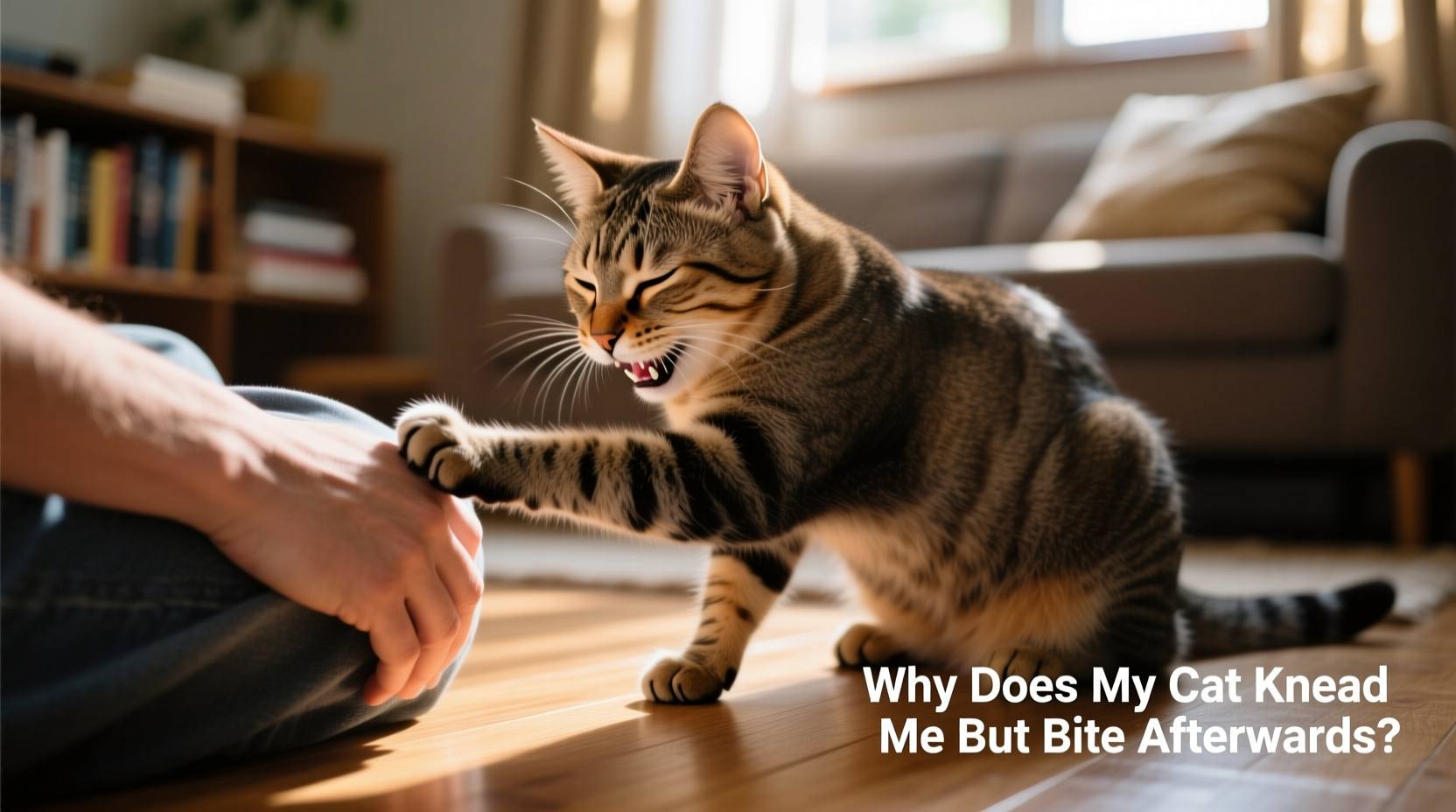
Kneading is one of the earliest behaviors kittens display. From birth, they press their tiny paws into their mother’s mammary glands to stimulate milk flow. This rhythmic motion becomes associated with warmth, nourishment, safety, and comfort. As cats grow, many continue kneading well into adulthood, even without nursing needs. When your cat kneads you, it’s not just a habit—it’s a sign of deep emotional attachment. They are essentially treating you as a source of security, much like their mother.
This action often coincides with purring, slow blinking, and relaxed body language—all indicators that your cat feels safe and content. However, because kneading originates in infancy, it remains tied to powerful sensory and emotional stimuli. What starts as soothing can, under certain conditions, escalate into overstimulation, leading to the unexpected bite.
Tip: If your cat begins to tense up during kneading—tail flicking, ears flattening, or skin rippling—pause petting. These are early signs of overstimulation.From Comfort to Conflict: The Overstimulation Threshold
The transition from kneading to biting often occurs when a cat reaches its sensory threshold. While the act of kneading may be calming, the accompanying petting—especially if prolonged or intense—can become overwhelming. Cats have highly sensitive nerve endings in their skin, particularly along the back and tail base. Continuous touching in these areas, even if gentle, can shift from pleasurable to irritating.
Unlike dogs, who often seek extended physical contact, most cats prefer short bursts of interaction. What feels like affection to you might be sensory overload for your cat. The bite isn’t aggression in the traditional sense; it’s a communication tool. Your cat is saying, “I’ve had enough,” but lacks the vocabulary to say it gently. In the wild, such signals prevent conflict—animals use subtle cues to avoid escalation. When those cues are missed, the response intensifies.
“Cats don’t suddenly ‘snap’—they communicate through body language first. The bite is often the last resort after earlier warnings go unnoticed.” — Dr. Sarah Thompson, Feline Behavior Specialist
Common Triggers That Turn Kneading Into Biting
Several factors can contribute to the knead-then-bite sequence. Recognizing these can help you anticipate and prevent discomfort:
- Prolonged petting: Even if your cat initiated contact, continuous stroking can become irritating.
- Touching sensitive zones: The lower back, tail, and belly are high-sensitivity areas for many cats.
- Unpredictable movements: Sudden gestures or loud noises during kneading can startle a cat mid-trance.
- Play aggression carryover: Some cats blur the line between affection and play, especially if they were weaned early or lacked socialization.
- Pain or medical issues: Arthritis, skin conditions, or neurological sensitivities can lower tolerance for touch.
In multi-cat households, redirected aggression may also play a role. A cat might be kneading calmly, then bite in response to seeing another cat at a window or hearing a noise, releasing built-up tension on the nearest target—often you.
Do’s and Don’ts During Kneading Sessions
| Do’s | Don’ts |
|---|---|
| Observe body language closely (relaxed vs. tense) | Ignore tail flicking or ear flattening |
| Pet briefly and stop before signs of irritation appear | Pet continuously, especially near the tail base |
| Let the cat control the interaction duration | Hold the cat in place to keep petting |
| Use a blanket or pillow as a buffer for claws | React harshly to a bite (yelling, punishment) |
| Speak softly and move slowly | Suddenly change position or make loud noises |
Decoding the Bite: Not All Bites Are Equal
It’s important to distinguish between types of bites, as they convey different messages:
- The Love Bite (Gentle nip): Often brief and painless, this is a form of grooming or bonding behavior. It may follow kneading as part of a ritualistic sequence.
- The Overstimulation Bite: Harder, sudden, and targeted—usually after prolonged petting. The cat may immediately retreat or reposition.
- The Play Bite: Common in younger cats, mimicking hunting. May involve pouncing or chasing after the nip.
- The Defensive Bite: Accompanied by hissing, flattened ears, or dilated pupils. Indicates fear or threat.
If your cat kneads and then delivers a soft, quick nip without hostility, it may simply be expressing affection in a feline way. But if the bite draws blood or is accompanied by agitation, it’s likely a reaction to discomfort or overstimulation.
Mini Case Study: Luna and the Lap Sessions
Luna, a 3-year-old domestic shorthair, loved curling up on her owner’s lap every evening. She’d knead vigorously, purr loudly, and nuzzle against their arm. But within minutes, she’d suddenly twist and bite their hand, sometimes breaking skin. Confused and hurt, the owner considered limiting lap time altogether.
After consulting a behaviorist, they realized Luna was being petted too long, especially along her lower back—a known sensitivity zone. By reducing petting duration, avoiding the tail area, and watching for early signs of tension (skin rippling, tail twitching), the bites stopped. Instead, Luna began dismounting calmly after kneading, indicating she’d had enough without needing to bite. The key wasn’t less affection—but smarter interaction.
How to Respond: Building Better Boundaries
When your cat bites after kneading, your response matters. Reacting with anger or punishment can damage trust and increase anxiety. Instead, focus on prevention and redirection. Here’s a step-by-step guide to managing and modifying the behavior:
Step-by-Step Guide: Preventing Post-Kneading Bites
- Observe the pre-bite signals: Note changes in breathing, tail movement, pupil size, or skin twitching.
- End petting before the point of no return: Stop 10–15 seconds before you think the cat might react.
- Redirect attention: Offer a toy or treat to shift focus once kneading ends.
- Create a positive exit: Gently place a toy in front of the cat as you stand up, encouraging them to leave calmly.
- Respect individual limits: Some cats only tolerate 30 seconds of petting; others enjoy longer sessions. Learn your cat’s personal threshold.
- Trim claws regularly: Use a scratching post or nail trimmer to minimize accidental scratches during kneading.
Consistency is crucial. Over time, your cat will learn that calm disengagement leads to continued positive interactions, while biting results in the end of lap time. This reinforces self-regulation.
Tip: Place a thick blanket or sweater on your lap during kneading sessions. It protects your skin from claws and creates a tactile barrier that may reduce overstimulation.Checklist: Is Your Cat Overstimulated?
- ✅ Tail flicking or lashing
- ✅ Ears turning sideways or flattening
- ✅ Skin rippling along the back
- ✅ Pupil dilation
- ✅ Head turning to watch your hand
- ✅ Sudden licking of lips or grooming
- ✅ Low growl or cessation of purring
If you observe two or more of these signs, stop petting immediately. Wait a few minutes before resuming—if at all. Let your cat initiate further contact.
Frequently Asked Questions
Is kneading and biting a sign of aggression?
Not necessarily. While biting can be aggressive, in the context of kneading, it’s usually a reaction to overstimulation rather than true hostility. The cat isn’t trying to dominate or attack; it’s signaling discomfort. True aggression includes consistent hissing, swatting, or unprovoked attacks, which require professional evaluation.
Can I train my cat to stop biting after kneading?
You can’t eliminate the instinct, but you can shape the behavior. By learning your cat’s limits and responding to early cues, you can prevent bites. Positive reinforcement—rewarding calm departures with treats or praise—encourages better communication. Avoid punishment, as it increases fear and suppresses warning signs, potentially making bites more sudden and severe.
Why does my cat only bite me and not others?
Cats often reserve kneading and close contact for their most trusted humans. Because they feel safest with you, they’re more likely to relax deeply—and thus reach their stimulation threshold faster. They may also have learned that you tolerate more interaction than others, leading to longer sessions that eventually cross the line into discomfort.
Conclusion: Listening Beyond the Bite
Your cat’s kneading is a profound compliment—a gesture of trust and nostalgia for kittenhood safety. The subsequent bite isn’t betrayal; it’s communication. Cats don’t use words, but they speak clearly through body language, timing, and touch. By paying attention to the subtle shifts between contentment and overwhelm, you honor their nature rather than expect them to conform to human expectations of affection.
Every knead, every twitch, every gentle nip tells a story. When you respond with patience and awareness, you don’t just prevent bites—you deepen the bond. You become fluent in cat.
💬 Have a kneading-and-biting cat? Share your experience or best tip in the comments. Your insight could help another cat owner understand their furry companion better.








