Morning breath is a nearly universal experience. No matter how diligent someone is with oral hygiene, waking up with an unpleasant taste or odor in the mouth is common. While it’s usually harmless, persistent or severe morning breath can signal underlying issues. Understanding the science behind this condition—its causes, prevention methods, and treatments—can help maintain better oral health and confidence throughout the day.
The Science Behind Morning Breath
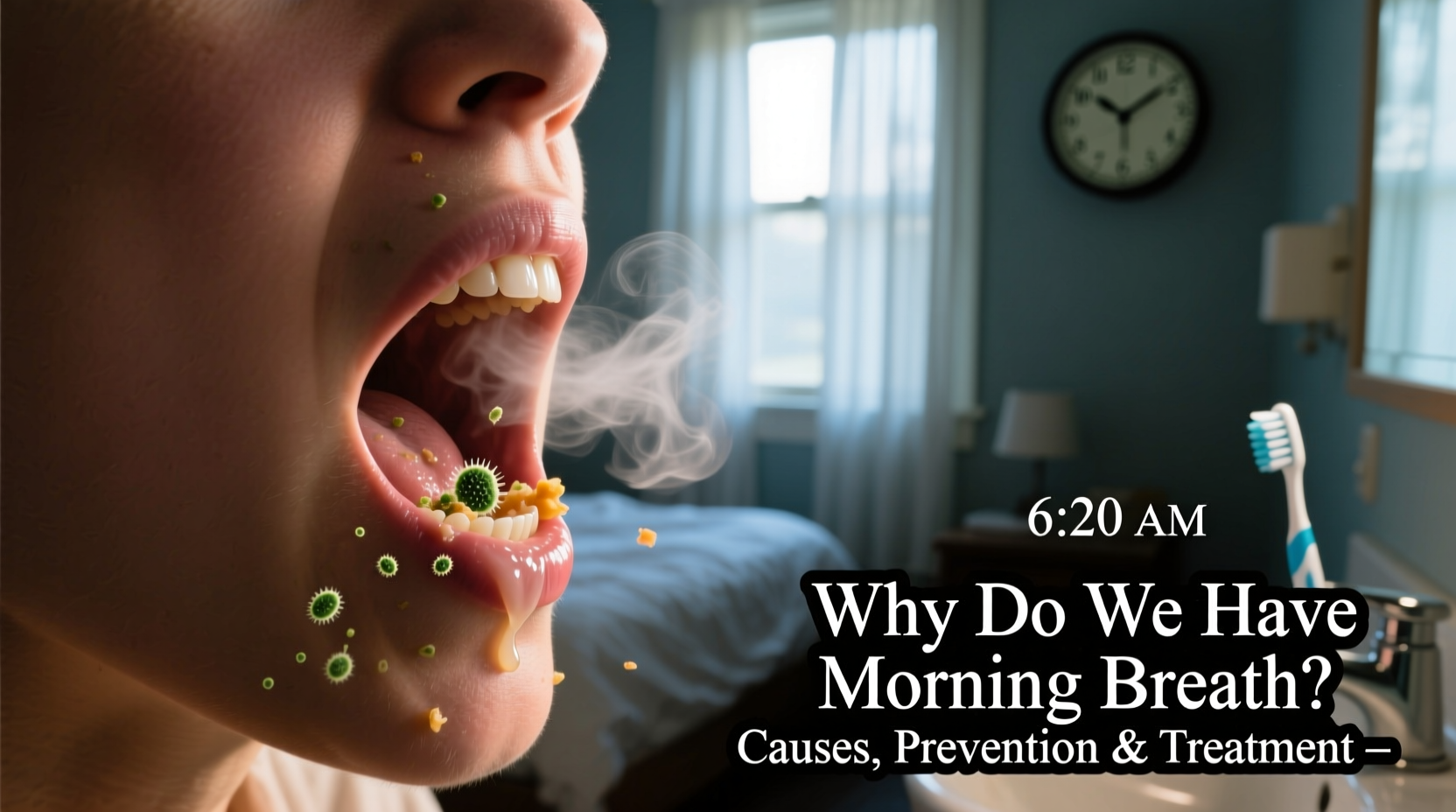
During sleep, saliva production decreases significantly. Saliva plays a crucial role in maintaining oral hygiene by washing away food particles, neutralizing acids produced by bacteria, and inhibiting microbial overgrowth. When the mouth becomes dry at night, anaerobic bacteria—microorganisms that thrive without oxygen—multiply rapidly on the tongue, teeth, and gums. These bacteria break down proteins in leftover food debris and dead cells, releasing volatile sulfur compounds (VSCs) such as hydrogen sulfide and methyl mercaptan. These gases are primarily responsible for the foul odor associated with morning breath.
This natural reduction in saliva flow is part of the body’s circadian rhythm. However, certain lifestyle factors and medical conditions can intensify the effect, making breath worse upon waking.
Tip: Staying hydrated before bed helps maintain minimal saliva flow overnight, reducing bacterial buildup.Common Causes of Morning Breath
While reduced salivation is the primary cause, several contributing factors can make morning breath more pronounced:
- Dry mouth (xerostomia): Caused by dehydration, medications (such as antihistamines or antidepressants), or sleeping with the mouth open.
- Poor oral hygiene: Not brushing or flossing properly allows plaque and food particles to accumulate, feeding odor-causing bacteria.
- Sleeping with the mouth open: Often due to nasal congestion or sleep apnea, this accelerates mouth dryness.
- Dietary habits: Foods like garlic, onions, coffee, and alcohol can linger in the mouth and bloodstream, affecting breath upon exhalation.
- Tobacco use: Smoking or chewing tobacco dries the mouth and introduces additional chemicals that contribute to bad odor.
- Gastroesophageal reflux (GERD): Acid reflux during sleep can bring stomach odors into the mouth.
- Oral infections: Gingivitis, periodontitis, or infected tonsils can harbor bacteria that worsen breath.
“Morning breath is normal, but if it persists despite good hygiene, it may indicate an underlying dental or systemic issue.” — Dr. Lena Torres, Board-Certified Dentist and Oral Health Specialist
Prevention Strategies for Fresher Mornings
Preventing morning breath starts with consistent nighttime oral care and healthy lifestyle choices. The goal is to minimize bacterial load and maintain moisture in the mouth overnight.
Effective Nightly Routine
- Brush thoroughly for two minutes using fluoride toothpaste, focusing on the gumline and back molars where bacteria accumulate.
- Floss daily to remove trapped food particles between teeth.
- Clean your tongue with a tongue scraper or toothbrush to eliminate bacterial coating.
- Use an antibacterial mouthwash containing cetylpyridinium chloride or chlorhexidine to reduce microbial activity.
- Stay hydrated by drinking water before bed—avoid alcohol and caffeine close to bedtime.
Lifestyle Adjustments
- Avoid heavy meals, spicy foods, and alcohol within three hours of sleep.
- Treat nasal congestion or sleep apnea to reduce mouth breathing.
- Quit smoking or using tobacco products.
- Use a humidifier in dry bedrooms, especially during winter months.
| Do’s | Don’ts |
|---|---|
| Drink water before bed | Consume garlic or onions late at night |
| Use alcohol-free mouthwash | Smoke before sleeping |
| Scrape your tongue nightly | Skip flossing because you’re tired |
| Replace your toothbrush every 3 months | Use mouthwash as a substitute for brushing |
Treatment Options for Persistent Morning Breath
If morning breath continues despite preventive measures, targeted treatments may be necessary.
Professional Dental Care
Visit your dentist regularly—at least twice a year—for cleanings and checkups. They can identify and treat conditions like gum disease, cavities, or ill-fitting dental appliances that trap bacteria. In cases of chronic dry mouth, dentists may recommend prescription saliva substitutes or stimulants like sugar-free lozenges containing xylitol.
Medical Evaluation
Persistent halitosis may stem from non-oral sources. Conditions such as sinus infections, postnasal drip, diabetes, liver or kidney disorders, and gastrointestinal issues can all manifest as bad breath. If your dentist rules out oral causes, consult a physician for further evaluation.
Home Remedies with Evidence
- Xylitol gum: Chewing sugar-free gum with xylitol before bed stimulates saliva and inhibits bacterial growth.
- Baking soda rinse: A mild solution (1/2 tsp baking soda in a glass of water) helps neutralize acids and alter pH to discourage VSC-producing bacteria.
- Hydration boost: Sipping water throughout the evening maintains oral moisture.
Mini Case Study: Addressing Chronic Morning Breath
James, a 38-year-old office worker, struggled with consistently strong morning breath despite brushing twice daily. He avoided morning conversations and felt self-conscious. After a dental exam, no cavities or gum disease were found. However, his dentist noted signs of dry mouth and learned James took a decongestant nightly for allergies and often slept with his mouth open.
James was advised to switch to a non-drying allergy medication, use a saline nasal spray before bed, and incorporate a humidifier in his bedroom. He also began using a tongue scraper and alcohol-free mouthwash. Within two weeks, his morning breath improved dramatically. Follow-up visits confirmed increased saliva flow and reduced bacterial load.
This case highlights how non-dental factors can dominate breath issues—and how targeted changes yield quick results.
FAQ
Is morning breath normal?
Yes, mild morning breath is completely normal due to reduced saliva production during sleep. However, excessively foul odor that persists after brushing may indicate poor hygiene, dry mouth, or an underlying health condition.
Can mouthwash cure morning breath?
Mouthwash alone cannot cure morning breath but can significantly reduce it when used as part of a full oral care routine. Choose an antibacterial, alcohol-free formula to avoid drying the mouth further.
Why does my breath still smell bad after brushing?
Brushing may miss key areas like the back of the tongue or below the gumline. Flossing and tongue scraping are essential. Additionally, systemic issues like acid reflux or infections may require medical attention beyond oral hygiene.
Conclusion: Take Control of Your Morning Breath
Morning breath is a natural biological process, but it doesn’t have to be a daily inconvenience. By understanding the causes—primarily reduced saliva and bacterial buildup—you can take proactive steps to minimize its impact. A consistent nighttime routine, proper hydration, and addressing lifestyle factors like mouth breathing or diet go a long way. For persistent cases, professional evaluation ensures no underlying conditions are overlooked.
🚀 Start tonight: Add tongue scraping to your routine, drink a glass of water before bed, and schedule your next dental checkup. Small changes lead to fresher mornings and lasting oral health.








