Cats are natural scratchers. From the tiniest kitten to the most dignified senior, scratching is an instinctual behavior that serves multiple biological and psychological purposes. Yet many cat owners find themselves frustrated when their pets ignore expensive scratching posts in favor of furniture, curtains, or door frames. Understanding why this happens—and how to address it—is essential for both preserving household items and supporting your cat’s well-being.
Scratching isn't just about sharpening claws. It's a complex behavior tied to communication, muscle stretching, stress relief, and territory marking. When a cat refuses to use a scratching post, it's rarely defiance—it's usually a mismatch between the cat’s needs and the environment provided. Addressing this issue requires empathy, observation, and strategic adjustments.
Understanding the Instinct Behind Scratching
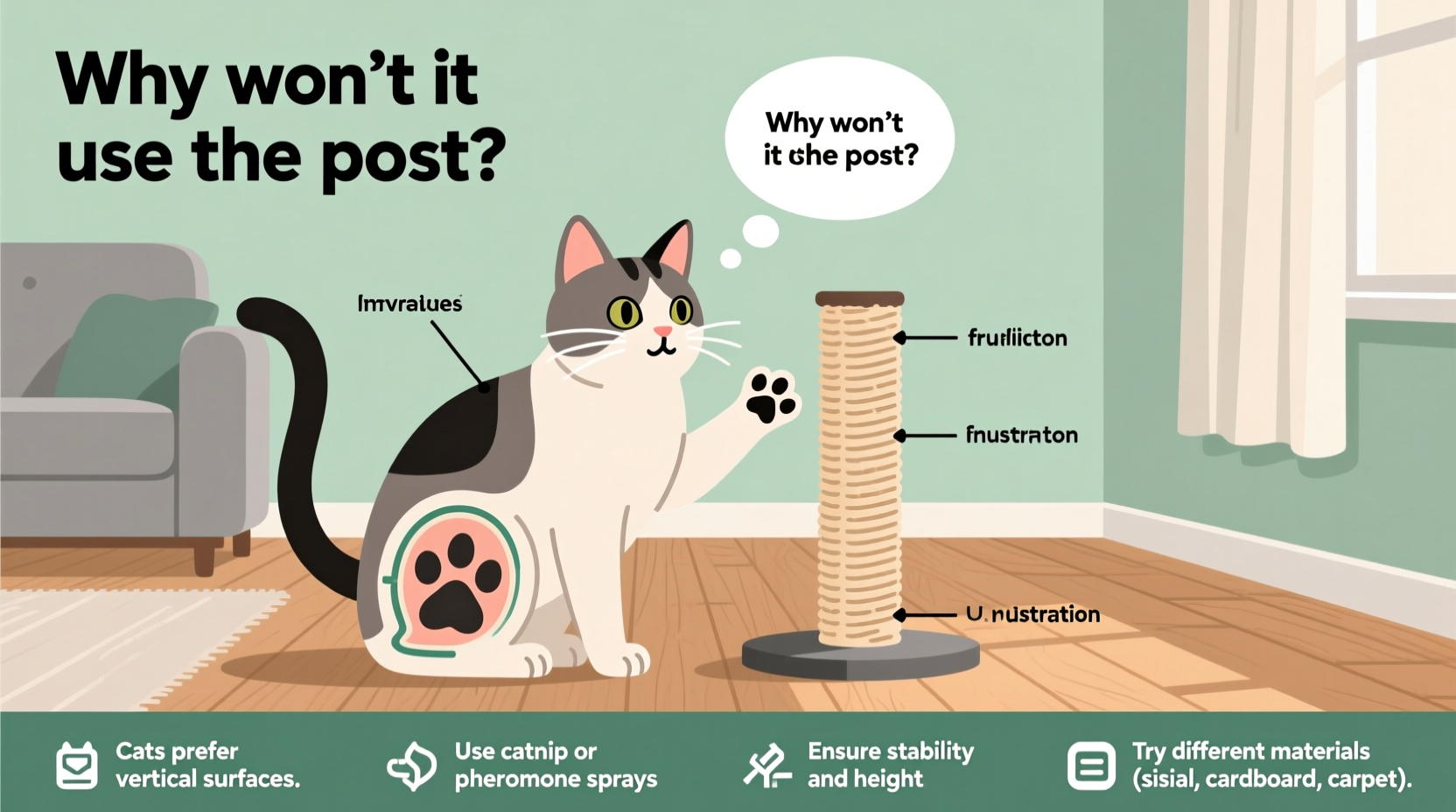
Before attempting to change a cat’s behavior, it’s important to recognize what drives the need to scratch. This isn’t destructive behavior; it’s functional and necessary. Cats scratch for several key reasons:
- Muscle and joint health: Scratching allows cats to stretch their back, shoulders, and front paws, promoting flexibility and circulation.
- Claw maintenance: The action helps shed old outer layers of the claws, keeping them sharp and healthy.
- Scent marking: Cats have scent glands in their paws. Scratching deposits pheromones, marking territory in a way that feels secure to them.
- Emotional regulation: Scratching can be calming during times of stress or excitement, acting as a self-soothing mechanism.
- Visual signaling: The visible marks serve as warnings or signals to other animals (or perceived rivals) in the area.
When a cat bypasses a scratching post, it’s not rejecting the concept of scratching—it’s rejecting the option presented. The solution lies not in punishment, but in alignment: aligning the post with the cat’s physical preferences, location instincts, and emotional comfort.
Tip: Never punish a cat for scratching furniture. Instead, redirect gently and improve the appeal of acceptable alternatives.Common Reasons Cats Reject Scratching Posts
Even high-quality scratching posts often go unused. The reasons vary, but most stem from mismatches in design, placement, or timing. Below are the most frequent causes:
- Poor location: Cats prefer to scratch in high-traffic or transitional areas—near sleeping spots, food bowls, or entryways. A post tucked in a quiet corner may be ignored.
- Wrong texture: While sisal and cardboard are popular, some cats prefer carpet, wood, or even vertical rope. Texture preference is individual.
- Unstable base: If a post wobbles or tips when scratched, cats will avoid it. Stability signals safety and reliability.
- Incorrect height: A cat must be able to fully extend its body while scratching. Posts under 24 inches often fail to meet this need.
- Lack of variety: Some cats like horizontal surfaces; others prefer vertical or angled. Offering only one type limits options.
- Competition with existing habits: If a cat has already established a preferred spot (e.g., a sofa arm), switching takes time and reinforcement.
- Insufficient number of posts: One post per cat is a minimum. Multi-cat households often require more to prevent territorial disputes.
A 2023 study by the American Association of Feline Practitioners found that over 60% of cats ignored scratching posts due to instability or poor placement—not lack of interest.
How to Choose the Right Scratching Post
Selecting a suitable scratching post isn’t about aesthetics or price—it’s about functionality tailored to your cat. Consider these factors before purchasing:
| Feature | Recommended | Avoid |
|---|---|---|
| Height | At least 30 inches for vertical posts | Posts under 24 inches |
| Material | Sisal fabric, corrugated cardboard, natural wood | Plush carpet (wears quickly, less appealing) |
| Stability | Heavy base or wall-mounted | Lightweight, wobbly models |
| Orientation | Vertical, horizontal, and angled options | Only one orientation |
| Location Flexibility | Can be placed near resting or feeding areas | Rigid design limiting placement |
For example, a tall, sturdy sisal post placed near a favorite napping window is far more likely to be used than a short, unstable cardboard model in a basement corner.
“Cats don’t choose where to scratch based on human convenience—they choose based on instinct and security. Our job is to make the right choice the easiest one.” — Dr. Lydia Chen, Veterinary Behaviorist
Step-by-Step Guide to Encourage Use of Scratching Posts
Changing scratching behavior takes patience and consistency. Follow this timeline to gradually shift your cat’s habits:
- Week 1: Observe and Map
Note where your cat currently scratches. Identify patterns: Is it near the bedroom door? By the couch? After waking up? This reveals preferred zones. - Week 2: Place Posts Strategically
Position new posts directly in or beside current scratching zones. Even if temporary, proximity increases exposure and trial. - Week 3: Enhance Appeal
Sprinkle catnip on the post, attach dangling toys, or rub silver vine on the surface. These natural attractants stimulate interest. - Week 4: Positive Reinforcement
Whenever your cat approaches or uses the post, offer praise, treats, or gentle petting. Avoid forcing interaction. - Week 5–6: Discourage Unwanted Areas
Use double-sided tape, aluminum foil, or plastic covers on furniture. These textures are unpleasant but harmless. - Week 7+: Rotate and Maintain
Replace worn pads, rotate post types, and move posts slightly to refresh interest. Cats appreciate novelty within routine.
This gradual approach respects the cat’s autonomy while guiding behavior toward acceptable outlets.
Tips for Multi-Cat Households
In homes with multiple cats, competition and hierarchy influence scratching behavior. Dominant cats may claim certain posts, leaving others unused. Submissive cats may avoid high-visibility areas altogether.
Tip: Place at least one scratching post per cat, plus one extra. Distribute them across different zones to reduce conflict.Consider adding horizontal scratchers in secluded corners for shy cats, while placing tall vertical posts in communal areas for confident individuals. Monitor usage and adjust placements based on observed interactions.
Mini Case Study: Reclaiming the Sofa
Sarah adopted Luna, a two-year-old tabby, six months ago. Within weeks, the arms of her living room sofa were shredded. She bought a plush-covered scratching post, but Luna ignored it completely.
After consulting a feline behavior consultant, Sarah realized three issues: the post was too short (only 18 inches), covered in soft fabric (Luna preferred rough textures), and placed in a low-traffic hallway.
She replaced it with a 32-inch sisal-wrapped post and positioned it directly beside the sofa—Luna’s preferred scratching zone. She sprinkled silver vine on the post and covered the sofa arms with double-sided tape. Within ten days, Luna began using the post regularly. After three weeks, she abandoned the sofa entirely.
The key wasn’t discipline—it was redesigning the environment to match Luna’s instincts.
Checklist: Cat-Proof Your Home Without Sacrificing Style
Use this checklist to create a scratching-friendly home that works for both you and your cat:
- ✅ Assess current scratching zones and identify patterns
- ✅ Invest in at least one tall, stable scratching post per cat
- ✅ Choose materials based on your cat’s preference (sisal, cardboard, wood)
- ✅ Place posts near resting areas, windows, or room entrances
- ✅ Use catnip, silver vine, or interactive toys to boost interest
- ✅ Protect furniture with temporary deterrents (tape, foil, slipcovers)
- ✅ Reward correct use with treats or affection
- ✅ Replace worn scratchers promptly to maintain appeal
- ✅ Rotate or reposition posts every few weeks to renew interest
- ✅ Avoid yelling or spraying water—these create fear, not learning
Frequently Asked Questions
Why does my cat scratch the carpet instead of the post?
Carpets mimic the texture of natural substrates like grass or soil, which some cats prefer. Try offering a horizontal cardboard scratcher or a low-profile sisal mat, which may feel more familiar and accessible.
My cat only scratches door frames—how do I stop this?
Door frames are often in high-traffic areas, making them ideal for scent marking. Install a wall-mounted scratcher right next to the frame and use double-sided tape on the wood to deter access. Over time, transfer the marking behavior to the post.
Is it okay to trim my cat’s claws if they’re scratching everything?
Yes, regular claw trimming is safe and can reduce damage. However, it doesn’t eliminate the need to scratch. Combine trimming with proper scratching outlets to address both the behavior and its impact.
Final Thoughts: Patience and Observation Are Key
Cats aren’t being difficult when they reject scratching posts—they’re being cats. Their choices reflect instinct, past experience, and environmental cues. Success comes not from forcing compliance, but from understanding and adapting.
Start by observing your cat’s routines. Notice where they stretch upon waking, where they nap, and where they’ve chosen to scratch. Then, place appropriate posts in those zones, reinforce positive choices, and gently discourage unwanted ones. Over time, your cat will develop a preference for the right surfaces—especially when they’re stable, well-placed, and enriched with scent or play.
Remember, scratching is not a problem to eliminate—it’s a behavior to redirect. With thoughtful setup and consistent encouragement, most cats readily adopt healthier habits. The goal isn’t a scratch-free home, but a harmonious one where both cat and owner thrive.
💬 Have a cat who finally started using their scratching post? Share your success story in the comments—your tip might help another frustrated pet owner!








