
The appearance and texture of the scrotum and testicles can change throughout the day due to temperature, activity level, or emotional state. It's normal for the testicles to tighten or appear smaller temporarily. However, persistent or concerning shrinkage—often described as \"shriveling\"—can stem from physiological, hormonal, or environmental factors. Understanding the underlying reasons, recognizing warning signs, and knowing how to respond is essential for maintaining reproductive and overall health.
Understanding Testicular Anatomy and Normal Function
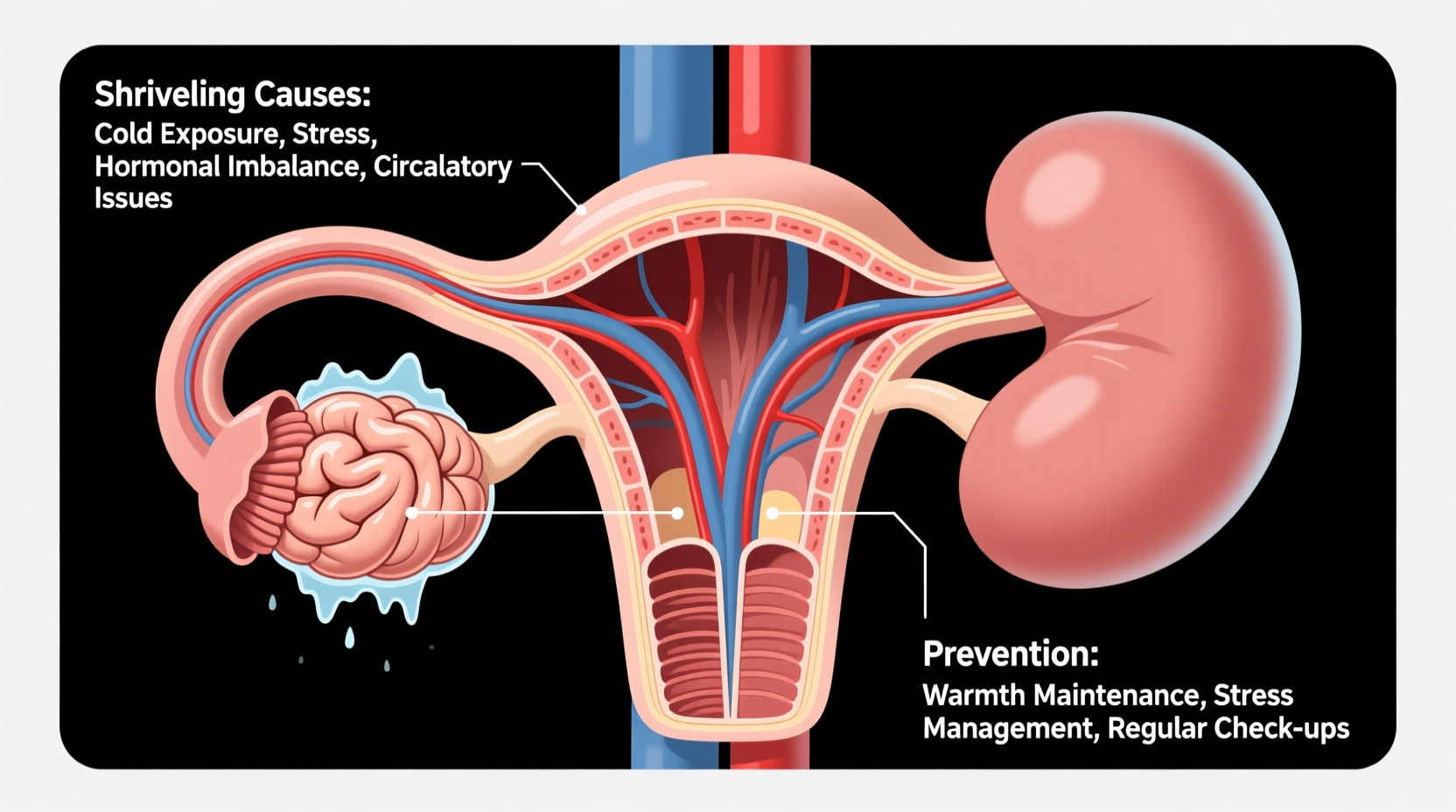
The scrotum houses the testicles and acts as a thermoregulatory system. The cremaster muscle contracts or relaxes to move the testicles closer to or farther from the body, helping maintain an optimal temperature for sperm production—about 3–4°C below core body temperature. This natural mechanism explains why testicles may appear smaller (tightened) in cold environments or during stress and larger in warm conditions.
This dynamic adjustment is entirely normal and usually temporary. However, actual reduction in testicular volume—true shrinkage—differs from momentary retraction. True shrinkage involves structural or hormonal changes within the testicle itself and may affect fertility, hormone levels, or sexual function.
Common Causes of Testicular Shrinkage
Several factors can contribute to long-term or noticeable testicular shrinkage. Some are benign and reversible; others require medical attention.
- Temperature Changes: Cold exposure triggers the cremaster reflex, pulling the testicles upward and making them appear smaller. Warmth reverses this effect.
- Aging: Testicular volume naturally decreases with age. After 40, testosterone levels decline gradually, which can lead to reduced testicle size and lower sperm production.
- Hormonal Imbalances: Low testosterone, elevated estrogen, or pituitary disorders can impair testicular function and cause atrophy.
- Testicular Atrophy: This condition involves actual loss of tissue mass due to injury, infection (e.g., mumps orchitis), or chronic alcohol use.
- Medications and Hormone Therapy: Anabolic steroids, testosterone replacement therapy (TRT), and certain prostate cancer treatments suppress natural testosterone production, leading to testicular shrinkage.
- Poor Blood Flow: Conditions like varicocele or trauma can impair circulation, affecting testicular health over time.
- Chronic Illness: Liver disease, kidney failure, and obesity are linked to hormonal disruptions that may impact testicular size.
Medical Treatments for Testicular Shrinkage
Treatment depends on the root cause. Not all cases require intervention, but identifying underlying issues is crucial.
- Hormone Replacement or Modulation: For men with hypogonadism, doctors may prescribe clomiphene citrate to stimulate natural testosterone production instead of TRT, preserving testicular size. In some cases, hCG (human chorionic gonadotropin) injections help maintain testicular function during or after steroid cycles.
- Discontinuation of Anabolic Steroids: Prolonged steroid use shuts down the body’s natural testosterone production. Recovery may take months, and post-cycle therapy (PCT) is often recommended under medical supervision.
- Surgical Correction: If a varicocele is causing reduced blood flow and atrophy, surgical repair may improve testicular volume and fertility outcomes.
- Infection Management: Bacterial or viral infections like epididymitis or mumps orchitis require prompt treatment to prevent permanent damage.
- Lifestyle-Based Interventions: Weight loss, improved sleep, and reduced alcohol intake can reverse some forms of hormonal imbalance contributing to shrinkage.
“Testicular atrophy isn’t just cosmetic—it can reflect deeper endocrine or vascular problems. Early evaluation improves outcomes.” — Dr. Alan Pierce, Urologist and Men’s Health Specialist
Prevention Strategies and Daily Habits
While some causes of testicular shrinkage are unavoidable, many risk factors can be managed through lifestyle choices.
| Factor | Prevention Strategy | What to Avoid |
|---|---|---|
| Hormonal Disruption | Maintain healthy weight, exercise regularly, manage stress | Long-term steroid use, excessive alcohol |
| Poor Circulation | Avoid prolonged sitting, wear supportive underwear | Tight synthetic underwear, extended cycling without padding |
| Heat Exposure | Limit hot baths, saunas, and laptop use on lap | Frequent high-heat environments |
| Infections | Practice safe sex, get vaccinated (e.g., MMR vaccine) | Unprotected sex, ignoring urinary symptoms |
Real-Life Example: Recovery After Steroid Use
Mark, a 32-year-old fitness enthusiast, noticed his testicles had become significantly smaller after using anabolic steroids for 10 months. He also reported low energy and decreased libido. Upon visiting a men’s health clinic, blood tests revealed suppressed luteinizing hormone (LH) and follicle-stimulating hormone (FSH). His doctor prescribed a 12-week course of clomiphene and hCG to restart natural testosterone production. With regular monitoring, Mark’s hormone levels normalized, and partial testicular regrowth was observed within five months. His experience underscores the importance of medical guidance during and after performance-enhancing drug use.
When to See a Doctor
Occasional tightening due to cold or stress is not a concern. However, seek medical advice if you notice:
- Consistent reduction in testicle size over weeks or months
- Pain, swelling, or lumps in the scrotum
- Decreased libido, erectile dysfunction, or fatigue
- Infertility or difficulty conceiving
- History of undescended testicles, trauma, or mumps after puberty
A urologist may perform a physical exam, ultrasound, and blood work to assess testosterone, LH, FSH, and other hormones. Early diagnosis increases the likelihood of reversing or managing the condition effectively.
FAQ
Is it normal for my balls to shrink in the cold?
Yes. The cremaster muscle contracts in response to cold temperatures, pulling the testicles closer to the body to conserve heat. This is a normal, temporary reaction and does not indicate shrinkage of the testicles themselves.
Can testosterone therapy make my testicles smaller?
Yes. Exogenous testosterone signals the brain to stop producing natural testosterone, which reduces stimulation to the testicles. Over time, this lack of stimulation can lead to testicular atrophy. Men concerned about this side effect should discuss alternatives like clomiphene with their doctor.
Will my testicles grow back after stopping steroids?
In many cases, yes—but recovery can take several months and is not guaranteed. The longer the steroid use and the higher the dose, the greater the risk of permanent shrinkage. Post-cycle therapy under medical supervision improves recovery chances.
Conclusion and Next Steps
Temporary tightening of the scrotum is a normal part of male physiology. True testicular shrinkage, however, may signal hormonal imbalances, medication effects, or underlying medical conditions. Recognizing the difference between transient retraction and persistent atrophy is key to timely intervention.
Prevention through healthy lifestyle habits, avoiding unregulated steroid use, and routine self-exams can go a long way in preserving testicular health. If changes persist or are accompanied by other symptoms, don’t hesitate to consult a healthcare provider. Your reproductive and hormonal health is worth protecting.
🚀 Take charge of your health today: Perform a self-check, track any changes, and schedule a consultation if something feels off. Early action leads to better outcomes.








