When a female cat starts urinating outside the litter box—on beds, carpets, furniture, or walls—it can be frustrating, confusing, and even heartbreaking for pet owners. This behavior is rarely about spite or rebellion. Instead, it’s usually a signal that something is wrong, whether physical, emotional, or environmental. Understanding the root causes and responding with compassion and strategy is key to restoring harmony in your home.
Medical Causes Behind Inappropriate Urination
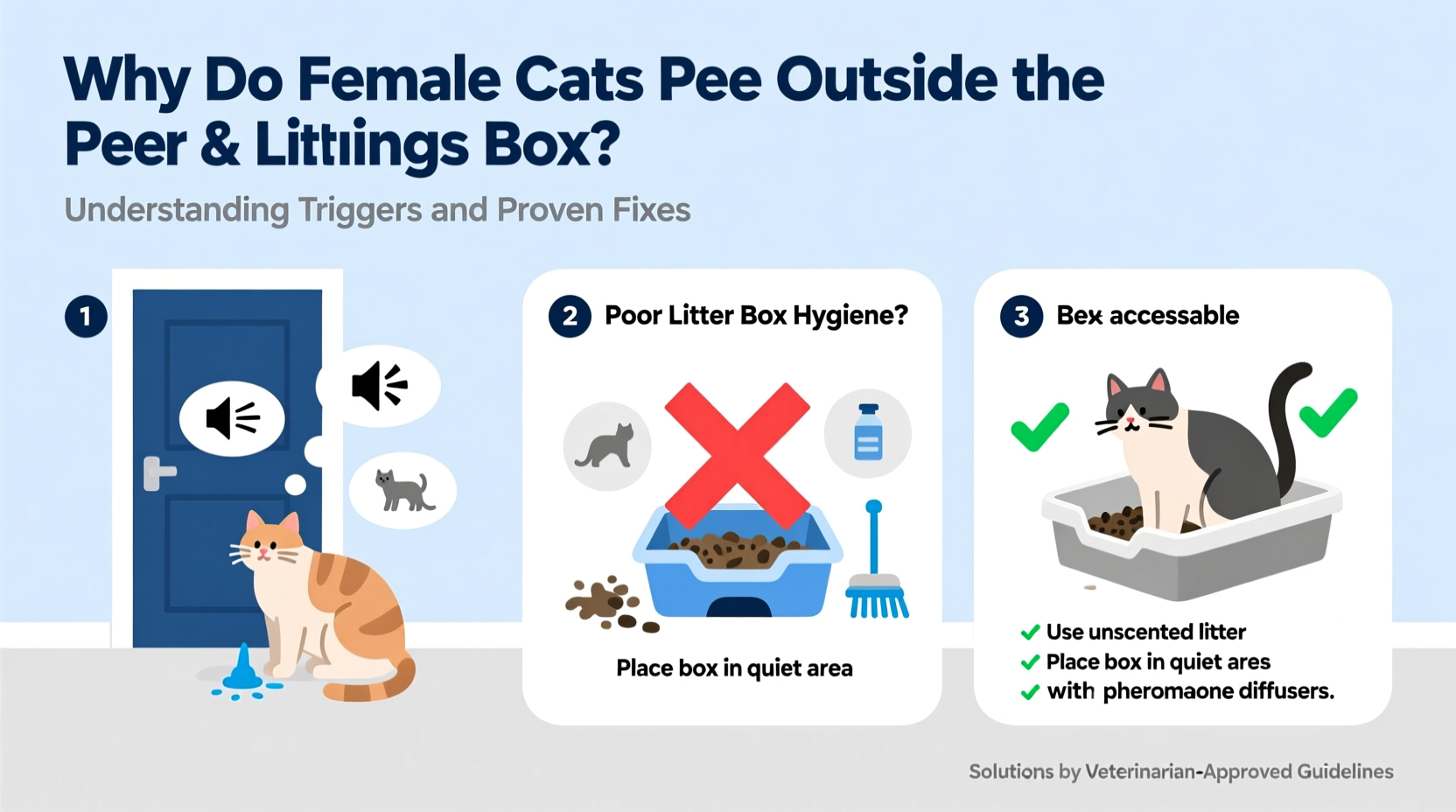
Before assuming behavioral issues, rule out health problems. Female cats are prone to urinary tract infections (UTIs), bladder stones, kidney disease, diabetes, and feline lower urinary tract disease (FLUTD). These conditions cause discomfort during urination, leading cats to associate the litter box with pain and avoid it.
Symptoms to watch for include:
- Frequent trips to the litter box with little output
- Straining or vocalizing while urinating
- Blood in the urine
- Licking the genital area excessively
- Increased thirst or lethargy
“Any change in litter box habits should be treated as a potential medical red flag until proven otherwise.” — Dr. Lena Patel, DVM, Feline Internal Medicine Specialist
Behavioral and Environmental Triggers
Once medical causes are ruled out, focus shifts to stress and environment. Cats are creatures of habit. Even subtle changes—a new pet, a moved litter box, construction noise, or a different brand of litter—can trigger anxiety-related elimination behaviors.
Female cats may mark territory when they feel threatened. While spraying (urine on vertical surfaces) is more common in unneutered males, females can also spray when stressed. However, many cases of inappropriate urination involve squatting and full voiding, not spraying—indicating a need to eliminate, not mark.
Common stressors include:
- New pets or people in the home
- Multi-cat household conflicts
- Cleanliness issues with the litter box
- Loud noises or routine disruptions
- Windows overlooking outdoor cat activity
The Litter Box Factor: Is It Clean Enough?
Cats are fastidious. A dirty litter box—even with one clump—is enough to drive them elsewhere. The general rule: one box per cat, plus one extra. So for two cats, you need three boxes.
| Do’s | Don’ts |
|---|---|
| Scoop daily, clean weekly | Use scented litter or strong cleaners |
| Place boxes in quiet, accessible areas | Put boxes near noisy appliances |
| Offer multiple litter types for preference | Change litter type abruptly |
| Ensure large, uncovered boxes | Use covered boxes that trap odors |
Step-by-Step Guide to Stop Inappropriate Urination
Resolving this issue requires patience and consistency. Follow these steps methodically:
- Veterinary Visit: Schedule a check-up and urinalysis to rule out UTIs, diabetes, or kidney issues.
- Identify Triggers: Note when and where accidents occur. Are they near windows? After guests visit? Near another pet?
- Optimize Litter Setup: Provide enough boxes, clean them daily, and experiment with unscented clumping litter, shredded paper, or silica.
- Remove Odors Completely: Use enzymatic cleaners (not ammonia-based products) on soiled areas. Residual smells invite re-soiling.
- Reduce Stress: Add pheromone diffusers (like Feliway), create safe zones, and maintain predictable routines.
- Block Access: Temporarily restrict access to favorite urination spots using furniture, foil, or plastic mats.
- Reinforce Positive Behavior: Praise and reward use of the litter box. Never punish accidents—they increase fear and worsen the problem.
Mini Case Study: Bella the Anxious Tabby
Bella, a 4-year-old spayed tabby, began peeing on her owner’s bed after the family adopted a puppy. Her owner assumed it was jealousy, but a vet visit revealed a mild UTI. After antibiotics, the behavior persisted. A home assessment showed the single litter box was next to the noisy washer and blocked by the puppy’s crate.
The solution included moving two clean, uncovered litter boxes to quiet corners, installing a Feliway diffuser, and giving Bella elevated perches away from the puppy. Within three weeks, the accidents stopped. The key was addressing both medical and environmental layers.
Effective Solutions and Preventive Strategies
Long-term success depends on creating a cat-friendly environment. Consider these strategies:
- Pheromone Therapy: Feliway Classic mimics calming facial pheromones and reduces stress-induced marking.
- Environmental Enrichment: Provide scratching posts, window perches, and interactive toys to reduce anxiety.
- Gradual Introductions: When adding pets or people, allow scent-swapping and controlled meetings over days.
- Diet Adjustments: Some vets recommend urinary health diets to prevent crystal formation and support bladder function.
When Medication Might Be Necessary
In severe cases of anxiety, veterinarians may prescribe anti-anxiety medications such as fluoxetine (Prozac) or amitriptyline. These are typically short-term tools used alongside behavioral modification and environmental changes.
“Medication isn’t a cure, but it can lower a cat’s stress threshold enough to make behavioral interventions work.” — Dr. Alan Torres, Veterinary Behaviorist
FAQ
Is my female cat spraying or just peeing?
Spraying involves standing, tail flicking, and depositing small amounts of urine on vertical surfaces. Inappropriate urination usually involves squatting on horizontal surfaces like carpets or beds. Most female cats who “pee on things” are not spraying but avoiding the litter box due to discomfort or stress.
Can spaying stop this behavior?
Spaying reduces hormonal influences on marking, but most female cats who urinate outside the box are already spayed. The behavior is more commonly linked to stress or medical issues than reproductive hormones.
How long does it take to fix this problem?
With consistent effort, improvement can begin in 2–3 weeks. Full resolution may take several months, especially in multi-cat homes or high-stress environments. Patience and persistence are essential.
Checklist: Action Plan for Cat Owners
- ☑ Schedule a vet appointment for a urine test
- ☑ Clean all soiled areas with enzymatic cleaner
- ☑ Provide one litter box per cat, plus one extra
- ☑ Scoop boxes at least once daily
- ☑ Place boxes in quiet, low-traffic areas
- ☑ Try a pheromone diffuser like Feliway
- ☑ Observe and record accident patterns
- ☑ Reduce household stressors where possible
- ☑ Avoid punishment; reinforce positive behavior
- ☑ Consult a veterinary behaviorist if no improvement in 4 weeks
Conclusion
Female cats don’t pee on things to annoy their owners—they’re communicating distress. Whether the cause is a urinary infection, a dirty litter box, or anxiety from a life change, the solution lies in empathy and systematic intervention. By combining veterinary care, environmental adjustments, and behavioral support, most cases can be resolved successfully.
💬 Have you overcome your cat’s inappropriate urination? Share your story in the comments—your experience could help another frustrated pet owner find hope and answers.








