Dogs licking their paws isn’t always cause for alarm—many dogs groom themselves this way after walks or as a calming habit. But when the behavior becomes constant, obsessive, or leads to redness, swelling, or hair loss, it’s often a sign of an underlying issue. One of the most common culprits? Allergies. Persistent paw licking can be your dog’s way of communicating discomfort, irritation, or pain. Understanding the link between excessive licking and allergies is essential for pet owners who want to improve their dog’s quality of life and prevent secondary infections.
This article explores the reasons behind constant paw licking in dogs, with a focus on identifying allergy-related causes. You’ll learn how to spot the signs, what types of allergies are most prevalent, and what steps you can take to bring relief to your pet.
Understanding Normal vs. Abnormal Paw Licking
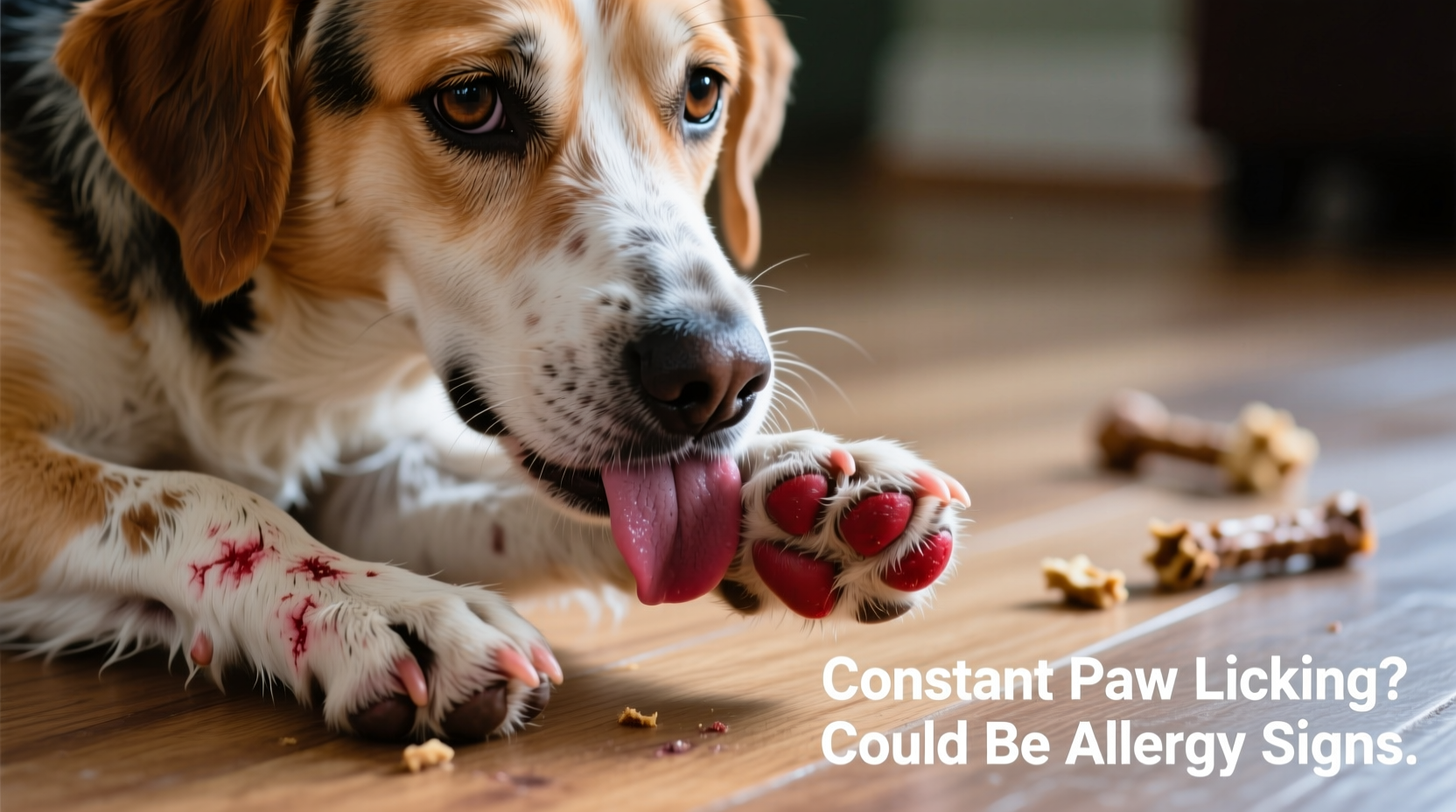
Occasional paw licking is part of a dog’s natural grooming routine. Dogs use their tongues to clean dirt, debris, or minor irritants from their paws after being outside. However, when licking turns into a compulsive behavior—lasting several minutes multiple times a day, focused on one or both paws, or leading to physical changes—it crosses into problematic territory.
Abnormal paw licking may present with:
- Red, inflamed skin between the toes or on paw pads
- Brown staining on fur (from saliva pigments)
- Chewed or raw skin, sometimes with open sores
- Limping or favoring a paw despite no visible injury
- Hair loss around the paws or ankles
- Unpleasant odor from the paws
If these symptoms accompany frequent licking, it's time to investigate deeper causes—most notably, allergies.
Tip: Monitor your dog’s licking patterns over a few days. Note frequency, duration, and whether specific paws are targeted—this information helps veterinarians diagnose the cause.Common Allergies That Trigger Excessive Paw Licking
Allergies are among the top reasons dogs obsessively lick their paws. Unlike humans, who typically experience respiratory symptoms from allergens, dogs often manifest allergic reactions through their skin—particularly on the paws, ears, belly, and base of the tail.
The three primary types of allergies that lead to paw licking include:
1. Environmental Allergies (Atopic Dermatitis)
Also known as atopy, this condition occurs when dogs react to airborne allergens such as pollen, mold spores, dust mites, or grass. These allergens settle on the paws when walking outdoors, especially during spring and fall. Because the paw pads absorb substances easily, they become a hotspot for irritation.
Symptoms often worsen seasonally but can become year-round if not managed. Secondary yeast or bacterial infections are common due to moisture trapped between toes from constant licking.
2. Food Allergies
Food sensitivities usually involve proteins like beef, chicken, dairy, eggs, or grains such as wheat and soy. While gastrointestinal issues can occur, many food-allergic dogs show cutaneous signs—including chronic ear infections and paw inflammation.
Unlike environmental allergies, food allergies tend to appear earlier in life and don’t fluctuate with seasons. Diagnosing them requires a strict elimination diet under veterinary supervision.
3. Contact Allergies
Dogs may react to chemicals found in lawn treatments, household cleaners, floor polishes, or even synthetic materials in bedding or doggy boots. Direct contact with these substances can trigger localized itching, prompting the dog to lick the affected area—often the paws.
“Paw licking is one of the earliest clinical signs we see in dogs with environmental or food allergies. It’s their body’s attempt to soothe intense itchiness caused by immune system overreaction.” — Dr. Lena Reyes, Veterinary Dermatologist
How Allergies Cause Itching and Licking
Allergic reactions in dogs stem from an overactive immune response. When the body identifies a harmless substance (like pollen) as a threat, it releases histamines and other inflammatory compounds. This process leads to pruritus—medical term for itching.
The paws are especially vulnerable because:
- They make direct contact with allergens on the ground
- Paw pads have thin skin with high absorption capacity
- Fur between toes traps moisture and irritants
- Yeast and bacteria thrive in warm, damp environments created by licking
Once the cycle begins—itching leads to licking, which causes inflammation, which leads to more itching—it can rapidly escalate into a self-traumatizing loop. Without intervention, this can result in “hot spots,” deep skin infections, or even nail bed damage.
Step-by-Step Guide to Addressing Allergy-Related Paw Licking
If you suspect your dog’s paw licking is allergy-driven, follow this structured approach to identify and manage the root cause:
- Observe and Document Symptoms
Track when the licking occurs, which paws are involved, and any accompanying behaviors (e.g., head shaking, scratching ears). Take photos to monitor changes over time. - Rule Out Non-Allergic Causes
Check for foreign objects (thorns, glass), cuts, insect bites, or arthritis. Older dogs may lick due to joint pain rather than allergies. - Clean the Paws After Walks
Rinse your dog’s paws with lukewarm water after outdoor activity. Use a hypoallergenic wipe or paw balm to remove allergens without drying the skin. - Switch to a Limited-Ingredient Diet (Under Vet Guidance)
If food allergy is suspected, begin a veterinary-prescribed elimination diet lasting 8–12 weeks. Avoid treats or flavored medications during this period. - Schedule a Veterinary Dermatology Exam
Your vet may perform skin scrapings, blood tests, or allergy testing (intradermal or serum IgE tests) to pinpoint triggers. - Begin Targeted Treatment
Treatment depends on diagnosis but may include antihistamines, prescription shampoos, immunotherapy (allergy shots), or anti-inflammatory medications like Apoquel or Cytopoint. - Prevent Recurrence
Maintain a clean living environment, vacuum frequently, wash bedding weekly, and consider air purifiers to reduce indoor allergens.
Do’s and Don’ts When Managing Allergic Paw Licking
| Do’s | Don’ts |
|---|---|
| Wipe paws after walks with pet-safe wipes | Use human lotions or perfumed products on paws |
| Trim fur between toes to reduce allergen trapping | Allow prolonged licking without investigating cause |
| Use an Elizabethan collar temporarily to break the licking cycle | Self-diagnose and start supplements without vet consultation |
| Feed a balanced, vet-recommended diet | Ignore secondary signs like ear infections or bad odor |
| Follow up with your vet regularly during treatment | Stop medication once symptoms improve—relapse is common |
Mini Case Study: Bella, the Golden Retriever
Bella, a 3-year-old Golden Retriever, began excessively licking her front paws every spring. Her owner initially thought it was behavioral, attributing it to boredom. Over time, Bella developed red, swollen pads and started limping. A vet visit revealed inflamed skin and a secondary yeast infection.
After ruling out fleas and food allergies via a limited-ingredient diet trial, Bella underwent intradermal allergy testing. Results showed strong reactivity to grass pollen and ragweed. Her treatment plan included monthly Cytopoint injections, weekly medicated baths, and daily paw wipes after walks.
Within six weeks, Bella’s licking decreased significantly, and her skin healed. Her owner now proactively manages seasonal allergies with environmental control and scheduled vet check-ins—preventing future flare-ups.
Tip: Consider using dog booties during high-pollen seasons to create a physical barrier between allergens and sensitive paw pads.When to See a Veterinarian
While mild, occasional licking may resolve with home care, persistent or worsening symptoms require professional evaluation. Seek veterinary attention if your dog shows any of the following:
- Licking continues for more than a few days
- Visible wounds, bleeding, or pus
- Swelling, warmth, or lameness in the paw
- Foul odor emanating from the feet
- Signs of generalized itching (ears, belly, face)
- No improvement after basic cleaning and observation
Left untreated, chronic paw licking can lead to deep pyoderma (skin infection), acral lick granulomas (hardened, ulcerated lesions), or permanent tissue damage.
FAQ
Can I treat my dog’s paw allergies at home?
Minor irritation can sometimes be managed with gentle paw rinses and hypoallergenic balms. However, true allergies usually require veterinary diagnosis and treatment. Over-the-counter antihistamines may help some dogs but aren’t effective for all and should only be used under vet guidance.
Are certain breeds more prone to paw-licking allergies?
Yes. Breeds like Labrador Retrievers, Golden Retrievers, French Bulldogs, West Highland White Terriers, and German Shepherds have higher genetic predispositions to atopic dermatitis and food sensitivities, making them more likely to develop chronic paw licking.
Is paw licking ever psychological?
Yes. In some cases, anxiety, stress, or boredom can lead to compulsive licking. However, it’s crucial to rule out medical causes first. If no physical issue is found, a veterinary behaviorist may recommend environmental enrichment, training, or anti-anxiety medication.
Conclusion and Call to Action
Constant paw licking in dogs is rarely just a quirk—it’s often a cry for help. Allergies are a leading cause, and recognizing the signs early can prevent long-term discomfort and costly treatments. From environmental triggers to food sensitivities, understanding the root cause empowers you to provide real relief for your pet.
Don’t wait until the skin is raw or infections set in. Start observing your dog’s habits today, implement simple preventive measures, and consult your veterinarian at the first sign of trouble. Your dog can’t tell you they’re suffering, but their actions speak volumes.
💬 Have a dog that licks their paws? Share your experience or questions below. Let’s build a community of informed pet owners helping each other support healthier, happier dogs.








