Dogs eating grass is one of the most commonly observed behaviors among pet owners—and one of the most misunderstood. Whether your dog nibbles gently on lawn blades during a walk or gulps down handfuls like it’s their last meal, the sight often triggers concern. Is this a sign of illness? A nutritional deficiency? Or simply an instinctual quirk passed down from their wild ancestors?
The truth is, grass consumption in dogs is widespread. A 2007 study published in Applied Animal Behaviour Science found that over 68% of dogs regularly consume grass, with fewer than 10% showing signs of illness beforehand. This suggests that for most dogs, eating grass is not only normal but possibly beneficial. Still, knowing when it's harmless and when it might signal something more serious is essential for responsible pet ownership.
The Science Behind Grass-Eating in Dogs
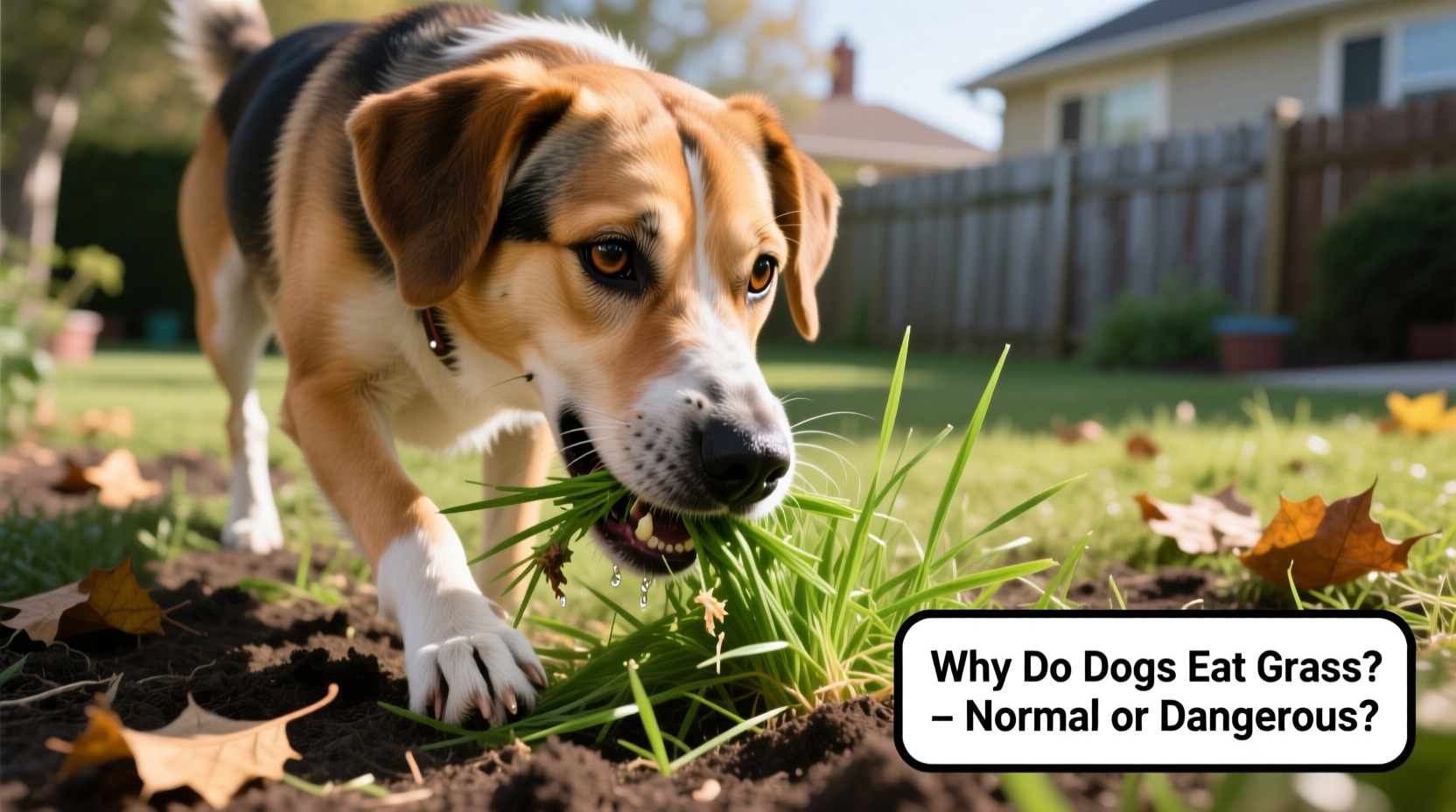
Dogs are classified as omnivores, though they lean heavily toward carnivorous traits. Their digestive systems can process plant matter to some degree, especially compared to obligate carnivores like cats. While meat forms the core of their diet, small amounts of vegetation—including grass—can pass through without issue.
One leading theory behind grass-eating is rooted in evolutionary biology. Wild canids such as wolves and coyotes often consume the stomach contents of herbivorous prey, which include partially digested plant material. This provided them with fiber, roughage, and even trace nutrients. Modern domestic dogs may retain a behavioral drive to ingest plant matter, even if their diets are nutritionally complete.
Another explanation involves gastrointestinal regulation. Some researchers believe dogs eat grass to induce vomiting when they feel unwell—though studies show most dogs don’t actually vomit after consuming grass. In fact, only about 25% of grass-eating dogs throw up afterward, according to Dr. Karen Sueda, a veterinary behaviorist at VCA Animal Hospitals.
“Grass eating is generally considered a normal behavior in dogs. It’s rarely linked to illness, and most dogs do it without any adverse effects.” — Dr. Karen Sueda, DVM, Veterinary Behaviorist
Is Eating Grass Dangerous for Dogs?
In most cases, no—eating grass is not dangerous. However, there are specific conditions under which grass consumption becomes a risk:
- Chemical-treated lawns: Herbicides, pesticides, and fertilizers used on residential lawns can be toxic when ingested. Even small exposures over time may lead to long-term health issues, including liver damage or cancer.
- Polluted environments: Grass near roadsides or industrial areas may contain heavy metals, oil residues, or other pollutants.
- Parasite exposure: Dogs that graze in areas contaminated with feces (especially from other animals) risk contracting intestinal parasites like roundworms or hookworms.
- Excessive consumption: If your dog is obsessively eating large quantities of grass or showing signs of distress, it could indicate an underlying medical condition such as inflammatory bowel disease, pica, or anxiety.
Common Reasons Dogs Eat Grass (And What They Mean)
Understanding why your dog eats grass helps determine whether intervention is needed. Here are the most frequently observed motivations:
1. Natural Instinct and Dietary Supplementation
Even well-fed dogs may seek out grass due to ancestral instincts. The act of chewing fibrous plants may aid digestion or help expel internal parasites—a survival mechanism still present in domestic breeds.
2. Upset Stomach or Nausea
Some dogs eat grass to trigger vomiting when they feel nauseous. While not all succeed, the texture and irritation caused by coarse blades can stimulate the gag reflex. Watch for signs like lip-licking, drooling, or pacing before grass-eating episodes.
3. Boredom or Anxiety
Behavioral causes are often overlooked. Dogs left alone for long periods or those suffering from separation anxiety may resort to grazing as a displacement behavior—an attempt to self-soothe or occupy themselves.
4. Hunger or Nutritional Gaps
If your dog’s food lacks sufficient fiber or micronutrients, they may instinctively seek alternative sources. While commercial kibble usually meets dietary standards, poor-quality brands may fall short in digestibility or ingredient balance.
5. Enjoyment or Taste Preference
Believe it or not, some dogs simply enjoy the taste or texture of fresh grass. Just like humans crave certain foods, dogs may develop preferences based on sensory experience.
“I’ve seen dogs who only eat grass in spring when new growth appears—tender, sweet, and juicy. It’s likely a seasonal treat for them.” — Dr. Emily Carter, Small Animal Veterinarian
When to Be Concerned: Red Flags to Monitor
While occasional grass consumption is typically benign, certain patterns warrant veterinary evaluation. Use the checklist below to assess your dog’s behavior:
Checklist: Signs That Grass-Eating May Be Problematic- Frequency: Dog eats grass daily or multiple times per day
- Urgency: Consumes grass rapidly, almost compulsively
- Vomiting: Regularly throws up after eating grass
- Diarrhea or lethargy accompanying grass-eating
- Changes in appetite or weight loss
- Other unusual behaviors: Excessive licking, whining, hiding
If several of these signs apply, schedule a vet visit. Your veterinarian may recommend blood work, fecal testing, or dietary adjustments to rule out conditions like gastrointestinal disorders, pancreatitis, or endocrine imbalances.
Safe Alternatives to Outdoor Grass
If you're uncomfortable with your dog eating unknown grass—or live in an urban environment where access is limited—providing a controlled alternative makes sense. Growing pet-safe indoor grass gives you peace of mind while satisfying your dog’s natural urge to graze.
| Type of Grass | Safety Level | Notes |
|---|---|---|
| Wheatgrass | High | Rich in chlorophyll and vitamins; easily grown at home |
| Oat grass | High | Mild flavor, gentle on digestion |
| Barley grass | Moderate | Nutrient-dense but may cause bloating in sensitive dogs |
| Lawn grass (unknown origin) | Low to Moderate | Risk of chemical exposure or contamination |
| Rye or fescue (common turf grasses) | Moderate | Generally safe if untreated, but low nutritional value |
To grow your own pet grass, follow this simple step-by-step guide:
Step-by-Step Guide: Grow Pet-Safe Grass at Home
- Choose seeds: Purchase organic wheatgrass, oat, or barley seeds labeled safe for pets.
- Prepare container: Use a shallow tray or pot with drainage holes. Fill with organic potting soil.
- Sow seeds: Spread seeds evenly across the surface and lightly cover with soil.
- Water gently: Mist daily until sprouts appear (usually within 3–7 days).
- Place in indirect light: Keep near a window but avoid direct sunburn.
- Harvest: Once grass reaches 4–6 inches tall, place it within your dog’s reach.
- Replace every 1–2 weeks: Discard when soiled or wilted; start a new batch.
Mini Case Study: Max, the Labrador Who Loved Lawn Time
Max, a 3-year-old yellow Labrador living in suburban Chicago, began eating grass aggressively every morning during walks. His owner, Sarah, noticed he’d gulp down large clumps and occasionally vomit shortly after. Concerned, she brought him to her veterinarian.
After a physical exam and fecal test (which came back negative), the vet asked about Max’s routine. Sarah revealed that Max was often left alone for eight hours while she worked and had recently stopped eating his breakfast unless hand-fed.
The diagnosis? Behavioral grass-eating driven by mild separation anxiety and possible hunger due to delayed feeding. The solution involved two changes: feeding Max a portion of his kibble before leaving and introducing puzzle toys to keep him occupied. Additionally, Sarah started growing wheatgrass on her windowsill.
Within three weeks, Max’s grass consumption decreased significantly. He still nibbled occasionally—but calmly, without urgency. No more vomiting. The case highlights how environmental and emotional factors can influence what seems like a purely physical habit.
Frequently Asked Questions
Should I stop my dog from eating grass?
Not necessarily. If the grass is clean and your dog shows no signs of illness, moderate grass-eating doesn’t need to be discouraged. However, intervene if the behavior becomes obsessive or occurs in unsafe areas.
Can eating grass cause worms?
Yes, but indirectly. Grass itself doesn’t contain worms. However, if it’s contaminated with infected animal feces, your dog could ingest parasite eggs (e.g., roundworms, hookworms). Regular deworming and avoiding public parks with poor sanitation reduce this risk.
Does eating grass mean my dog has a nutritional deficiency?
It’s unlikely if your dog eats high-quality commercial food. While fiber supplementation might help some individuals, most grass-eating dogs receive adequate nutrition. Always consult your vet before changing your dog’s diet.
Conclusion: Understanding, Not Fear
Dogs eat grass for a variety of reasons—many of which are completely normal. From instinctual drives to simple enjoyment, the behavior rarely signals danger. But as a conscientious pet owner, staying informed allows you to distinguish between harmless habits and warning signs.
Focus on prevention: provide safe alternatives, monitor frequency and context, and maintain open communication with your veterinarian. With thoughtful care, you can support your dog’s natural behaviors while ensuring their long-term health and happiness.
💬 Have a story about your dog and grass-eating? Share your experience in the comments—your insight could help another pet parent feel more confident.








