Dogs are creatures of habit, and many of their behaviors stem from deep-rooted instincts passed down through generations. One such behavior — circling before lying down — is so common that most dog owners barely notice it. Yet, when you pause to observe, it raises a natural question: Why do dogs perform this ritualistic spin? The answer lies at the intersection of evolution, survival instinct, physical comfort, and sometimes, health indicators. Understanding this behavior offers more than just curiosity satisfaction; it provides insight into your dog’s well-being and ancestral lineage.
The Evolutionary Roots of Circling Behavior
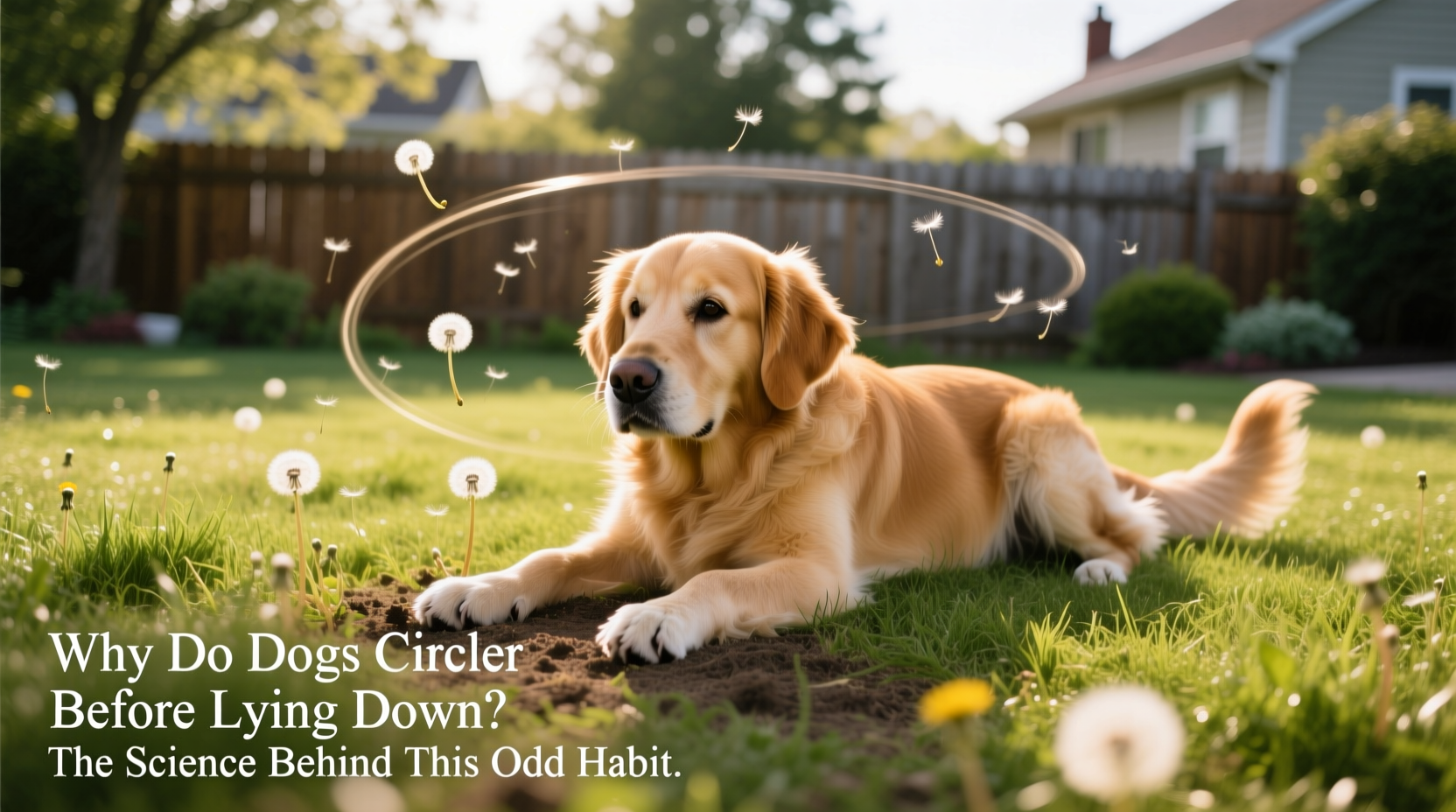
In the wild, canines didn’t have plush dog beds or climate-controlled homes. Their sleeping areas were often in open fields, forests, or rocky terrain — environments filled with potential hazards. Circling before settling down was not merely a quirk but a functional survival tactic.
Before domestication, wolves and other wild canids would trample down tall grass, snow, or brush to create a flat, safe surface. This flattened area served multiple purposes: it removed hidden pests like snakes or insects, exposed any sharp objects, and created a more comfortable resting spot. Additionally, the circular motion helped shape a small depression that could retain body heat during cold nights — an essential advantage in harsh climates.
This behavior has been preserved in modern dogs through genetic inheritance. Even though today’s pets sleep on orthopedic memory foam or heated pads, their DNA still carries the blueprint for these ancestral routines. As Dr. Karen Becker, a proactive and integrative wellness veterinarian, explains:
“Circling is hardwired into the canine psyche. It’s not about necessity anymore — it’s about instinct. Your dog may never have seen tall grass, yet he’ll still paw and turn as if preparing a bed in the wild.” — Dr. Karen Becker, DVM
This ingrained routine persists because it once conferred a survival benefit. In evolutionary terms, animals that took time to secure their resting place were less likely to be injured, bitten, or exposed to the elements — increasing their chances of living long enough to reproduce.
Physical Comfort and Positioning
Beyond instinct, circling serves a practical function related to physical comfort. Just as humans adjust pillows or tug at blankets before falling asleep, dogs use rotation to fine-tune their position.
When a dog circles, they’re assessing the ground beneath them — checking for softness, stability, and temperature. A quick spin allows them to detect uneven surfaces, pebbles, or damp spots that could cause discomfort later. By turning a few times, they redistribute pressure points and align their spine comfortably, especially important for older dogs with joint issues.
This adjustment phase also helps dogs mentally transition into rest mode. The repetitive motion acts as a behavioral cue that it’s time to relax, much like how humans might follow a bedtime routine involving brushing teeth or reading.
Tip: If your dog seems to struggle while circling — taking too long, limping, or showing hesitation — it could indicate joint pain or neurological concerns. Monitor closely and consult your vet if changes persist.Circling as a Safety and Territory Ritual
Dogs possess a highly developed sense of smell and spatial awareness. Before lying down, circling allows them to scan their surroundings visually and olfactorily. As they rotate, they gather information about nearby scents, sounds, and movements.
In ancestral settings, this 360-degree check ensured no predators were lurking nearby. Even in safe indoor environments, dogs continue this vigilance. The act of circling may help them identify the optimal orientation — facing a particular direction (e.g., toward a door or away from drafts) — that feels safest based on subtle environmental cues.
Additionally, dogs have scent glands in their paws. When they step and press into the ground during circling, they leave behind trace pheromones. While this marking is minimal compared to urine spraying, it subtly reinforces their claim over the space. In multi-dog households, dominant dogs may exhibit more pronounced circling patterns, effectively signaling ownership of a preferred resting spot.
When Circling Signals Health Concerns
While occasional circling is normal, excessive or obsessive spinning can indicate underlying medical issues. It's crucial for pet owners to recognize when this instinctive behavior crosses into problematic territory.
Neurological conditions such as canine cognitive dysfunction (similar to dementia in humans), vestibular disease, or brain tumors can manifest as repetitive circling — often in one direction only. Dogs experiencing anxiety, disorientation, or pain may also display abnormal pre-sleep rituals.
Key red flags include:
- Circling more than 5–6 times without settling
- Spinning in tight, continuous loops even when not preparing to lie down
- Vocalizing, panting, or appearing distressed during the process
- Sudden onset of circling in an older dog who previously didn’t do it
- Loss of balance or head tilt accompanying the behavior
If any of these signs appear, a veterinary evaluation is warranted. Diagnostic tools such as blood work, MRI scans, or neurological exams may be needed to rule out serious conditions.
“Repetitive circling in older dogs should never be dismissed as ‘just getting old.’ It could be the first sign of cognitive decline or inner ear disease — both treatable if caught early.” — Dr. John Wright, Veterinary Neurologist
Comparing Normal vs. Abnormal Circling: A Quick Reference Table
| Aspect | Normal Circling | Abnormal Circling |
|---|---|---|
| Frequency | 1–4 spins before lying down | Repeated spinning, multiple attempts to settle |
| Duration | Brief (under 30 seconds) | Prolonged (over a minute), ongoing even after lying down |
| Direction | May vary between left and right | Consistent one-directional circling (e.g., always clockwise) |
| Behavior After | Settles calmly, falls asleep | Restless, gets up repeatedly, appears anxious |
| Age of Onset | Present since puppyhood or intermittently | Newly developed, especially in senior dogs (7+ years) |
A Real-Life Example: Bella the Border Collie
Bella, a 9-year-old Border Collie, had always circled once or twice before lying down. Her owner, Maria, considered it a harmless quirk. But over several weeks, Maria noticed Bella began making seven or eight rotations — sometimes more — before finally collapsing onto her side. She also started whining mid-spin and avoided her favorite rug entirely.
Concerned, Maria took Bella to the vet. After a thorough examination, including a neurological assessment, the veterinarian diagnosed early-stage canine cognitive dysfunction (CCD). While there was no cure, a combination of a specialized diet rich in antioxidants, mental enrichment exercises, and a low-dose medication regimen helped slow the progression.
Within two months, Bella’s circling decreased significantly. More importantly, her overall quality of life improved. This case underscores the importance of paying attention to behavioral shifts — even ones that seem minor at first glance.
Actionable Checklist: Monitoring and Supporting Healthy Circling Behavior
To ensure your dog’s circling remains within the normal range and doesn’t signal deeper issues, follow this practical checklist:
- Observe frequency: Count how many times your dog circles before lying down. Note any sudden increases.
- Check for pain signs: Watch for stiffness, limping, or reluctance to lie down after circling.
- Assess the environment: Ensure bedding is supportive and free of irritants. Consider orthopedic mats for older dogs.
- Monitor directional patterns: Consistent one-way spinning may point to neurological imbalance.
- Track changes over time: Keep a brief journal or use a pet health app to log unusual behaviors.
- Schedule regular vet visits: Annual checkups are vital, especially for dogs over 7 years old.
- Provide mental stimulation: Puzzle toys and training games support cognitive health and reduce anxiety-related behaviors.
Frequently Asked Questions
Is it normal for puppies to circle before lying down?
Yes, it’s completely normal. Puppies often begin exhibiting this behavior as early as 8–10 weeks of age. It’s part of their developing motor coordination and instinctual routine. As long as the circling is brief and followed by relaxation, there’s no cause for concern.
Can anxiety cause excessive circling?
Absolutely. Dogs with separation anxiety, noise phobias, or environmental stressors may engage in compulsive behaviors, including repetitive circling. This type of circling is often accompanied by pacing, panting, or inability to settle. Behavioral modification techniques and, in some cases, anti-anxiety medication prescribed by a vet can help manage the condition.
Should I stop my dog from circling?
No — unless the behavior becomes obsessive or harmful. Circling is a natural, self-soothing action. Interrupting it may increase stress. Instead, allow your dog the space and time to complete their routine. If it escalates into compulsion, seek professional guidance from a veterinarian or certified animal behaviorist.
Conclusion: Respecting Instinct, Recognizing Warning Signs
The simple act of a dog circling before lying down is far more meaningful than it appears. It’s a living echo of ancient survival strategies, refined over millennia to ensure safety, comfort, and territorial awareness. For most dogs, it’s a harmless, almost poetic gesture — a final confirmation that all is well before surrendering to sleep.
Yet, as responsible pet owners, we must learn to distinguish between instinct and indication. When circling shifts from ritual to repetition, it becomes a language of its own — one that speaks of discomfort, confusion, or illness. By observing closely, acting promptly, and partnering with veterinary professionals, we honor not just our dogs’ past, but their present well-being.
💬 Have you noticed changes in your dog’s circling habits? Share your experiences in the comments — your story could help another pet parent recognize a subtle warning sign early.








