Cats are enigmatic creatures, and few behaviors fascinate humans more than their purring. Often associated with comfort and affection, a cat’s purr seems like a simple sign of happiness. But science and observation reveal a far more complex reality. Purring isn't just a sound of contentment—it can signal pain, stress, or even self-healing. Understanding the full spectrum of feline purring helps deepen the bond between cats and their caregivers while improving how we respond to their needs.
The Science Behind the Purr
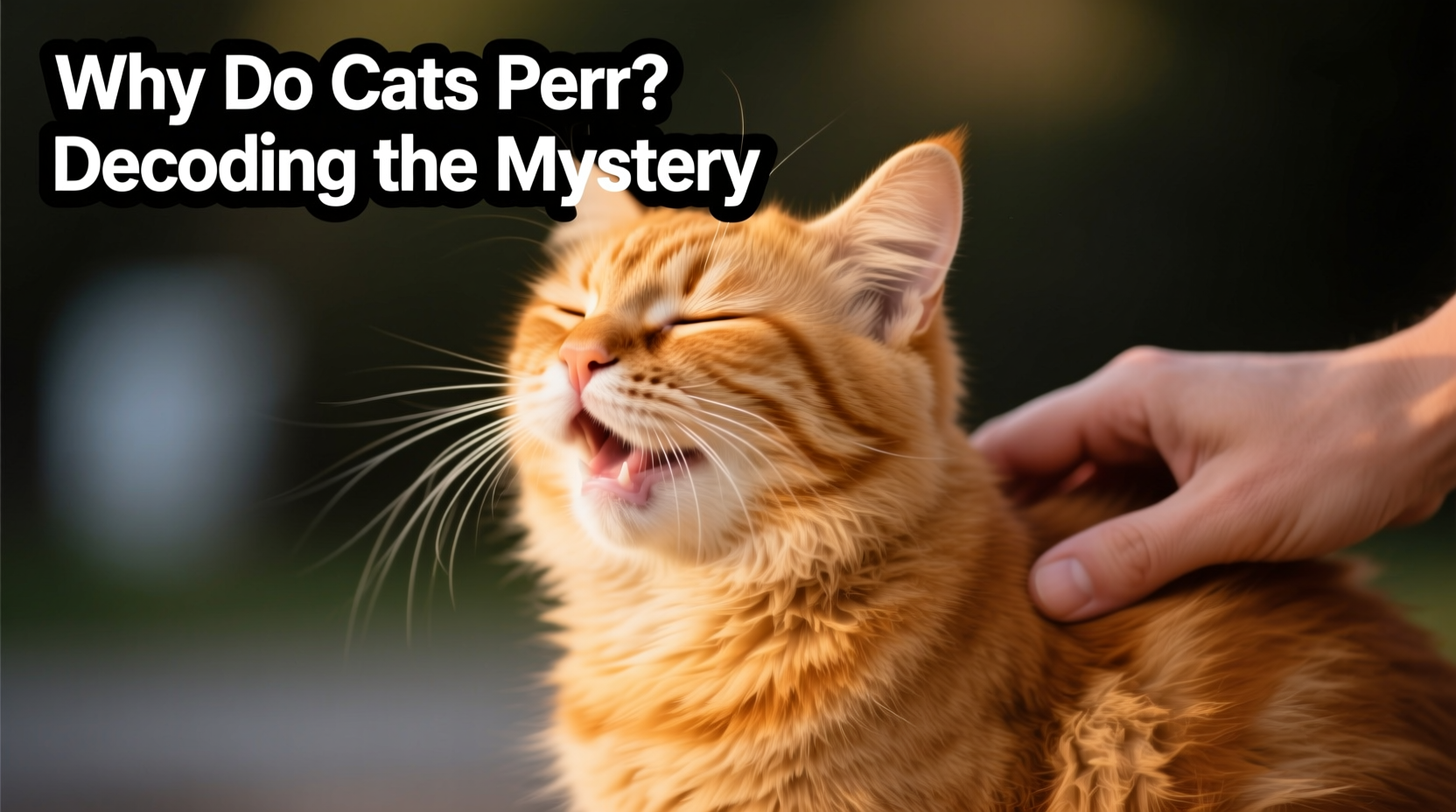
Purring is produced by rapid contractions of the laryngeal muscles and diaphragm, creating vibrations at frequencies between 25 and 150 Hz. These low-frequency vibrations occur during both inhalation and exhalation, resulting in the continuous rumbling sound we recognize. Unlike vocalizations such as meowing or hissing, purring originates deep within the cat’s neuromuscular system and is controlled by a neural oscillator in the brain.
Interestingly, domestic cats aren’t the only species that purr. Some wild relatives—like cheetahs and pumas—also purr, though larger cats such as lions and tigers cannot due to differences in their hyoid bone structure. This suggests that purring evolved early in feline development, likely serving multiple biological functions beyond mere communication.
“Purring may be one of nature’s most underappreciated healing mechanisms. The frequency range overlaps with therapeutic ultrasound used in human medicine.” — Dr. Elizabeth Stelow, Veterinary Behaviorist, UC Davis School of Veterinary Medicine
Why Do Cats Purr? Beyond Contentment
While most people associate purring with relaxation—such as when a cat curls up on a lap—the behavior occurs in many other contexts, some counterintuitive:
- When nursing: Kittens begin purring within days of birth, signaling to their mother that they’re feeding well.
- During labor: Mother cats often purr while giving birth, possibly to manage pain or keep kittens calm.
- In stressful situations: Cats may purr at the vet clinic, during travel, or after injury.
- When ill or injured: Purring has been observed in cats recovering from surgery or suffering fractures.
This wide behavioral range indicates that purring serves both social and physiological roles. It communicates safety to others while potentially aiding the cat’s own recovery process.
Tip: Don’t assume a purring cat is always relaxed. Observe body language—flattened ears, tense posture, or dilated pupils may indicate discomfort despite the purr.The Healing Power of Purring Frequencies
Research shows that vibrations in the 25–150 Hz range stimulate tissue regeneration, reduce swelling, and promote bone density. These frequencies coincide remarkably with those used in medical therapies for fracture healing, muscle repair, and pain relief. Scientists hypothesize that cats evolved to purr at these frequencies as a form of natural therapy.
Studies have demonstrated that regular exposure to purring-range vibrations can:
- Accelerate wound healing
- Improve joint mobility
- Reduce chronic pain perception
- Enhance respiratory function
This self-soothing mechanism may explain why cats often recover faster from injuries than other animals of similar size. Even broken bones show signs of quicker callus formation in purring cats.
| Purring Frequency (Hz) | Biological Effect |
|---|---|
| 25–50 | Pain relief, endorphin release |
| 50–100 | Bone growth stimulation |
| 100–150 | Muscle and tendon repair |
| Around 137 | Reported to improve breathing in cats with respiratory distress |
Social Communication Through Purring
Cats also use purring strategically to communicate with humans and other animals. A distinct type known as the “solicitation purr” combines a standard purr with a high-pitched cry embedded within—similar to a human baby’s wail. This version is particularly effective at capturing human attention and is often used when a cat wants food or interaction.
Researchers at the University of Sussex found that this urgent-sounding purr activates emotional centers in the human brain more strongly than regular purring, making it harder to ignore. It’s an evolutionary adaptation that exploits our innate sensitivity to infant-like sounds.
In multi-cat households, purring can serve as a peace signal. A submissive cat may purr when approached by a dominant one, reducing tension and preventing conflict. Similarly, mother cats purr to reassure kittens, reinforcing bonding and safety.
Mini Case Study: Bella the Shelter Cat
Bella, a three-year-old domestic shorthair, arrived at a local shelter severely underweight and anxious. Despite her condition, she purred constantly—even during examinations. Staff initially assumed she was adjusting well, but closer observation revealed tense body posture and avoidance behaviors.
After being placed in a quiet room with minimal stimuli, Bella’s purring decreased significantly over 48 hours, replaced by normal grooming and exploration. The shelter veterinarian explained that her earlier purring was likely a coping mechanism—a way to self-soothe in a frightening environment. Once safe, she no longer needed that constant vibration for emotional regulation.
This case highlights the importance of interpreting purring in context. What looks like happiness might actually be stress resilience in action.
How to Respond to Your Cat’s Purring
Understanding the reason behind your cat’s purr allows you to respond appropriately. Here’s a step-by-step guide to assessing and acting on different types of purring:
- Observe the situation: Is your cat being petted, resting, or in an unfamiliar place?
- Check body language: Look for tail position, ear orientation, eye dilation, and muscle tension.
- Note the sound quality: Is it a smooth, rhythmic purr or a strained, high-pitched one?
- Assess recent changes: Has there been illness, trauma, or environmental disruption?
- Respond accordingly: Offer comfort if stressed; respect boundaries if overstimulated; consult a vet if purring persists without obvious cause.
- ✅ Relaxed body, slow blinking, kneading = likely contentment
- ✅ Hiding while purring, flattened ears, tucked tail = possible anxiety
- ✅ Purring during handling but trying to escape = discomfort masked by soothing behavior
- ✅ New onset of constant purring with reduced activity = potential health issue
- ✅ Combines purr with meowing or crying = solicitation or distress signal
Frequently Asked Questions
Can cats control when they purr?
Yes, cats have voluntary control over their purring, though it can also occur reflexively in response to pain or fear. They choose when to initiate and stop the sound, suggesting it’s both instinctive and intentional depending on context.
Do all cats purr the same way?
No. Each cat has a unique purr “fingerprint” in terms of volume, pitch, and rhythm. Some purr softly, others loudly. Some only when touched, others continuously when awake. Breed, age, and individual temperament influence purring patterns.
Should I be worried if my cat stops purring?
Not necessarily. Some cats rarely purr regardless of health. However, if a normally vocal cat suddenly stops purring—and shows lethargy, appetite loss, or hiding behavior—it could indicate illness. Monitor closely and consult your vet if concerned.
Conclusion: Listening Beyond the Sound
Purring is one of the most misunderstood behaviors in the feline world. Far more than a sign of bliss, it’s a multifaceted tool for survival, healing, and communication. By learning to interpret the nuances behind your cat’s purr, you gain insight into their emotional and physical state, allowing for better care and stronger companionship.
💬 What does your cat’s purr mean? Pay attention to the next time your cat purrs—what’s happening around them? Share your observations in the comments and help fellow cat lovers decode this beautiful mystery together.








