Cats are often seen as enigmatic companions—affectionate on their own terms, selective in their attention, and deeply expressive in subtle ways. One of the most common yet misunderstood behaviors is a cat leaning into a human hand for a face rub. This seemingly simple gesture carries layers of biological instinct, emotional signaling, and social bonding. Understanding why cats enjoy facial rubbing offers insight not only into their sensory world but also into the depth of the relationship they share with their humans.
The Science Behind Facial Scent Marking
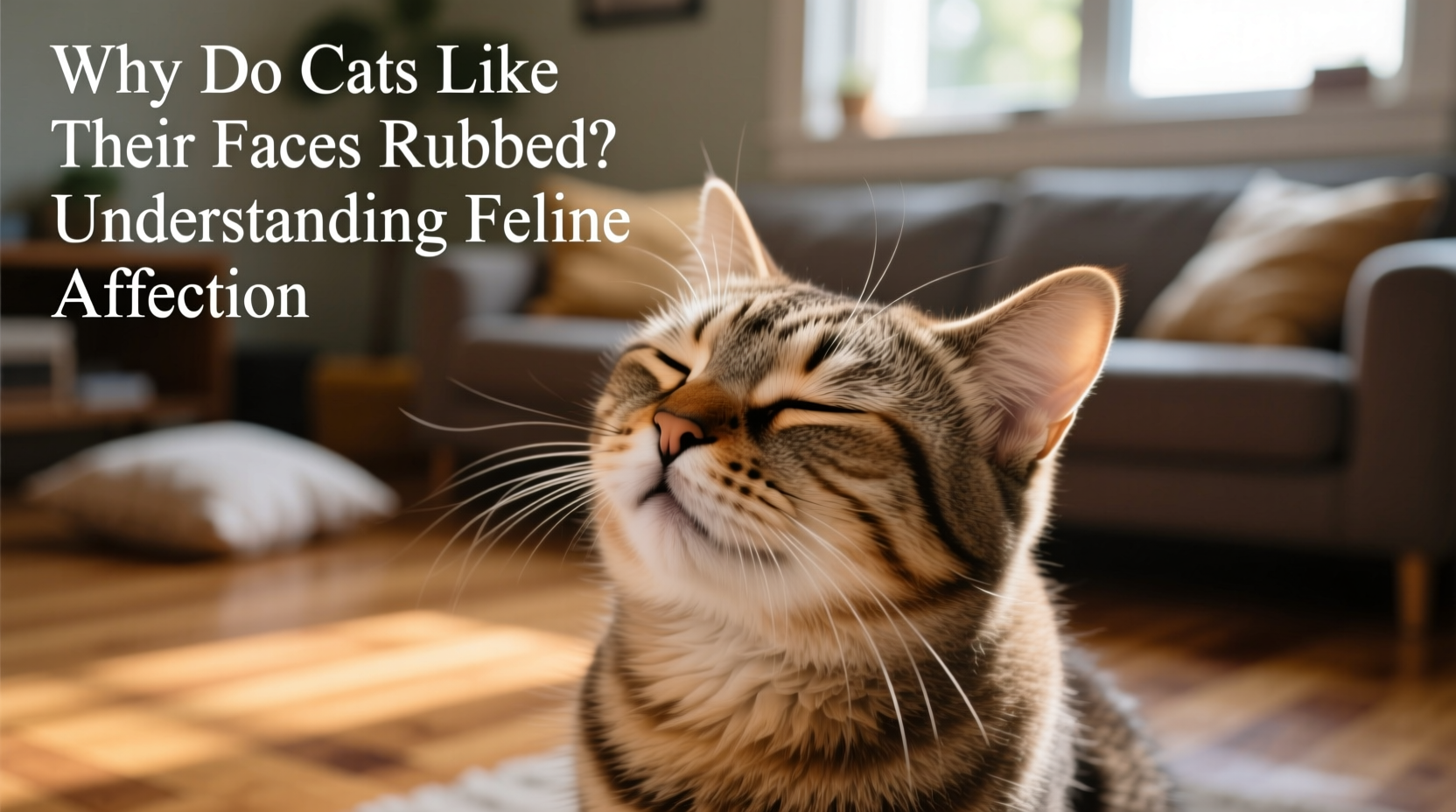
Cats possess scent glands concentrated around their cheeks, chin, forehead, and lips. When a cat rubs its face against objects—or people—it’s depositing pheromones, chemical signals that communicate familiarity and safety. This behavior, known as bunting, is a form of olfactory communication used to mark territory in a non-aggressive way.
In multi-cat households, bunting helps establish a communal scent profile, reducing tension by signaling that all members belong to the same social group. When your cat rubs your hand or cheek, it’s integrating you into its trusted circle. The act is both territorial and intimate—an invitation to be part of its inner world.
“Cats don’t just recognize us by sight or sound; they identify us through scent. When a cat rubs its face on you, it’s saying, ‘You’re mine, and I trust you.’” — Dr. Sarah Ellis, Feline Behavior Specialist, University of LincolnTip: Respond gently to face-rubbing by slowly stroking the sides of the cheeks or under the chin—avoid touching the ears or tail unless invited.
How Touch Relates to Early Kittenhood
The preference for facial contact begins early in life. Kittens are stimulated by their mother’s licking and nuzzling around the face and head, which encourages breathing, circulation, and bonding. These tactile experiences imprint a lasting association between gentle touch and comfort.
As adults, cats may seek similar sensations when they solicit face rubs. The rhythmic pressure mimics maternal grooming, triggering feelings of security and relaxation. This explains why many cats close their eyes, purr, or tilt their heads during interaction—their nervous system interprets the touch as nurturing rather than intrusive.
It's important to note that not all cats respond the same way. Early socialization plays a critical role. Cats handled gently during the first seven weeks of life are more likely to enjoy human touch later on, while those with limited positive contact may remain cautious or indifferent.
Reading Your Cat’s Body Language
While many cats enjoy being touched on the face, each has unique preferences. Recognizing signs of pleasure versus discomfort ensures interactions remain positive and stress-free.
| Sign of Enjoyment | Sign of Discomfort |
|---|---|
| Purring or slow blinking | Flattened ears |
| Head pressing into your hand | Swishing tail |
| Kneading with paws | Turning head away abruptly |
| Dilated pupils (in relaxed context) | Hissing or growling |
Always initiate contact slowly and observe your cat’s response. If it leans in, continues purring, or blinks softly, continue gently. If any sign of tension appears, pause and give space. Respecting boundaries builds long-term trust.
A Real-Life Example: Building Trust with a Rescue Cat
Maria adopted Luna, a three-year-old domestic shorthair found wandering near a warehouse. Initially, Luna avoided all physical contact, darting away when approached. Over several weeks, Maria began sitting quietly nearby, offering soft-spoken reassurance without reaching out.
One evening, Luna cautiously approached and briefly brushed her cheek against Maria’s knee before retreating. Recognizing this as an attempt at bunting, Maria responded by slowly extending her hand, letting Luna sniff and initiate further contact. Within days, Luna began seeking face rubs daily, eventually rolling onto her back for belly exposure—a high-level trust signal.
This progression illustrates how face rubbing can serve as a bridge from fear to attachment, especially when guided by patience and observation.
The Role of Pheromone Diffusers and Synthetic Comfort
Understanding the importance of facial pheromones has led to innovations in feline well-being. Commercial products like synthetic feline facial pheromone diffusers (e.g., Feliway) mimic the calming scents cats produce when bunting. These are often used to reduce stress during travel, vet visits, or household changes.
Interestingly, some cats will rub their faces more frequently on furniture near a diffuser, suggesting they perceive the area as safer. This reinforces the idea that facial rubbing isn't merely habitual—it's emotionally regulatory. When your cat chooses to rub your face, it may be self-soothing as much as marking you.
Tip: If your cat seems anxious after moving homes, consider using a pheromone diffuser in shared spaces to help ease transitions.Step-by-Step Guide to Bonding Through Gentle Touch
Bonding with your cat through facial interaction requires consistency and sensitivity. Follow these steps to nurture a deeper connection:
- Observe First: Watch when your cat naturally engages in bunting behavior—on furniture, other pets, or your legs.
- Invite Contact: Extend your hand slowly, letting your cat approach at its own pace.
- Target the Right Spots: Focus on the base of the ears, under the chin, and along the cheeks—areas rich in scent glands.
- Keep Sessions Short: Begin with 5–10 seconds and gradually increase based on response.
- End Positively: Stop before your cat shows any sign of overstimulation, even if it seems engaged.
- Repeat Daily: Consistency reinforces trust and strengthens your bond over time.
Common Misconceptions About Cat Affection
- Myth: Cats only rub for food or treats.
Reality: While operant conditioning exists, bunting occurs even without rewards, indicating intrinsic social motivation. - Myth: All cats enjoy being petted on the head.
Reality: Many cats dislike direct head pats; cheek and chin strokes are usually preferred. - Myth: A cat that doesn’t rub is unaffectionate.
Reality: Some cats express love through following, chirping, or sleeping nearby—not all use physical marking.
FAQ
Why does my cat rub its face on everything?
Your cat is leaving its scent to create a familiar environment. Objects, walls, and furniture marked with its pheromones feel safer and more predictable, reducing anxiety in its territory.
Can I initiate a face rub, or should I wait for my cat?
You can gently offer your hand, but always allow your cat to make the final move. Forcing contact—even with good intentions—can erode trust. Letting them control the interaction fosters mutual respect.
Do cats choose favorite people to rub against?
Yes. Cats typically reserve face rubbing for individuals they associate with safety, routine care, and positive experiences. Being “chosen” is a significant sign of emotional attachment.
Checklist: Signs Your Cat Feels Safe and Affectionate
- ✅ Slow blinks when making eye contact
- ✅ Frequent cheek rubbing on you or furniture
- ✅ Purring during quiet interactions
- ✅ Sleeping near or on you
- ✅ Grooming themselves in your presence
- ✅ Bringing toys or “gifts” to you
- ✅ Head-butting or bunting your hands or legs
Conclusion: Deepening the Human-Cat Connection
The next time your cat nudges your hand for a face rub, remember—you’re receiving a quiet declaration of trust. This small gesture reflects millennia of evolutionary behavior, early bonding experiences, and emotional intelligence. By responding with awareness and gentleness, you reinforce a relationship built on mutual respect and quiet affection.
💬 Have a story about how your cat shows affection? Share your experience in the comments and connect with fellow cat lovers who cherish these subtle, meaningful moments.








