Many cat owners have noticed dark speckles or patches on their feline’s tongue and wondered: Is this normal? Should I be concerned? The short answer is yes—black spots on a cat’s tongue are typically harmless and quite common, especially in certain breeds. These pigmented areas are not usually a sign of illness but rather a natural expression of genetics. However, understanding the difference between benign pigmentation and potential health concerns is essential for responsible pet care.
This article explores the science behind these mysterious spots, identifies which cats are more likely to have them, and provides guidance on when to seek veterinary advice. Whether you’ve just adopted a new kitten or shared your home with a senior cat for years, recognizing what’s normal can help you make informed decisions about their well-being.
Understanding Feline Tongue Pigmentation
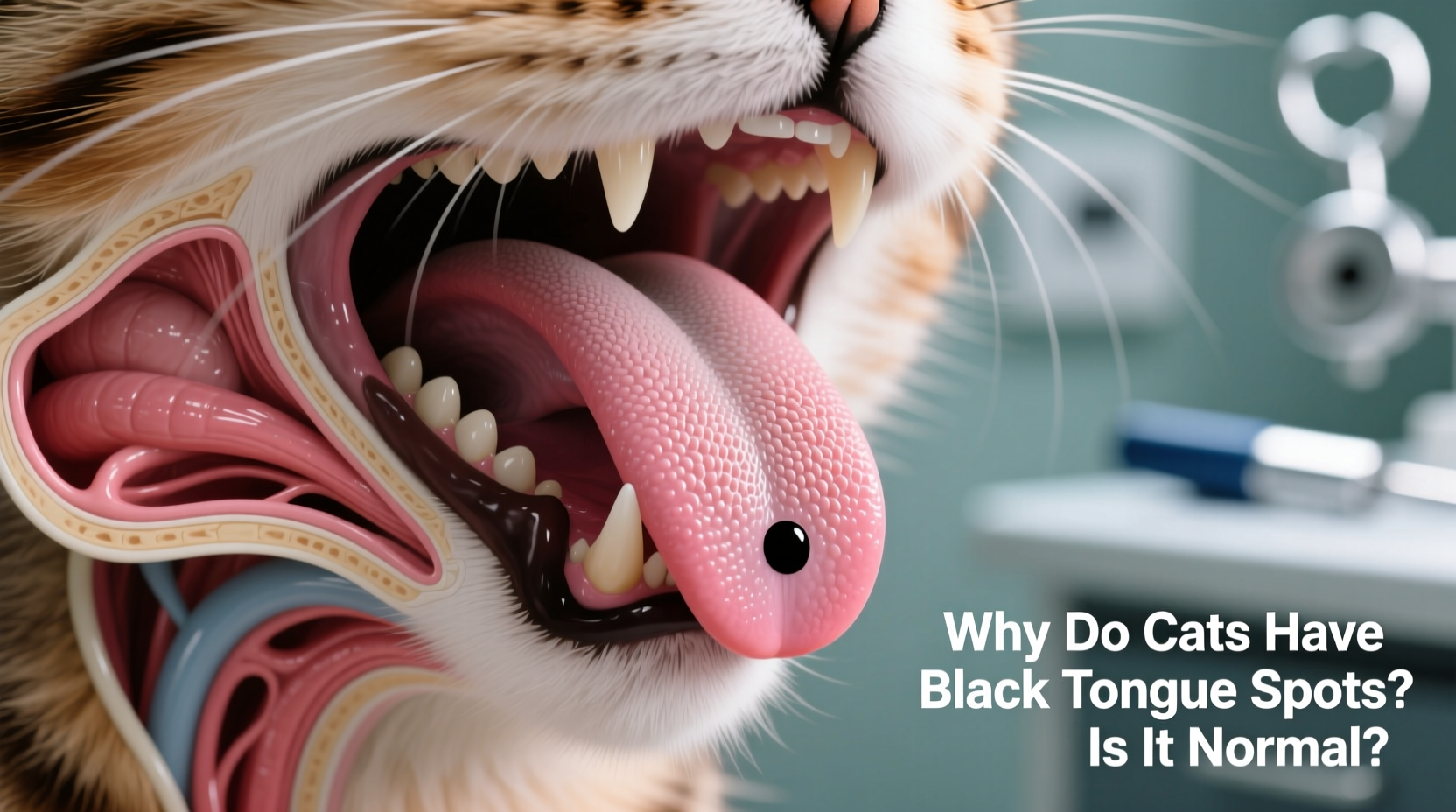
The presence of black or dark gray spots on a cat’s tongue is primarily due to increased melanin production in localized areas. Melanin is the same pigment responsible for skin, hair, and eye color in both humans and animals. In cats, clusters of melanocytes—the cells that produce melanin—can form concentrated patches, resulting in visible spots.
These spots often appear flat, smooth, and well-defined, similar in texture to the rest of the tongue. They may be present from a young age or develop gradually as the cat matures. Most commonly, they’re found along the sides or back of the tongue and don’t cause discomfort or interfere with eating, grooming, or vocalization.
Unlike sudden lesions or growths, these pigmented areas tend to remain stable over time. Their color doesn’t change dramatically, and they don’t bleed, ulcerate, or become inflamed under normal circumstances. This consistency is one key indicator that the spot is benign rather than pathological.
Tip: Regularly check your cat’s mouth during grooming or feeding times to monitor any changes in pigmentation or texture.Genetic Factors Behind Black Tongue Spots
Pigmentation patterns in cats are largely determined by genetics. Certain coat colors and patterns are strongly associated with higher levels of melanin, which also influences oral pigmentation. For example, cats with darker fur—especially those with tabby markings, seal points, or tortoiseshell coats—are more likely to exhibit black spots on their tongues.
The gene responsible for dense pigment distribution, known as the *melanistic* gene, plays a significant role. This gene doesn’t just affect fur; it can also lead to hyperpigmentation in mucous membranes such as the lips, gums, nose, and tongue. It’s particularly prevalent in breeds like the Siamese, Burmese, Oriental Shorthair, and some mixed-breed domestic shorthairs.
In fact, studies suggest that up to 30% of cats with pointed coat patterns (like Siamese) display some degree of lingual melanosis—medical terminology for dark pigmentation on the tongue. This trait is considered a normal variation, much like freckles or birthmarks in humans.
“Oral pigmentation in cats is usually genetic and completely benign. We see it most often in breeds with high melanin expression.” — Dr. Laura Henderson, DVM, Feline Dermatology Specialist
When Black Spots Might Signal a Problem
While most tongue spots are harmless, there are exceptions. Sudden changes in size, shape, color, or texture should prompt a closer look. Not all dark spots are caused by genetics—some may indicate underlying medical conditions such as oral melanoma, fungal infections, or trauma-related discoloration.
Oral melanomas, though rare, are aggressive tumors that can appear as dark masses in the mouth. Unlike genetic pigmentation, these grow rapidly, may bleed, and often cause symptoms like drooling, bad breath, difficulty chewing, or weight loss. Early detection significantly improves treatment outcomes.
Fungal infections like Malassezia or bacterial overgrowth can also lead to discoloration, especially if accompanied by inflammation or plaque buildup. Additionally, burns from hot food or electrical cords can result in temporary darkening of tissue as part of the healing process.
Red Flags That Warrant Veterinary Attention
- Newly appeared spots after adulthood
- Rapid increase in size or number of spots
- Ulceration, bleeding, or foul odor
- Pain while eating or excessive drooling
- Lumps or raised areas instead of flat pigmentation
| Feature | Normal Pigmentation | Potential Health Issue |
|---|---|---|
| Onset | Present early in life or develops slowly | Sudden appearance in adult or senior cats |
| Texture | Smooth, flush with tongue surface | Raised, lumpy, or irregular |
| Color Stability | Consistent over time | Changes in hue or spreads quickly |
| Symptoms | None – cat eats and grooms normally | Drooling, bad breath, appetite loss |
| Location | Typically on sides or rear of tongue | May extend into gums, palate, or throat |
Real-Life Example: Bella the Tortoiseshell Cat
Bella, a 4-year-old domestic tortoiseshell, had always sported small black specks on her tongue. Her owner, Maria, first noticed them when Bella was six months old and assumed they were dirt. After a routine vet visit, the veterinarian confirmed the spots were benign pigmentation linked to her mottled coat pattern.
Two years later, Maria observed a new, larger spot near the base of Bella’s tongue. Concerned, she scheduled an appointment. Upon examination, the vet noted the new spot was slightly raised and recommended a biopsy. Results showed early-stage melanocytic hyperplasia—an abnormal but non-cancerous cell proliferation. With close monitoring and dietary adjustments to support immune health, Bella remained stable without further intervention.
This case highlights the importance of tracking changes—even in cats with known pigmentation. What starts as normal can evolve, and vigilance pays off.
How to Monitor Your Cat’s Oral Health at Home
Regular observation is one of the best ways to ensure your cat stays healthy. Since cats rarely show obvious signs of pain until conditions worsen, proactive checks can catch issues before they escalate.
A simple weekly inspection takes only a few moments. Gently lift your cat’s lips and peer inside the mouth. Use a flashlight if needed. Look at the gums (which should be pink), teeth (free of heavy tartar), and tongue (checking for symmetry, sores, or new spots).
- Choose a calm moment – after napping or during cuddle time.
- Offer a treat to encourage mouth opening.
- Use your finger or a cotton swab to gently press the side of the tongue for a better view.
- Note any changes in color, texture, or behavior related to eating.
- Document findings with notes or photos to track progression.
Checklist: Signs to Watch For Between Vet Visits
- ✅ Smooth, flat black spots unchanged for months or years
- ❌ New spots appearing suddenly
- ❌ Spot growing larger or changing color
- ❌ Difficulty chewing dry food
- ❌ Excessive pawing at the mouth
- ❌ Persistent bad breath or bloody saliva
- ✅ No behavioral changes – normal grooming and vocalization
Frequently Asked Questions
Are black spots on a cat’s tongue contagious?
No, these spots are not contagious. They are either genetic or the result of individual physiological factors. You cannot “catch” them, nor can other pets in the household develop them simply through contact.
Do all black-spotted cats have the same risk of oral cancer?
No. Having pigmented spots does not increase the likelihood of developing oral cancer. However, because melanomas can appear dark, they may be mistaken for benign spots. That’s why monitoring changes—not just presence—is critical.
Can kittens be born with black tongue spots?
Some kittens may show faint spotting at birth, but pigmentation often becomes more pronounced between 3 to 12 months of age. If spots appear later in life—after two years—it’s wise to have them evaluated.
Supporting Your Cat’s Overall Oral Health
Beyond pigmentation, maintaining good oral hygiene supports long-term wellness. Dental disease affects over 70% of cats by age three and can contribute to systemic issues like heart and kidney problems.
Diet plays a role. Dry kibble can help reduce plaque, though not all brands are equally effective. Consider veterinary-approved dental diets or treats designed to minimize tartar buildup. Water additives containing chlorhexidine can also support oral flora balance.
Professional cleanings under anesthesia are sometimes necessary, especially if gingivitis or periodontal disease develops. These procedures allow vets to examine beneath the gumline and address hidden issues before they advance.
“Prevention is always better than treatment. A healthy mouth means a healthier cat overall.” — Dr. Raj Mehta, Board-Certified Veterinary Dentist
Conclusion: Knowledge Empowers Better Care
Black spots on a cat’s tongue are generally normal, especially in cats with dark or patterned coats. Rooted in genetics, these markings are akin to freckles—unique, harmless, and often lifelong. But like any aspect of health, context matters. Knowing what’s typical for your cat enables you to recognize when something isn’t.
By staying observant, performing routine checks, and partnering with your veterinarian, you can ensure your feline companion remains comfortable and healthy. Don’t ignore changes out of hope they’ll resolve on their own. At the same time, avoid unnecessary worry over stable, longstanding features.
💬 Have you noticed black spots on your cat’s tongue? Share your experience or ask questions in the comments—your insights could help another pet owner feel more confident in caring for their furry friend.








