Birdsong is one of nature’s most comforting rhythms—a dawn chorus that signals peace, continuity, and life in balance. So when birds abruptly fall silent, the shift can feel unsettling, even eerie. This sudden stillness isn’t random. It carries messages from the natural world, rooted in biology, behavior, and environmental cues. Whether you're a backyard observer, a hiker, or simply someone who pauses at the sound of a sparrow’s call, understanding why birds stop singing reveals deeper insights into ecosystems, animal instincts, and subtle warnings we often overlook.
This article explores the scientific, ecological, and symbolic dimensions of bird silence. From predator alerts to weather shifts and seasonal patterns, we’ll unpack what triggers this phenomenon and how attentive observation can deepen our connection to the natural world.
The Biology of Birdsong: Why Birds Chirp in the First Place
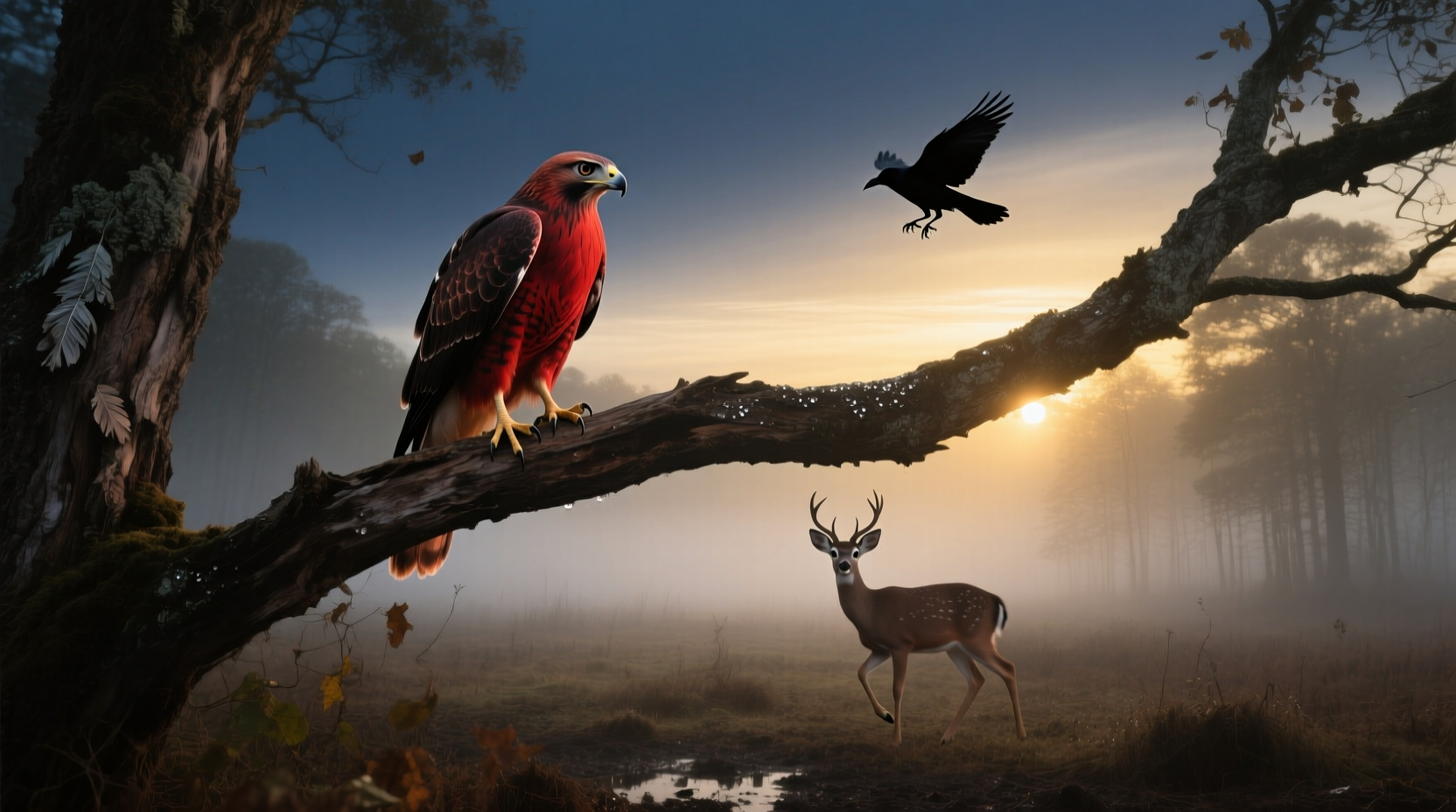
Bird vocalizations serve multiple essential functions. Singing isn’t merely aesthetic—it’s a survival tool. Male birds, especially during breeding season, use song to establish territory and attract mates. The complexity, frequency, and volume of their calls reflect health, fitness, and dominance. Females often choose partners based on song quality, making it a crucial component of reproductive success.
Beyond mating, birds use alarm calls—short, sharp notes—to warn others of danger. These differ significantly from melodic songs. A chickadee’s “chick-a-dee-dee-dee” intensifies with threat level; more “dees” mean higher danger. Similarly, a robin’s abrupt scold call can signal a prowling cat or hawk overhead.
Daily patterns also influence chirping. Most songbirds are diurnal, peaking in vocal activity during early morning (the dawn chorus) and late afternoon. This timing aligns with optimal acoustic conditions—cooler air carries sound farther—and reduced wind interference. As daylight fades, so does singing, giving way to quiet vigilance.
“Birdsong is not background noise. It’s a complex communication network. When it stops, something in that network has been disrupted.” — Dr. Alan Finch, Behavioral Ornithologist, Cornell Lab of Ornithology
Immediate Causes of Sudden Silence
Absence of birdsong rarely means birds have vanished. More often, they’ve gone quiet for urgent reasons. Here are the most common immediate triggers:
- Predator presence: Hawks, cats, or snakes trigger instant silence. Birds freeze or emit alarm calls before retreating into cover. This response is instinctive and nearly universal across species.
- Weather changes: Birds sense barometric pressure drops before storms. As winds pick up or skies darken, many cease singing and seek shelter. Thunder, heavy rain, or sudden cold snaps suppress vocal activity.
- Human disturbance: Loud noises, construction, or sudden movements disrupt normal behavior. Even distant lawnmowers or barking dogs can cause temporary silencing.
- Feeding or resting periods: After dawn chorus, birds focus on foraging. During midday heat or fatigue, vocalizations decrease as energy is redirected toward survival tasks.
Seasonal and Environmental Shifts Behind the Quiet
Beyond momentary causes, broader cycles govern avian vocal activity. Recognizing these helps distinguish normal lulls from concerning absences.
Molting season, typically late summer, reduces singing. Birds conserve energy while replacing feathers, becoming less active and more secretive to avoid predators during this vulnerable phase.
Post-breeding dispersal sees juveniles leaving nests and adults reducing territorial defense. With mating complete, the need for loud proclamation diminishes. You might still see birds, but hear far fewer songs.
Migration dramatically alters local soundscapes. In late summer and early fall, many songbirds depart for warmer climates. What feels like sudden silence may actually be the departure of entire populations—warblers, thrushes, tanagers—leaving behind quieter resident species like sparrows or cardinals.
Long-term environmental stressors also play a role. Habitat loss, pesticide use, and climate change have contributed to steep declines in bird populations. The North American bird count has dropped by nearly 3 billion since 1970, according to the *State of the Birds* report. In some regions, true silence—no birds at all—is becoming more common.
Real Example: The Suburban Backyard Observation
In suburban Maryland, homeowner Lisa Tran noticed her usual morning symphony of cardinals, finches, and wrens disappeared over three days in mid-July. No signs of injury or death. Then she recalled installing a motion-sensor security light under her eaves—right near a known nesting site. After turning it off at night, chirping resumed within 48 hours. Light pollution disrupted nesting birds’ circadian rhythms, causing stress-induced silence. Her experience illustrates how human modifications—even small ones—can silently reshape wildlife behavior.
Symbolic and Cultural Interpretations of Bird Silence
Beyond biology, bird silence holds symbolic weight across cultures. In folklore and literature, the abrupt end of birdsong often foreshadows change, danger, or transition.
In Celtic traditions, a sudden hush among birds was believed to precede supernatural events or the passage of spirits. Japanese haiku poets used silence after birdsong (*ma*) to evoke emotional depth and impermanence. Native American teachings often interpret animal behavior as direct messages from nature—silence being a call to listen more closely, not just with ears but with awareness.
Modern psychology echoes this intuition. The absence of expected sound creates cognitive dissonance. Our brains register silence as significant because it breaks routine. That unease can prompt reflection: Are we in tune with our environment? Are we missing subtle signals in our own lives?
While not mystical, these interpretations encourage mindfulness. Observing when and why birds stop singing fosters a deeper relationship with place and time.
How to Respond: A Practical Guide to Observing and Supporting Bird Life
Understanding bird silence isn’t just about curiosity—it’s an opportunity to act responsibly. By learning to read these cues, you become part of a larger ecological awareness.
- Pause and assess: When birds stop singing, wait quietly for 5–10 minutes. Note sky conditions, animal movement, and sounds returning (or not).
- Check for threats: Look for predators, new structures, bright lights, or recent landscaping that might disturb habitat.
- Limit disturbances: Avoid loud noises during dawn and dusk. Keep pets indoors or leashed in bird-rich areas.
- Support habitat health: Plant native vegetation, provide clean water sources, and avoid chemical pesticides.
- Participate in citizen science: Use apps like eBird or Merlin to log observations. Long-term data helps scientists track population trends and behavioral shifts.
Do’s and Don’ts of Coexisting with Local Birdlife
| Do | Don’t |
|---|---|
| Plant native trees and shrubs that provide food and shelter | Use non-native ornamental plants that offer little ecological value |
| Clean bird feeders weekly to prevent disease spread | Let moldy seed accumulate or place feeders too close to windows |
| Keep cats indoors or use enclosed outdoor enclosures (\"catios\") | Allow free-roaming cats—they kill billions of birds annually |
| Report unusual silence or mass die-offs to local wildlife authorities | Assume silence is \"normal\" without investigating possible causes |
| Use motion-sensor lighting instead of constant illumination | Install bright floodlights that disrupt nocturnal animal rhythms |
Frequently Asked Questions
Is it bad if birds suddenly stop chirping?
Not always. Short-term silence due to weather, predators, or time of day is normal. However, prolonged or widespread absence—especially if accompanied by visible bird decline—may indicate environmental issues like pollution, habitat destruction, or disease outbreaks.
Can birds predict earthquakes or disasters?
There’s anecdotal evidence that animals, including birds, behave unusually before seismic events. While not fully proven, birds may detect infrasound or subtle ground vibrations before humans. Sudden silence before an earthquake has been reported, but correlation doesn’t equal causation. More research is needed, though their acute senses make such responses plausible.
Why don’t I hear birds in winter?
Winter brings reduced vocalization for several reasons: fewer species remain (many migrate), daylight hours are shorter, and birds prioritize conserving energy over singing. Some residents like chickadees or titmice still vocalize, but the overall soundscape is quieter. Additionally, snow absorbs sound, making calls harder to hear.
Conclusion: Listening Beyond the Silence
The sudden stop of birdsong is more than a curious pause—it’s a pulse check on the health of our shared environment. Whether triggered by a circling hawk, an approaching storm, or long-term ecological imbalance, bird silence asks us to pay attention. It reminds us that nature communicates constantly, not just through sound, but through its absence.
By learning to interpret these moments, we become better stewards of the spaces we inhabit. We gain not only knowledge but a renewed sense of wonder. The next time the morning chorus cuts off mid-note, resist the urge to dismiss it. Instead, step outside, look up, and listen to what the quiet has to say.
💬 Have you experienced sudden bird silence? What did you observe? Share your story in the comments—your insight could help others understand the subtle language of nature.








