
Mosquito bites are a common nuisance during warm months, typically causing redness, swelling, and itching. But when a bite turns purple, it can be alarming. While discoloration is often harmless and part of the body’s natural healing process, it can sometimes signal an infection or allergic reaction. Understanding why this happens—and knowing how to respond—can help you manage symptoms effectively and prevent complications.
What Causes a Mosquito Bite to Turn Purple?
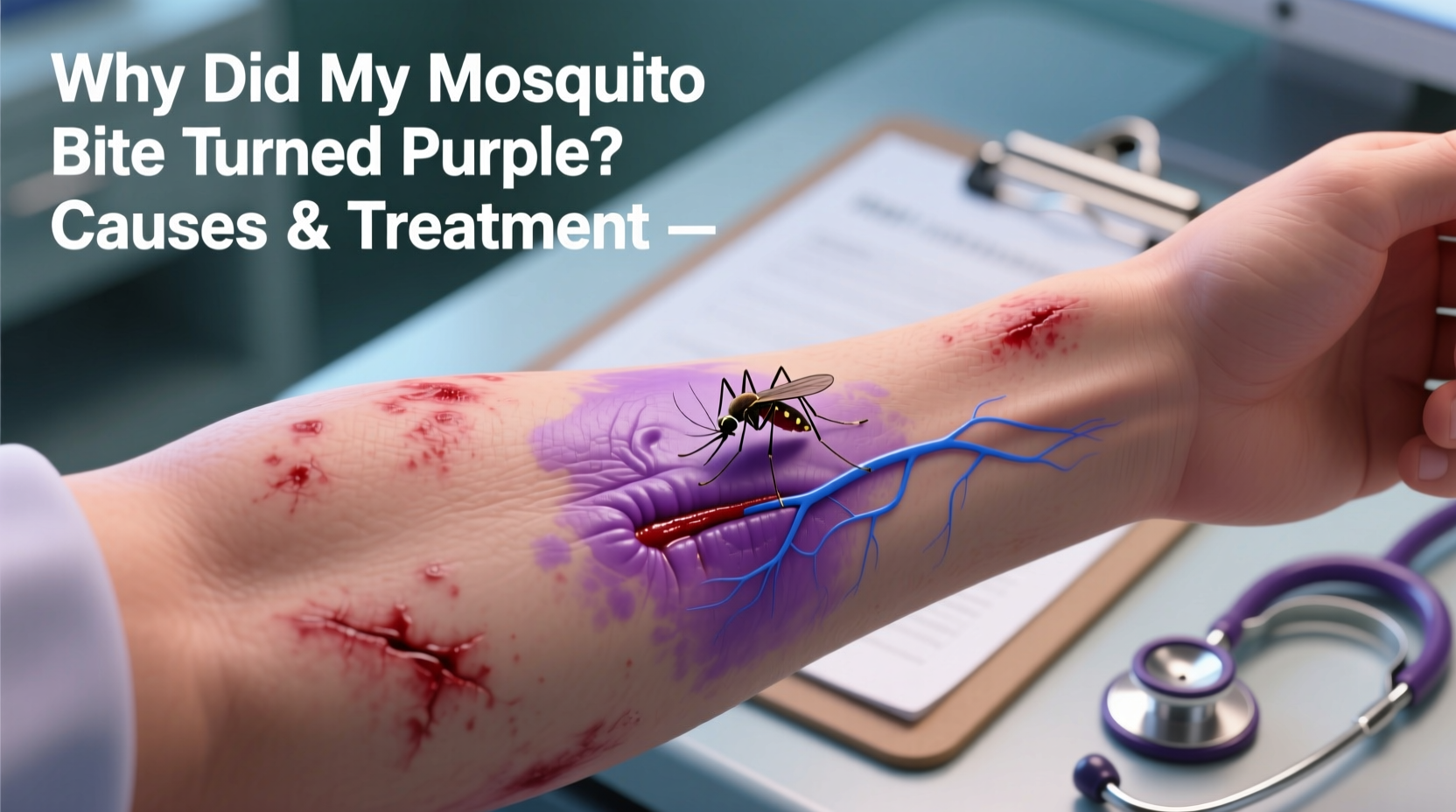
When a mosquito bites, it injects saliva into your skin to prevent blood from clotting. Your immune system reacts to these foreign proteins by releasing histamines, which cause inflammation, itching, and swelling. In some cases, the area may develop bruise-like discoloration, appearing purple, blue, or even blackish.
This pigmentation change usually results from minor bleeding under the skin caused by:
- Scratching: Aggressive scratching can rupture small blood vessels beneath the skin, leading to localized bruising.
- Increased capillary fragility: Some individuals have more delicate blood vessels that break easily after irritation.
- Delayed inflammatory response: A prolonged immune reaction can cause hemosiderin (a breakdown product of red blood cells) to accumulate, resulting in darkened skin.
- Allergic sensitivity: People with heightened immune responses may experience exaggerated reactions, including extensive swelling and discoloration.
When Is a Purple Bite a Cause for Concern?
A purple hue alone isn’t necessarily dangerous. However, certain accompanying symptoms suggest a more serious issue such as infection, cellulitis, or a systemic allergic reaction.
“While mild bruising around a bite is normal, expanding redness, warmth, pus, or fever should prompt immediate medical evaluation.” — Dr. Lena Patel, Board-Certified Dermatologist
Watch for these warning signs:
- The purple area continues to grow beyond the original bite site
- Increasing pain, warmth, or tenderness
- Pus or oozing from the bite
- Fever, chills, or swollen lymph nodes
- Red streaks radiating from the bite
If any of these occur, seek medical attention promptly. These could indicate bacterial infection requiring antibiotics.
Treatment Options for Discolored Mosquito Bites
In most cases, a purple mosquito bite will resolve on its own within a few days to two weeks. However, targeted treatments can speed healing, reduce discomfort, and minimize scarring.
Immediate Home Care Steps
- Clean the area: Wash gently with soap and water to remove bacteria and residual mosquito saliva.
- Apply cold compress: Use a cloth-wrapped ice pack for 10–15 minutes to reduce swelling and constrict blood vessels.
- Elevate if swollen: If the bite is on a limb, elevating it slightly can reduce fluid buildup.
- Use over-the-counter remedies: Calamine lotion, hydrocortisone cream, or antihistamines (like diphenhydramine) can ease itching and inflammation.
Natural Remedies with Clinical Support
Some plant-based treatments have shown promise in reducing skin irritation:
- Aloe vera gel: Soothes inflammation and promotes healing due to its anti-inflammatory compounds.
- Baking soda paste: Mix with water and apply to relieve itching and neutralize acidic components in mosquito saliva.
- Tea tree oil (diluted): Has antimicrobial properties; always dilute with carrier oil to avoid irritation.
Prevention and Long-Term Skin Health
Preventing excessive reactions starts before the bite occurs. Taking proactive steps reduces both the frequency of bites and severity of skin responses.
| Prevention Strategy | How It Helps | Effectiveness Level |
|---|---|---|
| Use EPA-approved repellents (DEET, picaridin) | Deters mosquitoes effectively for several hours | High |
| Wear long sleeves and light-colored clothing | Reduces exposed skin and makes you less visible to insects | Moderate |
| Eliminate standing water around home | Removes mosquito breeding grounds | High (community-wide impact) |
| Install or repair window/door screens | Prevents entry into living spaces | Moderate to High |
Minimizing Future Reactions
People who frequently experience severe reactions may benefit from desensitization strategies. Although not widely available, experimental immunotherapy for insect allergies exists in specialized clinics. More commonly, daily antihistamine use during peak mosquito season can reduce the intensity of skin responses.
Real-Life Example: Sarah’s Reaction After a Hiking Trip
Sarah, a 34-year-old hiker, returned from a weekend trail adventure with multiple mosquito bites on her ankles. Within two days, one bite turned deep purple and swelled significantly. Initially dismissing it as normal, she noticed increasing pain and red streaks moving up her calf. Concerned, she visited urgent care where doctors diagnosed early-stage cellulitis—an infection spreading through the skin. She was prescribed oral antibiotics and recovered fully within a week. Her case highlights the importance of monitoring changes in bite appearance and acting quickly when infection signs appear.
Frequently Asked Questions
Can a mosquito bite leave a permanent mark?
Most discoloration fades within 1–3 weeks. However, in rare cases—especially with repeated scratching or in individuals with darker skin tones—post-inflammatory hyperpigmentation can last several months. Using sunscreen on healed bites helps prevent lasting dark spots.
Is it normal for a bite to look bruised?
Yes, especially if scratched. Minor bruising occurs due to capillary damage from inflammation or physical trauma. As long as there's no worsening pain or systemic symptoms, it's generally safe to treat at home.
Should I pop a blister on a mosquito bite?
No. Blistering can occur with strong allergic reactions. Popping increases infection risk. Keep the area clean, cover with a bandage, and let it heal naturally.
Step-by-Step Guide: Managing a Purple Mosquito Bite
- Day 1: Clean the bite with mild soap and water. Apply a cold compress for 10 minutes every hour as needed.
- Day 2–3: Use hydrocortisone cream twice daily and take an oral antihistamine if itching persists. Monitor for expansion of discoloration.
- Day 4–7: Switch to moisturizing creams like aloe or vitamin E. Avoid sun exposure to prevent pigment retention.
- Day 8 onward: If the purple color remains but is fading, continue gentle care. If unchanged or worsening, consult a healthcare provider.
- ✔ Stop scratching — cover with a bandage if necessary
- ✔ Wash the area with soap and water
- ✔ Apply a cold compress for 10–15 minutes
- ✔ Use anti-itch cream (calamine or hydrocortisone)
- ✔ Take an antihistamine if needed
- ✔ Watch for signs of infection (pus, fever, spreading redness)
- ✔ See a doctor if symptoms worsen after 48 hours
Final Thoughts
A purple mosquito bite is usually a benign reaction caused by the body’s immune response or minor trauma from scratching. With proper care, most cases resolve without intervention. However, recognizing when a bite crosses the line from normal healing to potential infection is crucial. By combining preventive habits, timely treatment, and awareness of warning signs, you can protect your skin and health all season long.
💬 Have you experienced unusual reactions to mosquito bites? Share your story or questions in the comments to help others stay informed and safe.








