
Canker sores—small, painful ulcers that appear inside the mouth—are a common but often misunderstood condition. Unlike cold sores, which are caused by a virus and appear outside the lips, canker sores form on soft oral tissues like the inner cheeks, tongue, or gums. While typically harmless and self-limiting, they can significantly disrupt eating, speaking, and daily comfort. Understanding why canker sores develop, recognizing their symptoms, and knowing how to treat them effectively can reduce discomfort and prevent recurrence.
What Are Canker Sores?
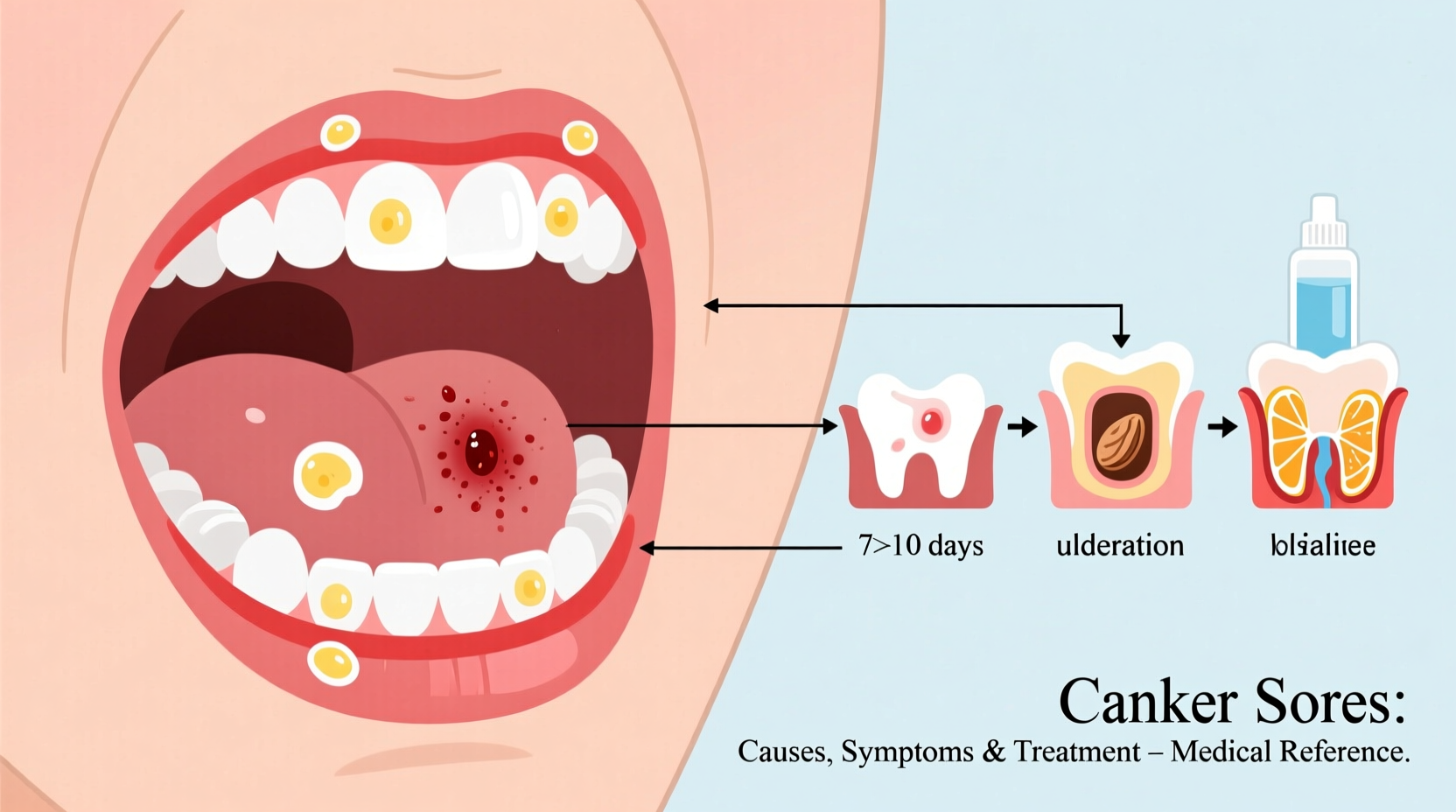
Canker sores, also known as aphthous ulcers, are shallow lesions that develop on the mucous membranes inside the mouth. They are not contagious and do not result from the herpes virus. Most canker sores are minor, measuring less than 1 cm in diameter, and heal within one to two weeks without scarring. However, some individuals experience larger or recurring forms that may require medical attention.
There are three main types of canker sores:
- Minor aphthae: The most common type, small and oval-shaped, healing in 7–10 days.
- Major aphthae: Larger, deeper, and more painful; can take up to six weeks to heal and may leave scars.
- Herpetiform canker sores: Pinpoint-sized sores that cluster together, resembling herpes lesions (though unrelated to the virus).
Common Causes of Canker Sores
The exact cause of canker sores remains unclear, but multiple factors contribute to their development. Most cases result from a combination of triggers rather than a single cause.
Tip: Keep a symptom diary to identify personal triggers such as specific foods, stress patterns, or oral care products.Dietary Triggers
Acidic or spicy foods—like citrus fruits, tomatoes, pineapple, and hot peppers—can irritate oral tissue and provoke outbreaks. Deficiencies in essential nutrients such as vitamin B12, iron, folic acid, and zinc are also linked to recurrent canker sores.
Oral Trauma
Accidental bites, dental work, aggressive tooth brushing, or sharp orthodontic appliances can damage the delicate lining of the mouth, creating an entry point for ulcers.
Immune System Response
Canker sores are thought to involve an overactive immune response where the body mistakenly attacks healthy oral cells. This autoimmune-like reaction may be triggered by stress, illness, or hormonal changes.
Genetic Predisposition
More than 80% of people who suffer from recurrent canker sores have a family history of the condition, suggesting a strong genetic component.
Underlying Health Conditions
Recurrent or severe canker sores may signal systemic issues such as celiac disease, inflammatory bowel disease (IBD), lupus, or HIV/AIDS. In these cases, treating the underlying condition often reduces ulcer frequency.
“While most canker sores are benign, frequent or unusually large ulcers should prompt evaluation for nutritional deficiencies or autoimmune disorders.” — Dr. Lena Torres, Oral Medicine Specialist
Symptoms and Diagnosis
The first sign of a canker sore is often a tingling or burning sensation at the site, appearing one to two days before the visible ulcer. Once formed, the sore typically presents as a round or oval lesion with a white or yellow center and a red border.
Additional symptoms include:
- Pain or discomfort when eating, drinking, or speaking
- Slight swelling around the sore
- In rare cases, fever or swollen lymph nodes (especially with major aphthae)
Diagnosis is usually clinical, based on appearance and location. A healthcare provider may order blood tests if an underlying deficiency or disease is suspected, especially in cases of frequent recurrence.
Effective Treatment Options
Most minor canker sores resolve on their own, but various treatments can speed healing and relieve pain.
Over-the-Counter Remedies
- Topical gels and ointments: Products containing benzocaine, fluocinonide, or hydrogen peroxide provide temporary numbing and protect the sore from irritation.
- Mouth rinses: Antimicrobial or steroid-based rinses reduce inflammation and prevent secondary infection.
- Oral patches: Adhesive films that cover the sore, shielding it from friction and food particles.
Home Care Strategies
- Rinse with salt water (1/2 teaspoon in 1 cup warm water) several times daily to promote healing.
- Avoid spicy, acidic, or crunchy foods that aggravate the sore.
- Use a soft-bristled toothbrush and consider switching to a sodium lauryl sulfate (SLS)-free toothpaste, as SLS may trigger ulcers in sensitive individuals.
- Apply a cold compress or suck on ice chips to numb pain temporarily.
| Treatment Type | Best For | Effectiveness Timeline |
|---|---|---|
| Topical anesthetics | Pain relief | Immediate, short-term |
| Antiseptic mouthwashes | Reducing bacteria | 2–3 days |
| Nutritional supplements | Deficiency-related sores | Days to weeks |
| Prescription steroids | Major or persistent sores | 3–5 days |
Prevention Checklist
Reducing the frequency of canker sores involves consistent lifestyle and oral hygiene habits. Follow this checklist to minimize outbreaks:
Checklist: Preventing Canker Sores- ✔ Use a soft-bristled toothbrush to avoid tissue trauma
- ✔ Switch to SLS-free toothpaste
- ✔ Maintain a balanced diet rich in B vitamins, iron, and zinc
- ✔ Manage stress through mindfulness, exercise, or therapy
- ✔ Avoid chewing gum or hard candies that increase oral friction
- ✔ Stay hydrated to maintain healthy mucosal lining
When to See a Doctor
While most canker sores are manageable at home, certain warning signs indicate the need for professional evaluation:
- Sores larger than 1/2 inch in diameter
- Ulcers lasting more than three weeks
- Frequent outbreaks (more than two or three per month)
- Severe pain interfering with eating or drinking
- High fever or difficulty swallowing accompanying the sores
A dentist or physician may prescribe stronger topical steroids, oral medications, or recommend blood tests to rule out deficiencies or systemic diseases.
Real-Life Example: Managing Recurrent Sores
Sarah, a 29-year-old teacher, experienced canker sores every few weeks, often during exam periods. After tracking her outbreaks, she noticed a pattern: stress, late nights, and increased coffee intake coincided with flare-ups. Her dentist suggested switching to an SLS-free toothpaste and supplementing with a B-complex vitamin. Within two months, her outbreaks decreased from four to one per quarter. Blood tests later revealed a mild deficiency in vitamin B12, which was corrected with dietary changes and supplementation. Sarah now manages her condition proactively by prioritizing sleep and using a gentle oral care routine.
Frequently Asked Questions
Are canker sores contagious?
No, canker sores are not contagious. Unlike cold sores (caused by HSV-1), they cannot be spread through contact.
Can children get canker sores?
Yes, children can develop canker sores, especially after injuring their mouth or consuming irritating foods. Parents should ensure kids use soft toothbrushes and avoid overly acidic snacks.
Is there a cure for recurrent canker sores?
There is no definitive cure, but identifying and managing triggers—such as stress, diet, or deficiencies—can drastically reduce frequency and severity.
Conclusion: Take Control of Your Oral Health
Canker sores may be common, but they don’t have to be a regular inconvenience. By understanding the causes, recognizing early symptoms, and applying effective treatments, you can minimize discomfort and prevent future outbreaks. Small changes in oral care, diet, and stress management can make a significant difference. If sores persist or worsen, don’t hesitate to consult a healthcare provider to explore underlying causes.
💬 Have you found a remedy that works for your canker sores? Share your experience in the comments to help others manage this common issue.








