When you're excited to see your favorite band, catch a major sports game, or attend a sold-out comedy show, the last thing you want is sticker shock at checkout. Yet, many fans using SeatGeek have noticed that the final price often exceeds the initial listing by 25% or more. Why are SeatGeek fees so high? It's not just one fee — it’s a combination of service charges, processing costs, delivery fees, and dynamic pricing models that can make ticket prices feel misleading. Understanding these costs isn’t about avoiding fees entirely; it’s about making informed decisions so you’re never caught off guard.
How SeatGeek Pricing Works: Beyond the Face Value
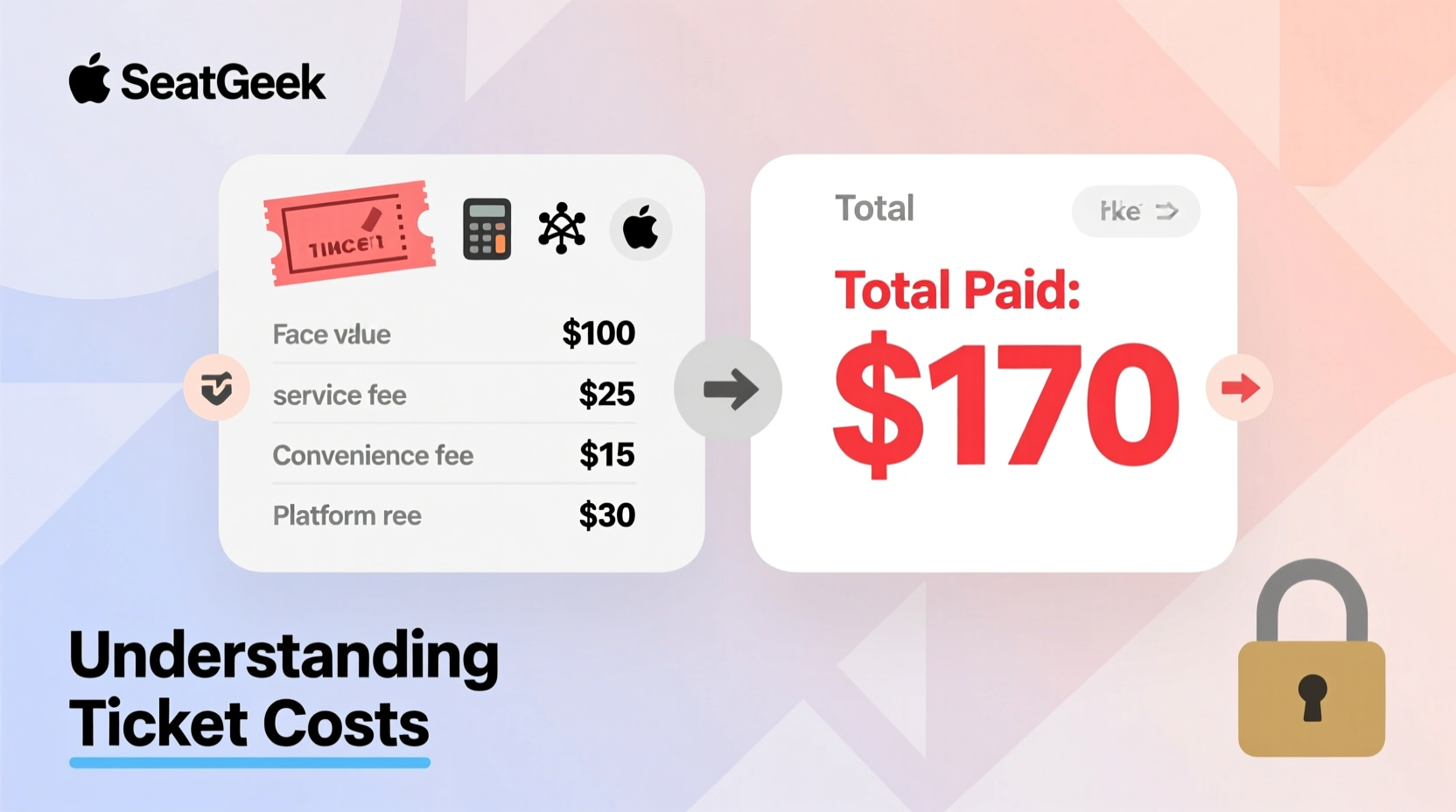
SeatGeek operates as a secondary ticket marketplace, meaning it aggregates listings from brokers, teams, venues, and individual sellers. Unlike primary vendors like Ticketmaster (which sell directly from the source), SeatGeek adds layers of complexity because it must accommodate seller margins, platform overhead, and transaction logistics.
The displayed “list price” is only part of the story. What users often don’t realize is that this base cost doesn’t include:
- Service fees (charged by SeatGeek)
- Payment processing fees (charged by payment gateways)
- Delivery or access method fees
- Taxes and venue surcharges
- Seller commissions or broker markups
These add-ons are calculated during checkout, which is why the total can jump dramatically. For example, a $100 ticket may end up costing $135 after all fees — a 35% increase. This model is common across resale platforms, but SeatGeek’s transparency in breaking down each fee has both supporters and critics.
Tip: Always review the itemized fee breakdown before confirming your purchase — it reveals exactly where your money is going.Breaking Down the Fees: What You're Actually Paying For
To demystify the final cost, let’s examine the typical components of a SeatGeek transaction. Below is a real-world example based on a recent concert ticket purchase:
| Cost Component | Description | Average Range |
|---|---|---|
| List Price | The base price set by the seller | $75–$300+ |
| Service Fee | SeatGeek’s platform charge for facilitating the sale | 10–18% of list price |
| Facility Fee | Venue-imposed surcharge passed through by seller | $3–$15 per ticket |
| Processing & Payment Fee | Credit card and gateway transaction costs | $2–$7 per ticket |
| Delivery Method Fee | Email, mobile scan, or expedited shipping | Free–$15 |
| Sales Tax | State/local tax applied to total | Varies by location (5–10%) |
As shown, even if the service fee appears reasonable at first glance, when combined with other charges, the cumulative effect becomes significant. A $120 ticket could easily accumulate $30–$45 in additional costs — nearly 30% more than expected.
Why Secondary Marketplaces Charge More
It’s important to understand that SeatGeek isn’t arbitrarily inflating prices. Most tickets on the platform are resold by third parties who bought them earlier — sometimes in bulk — and now seek a return on investment. High-demand events drive up market value, and SeatGeek reflects that supply-and-demand reality.
According to industry analyst Mark Reynolds, who tracks live entertainment economics:
“Secondary markets exist because demand exceeds supply. Platforms like SeatGeek provide liquidity and convenience, but they also aggregate competitive pricing from professional brokers. The fees aren’t always excessive — they reflect the true cost of accessing scarce inventory.” — Mark Reynolds, Live Events Economist
This means that while a ticket might be listed at face value of $80, if only five remain and thousands want them, someone will pay $150 or more. SeatGeek simply enables that transaction transparently, including all associated costs upfront before purchase.
Strategies to Reduce SeatGeek Fees and Save Money
You don’t have to accept high fees as inevitable. With smart planning and awareness, you can significantly reduce or avoid unnecessary charges. Follow this checklist to get better deals:
Checklist: How to Minimize SeatGeek Costs- ✅ Set price alerts for your desired event and wait for drops
- ✅ Filter results by “No Fees” or “Lowest Total Price”
- ✅ Buy early or last-minute — avoid peak demand windows
- ✅ Choose email/mobile delivery to skip shipping fees
- ✅ Use credit cards with rewards or statement credits for ticket purchases
- ✅ Compare total cost across multiple platforms (Ticketmaster, Vivid Seats, Gametime)
Additionally, consider purchasing during presales or directly through team/artist websites when possible. These primary channels typically offer lower overall costs, though availability is limited.
Real Example: Comparing Two Concert Purchases
Let’s look at a realistic scenario involving a popular music festival in Chicago:
Purchase A – Last-Minute Buyer on SeatGeek
User searches two days before the event. Only premium seats remain.
- List Price: $160
- Service Fee (15%): $24
- Facility Fee: $12
- Processing Fee: $5
- Delivery (mobile): Free
- Sales Tax (8.25%): $16.50
Total: $217.50 — a 36% increase over face value.
Purchase B – Early Planner Using Alerts
Same user set a price alert three months prior and gets notified when general admission tickets drop to $95.
- List Price: $95
- Service Fee (15%): $14.25
- Facility Fee: $10
- Processing Fee: $4
- Mobile Delivery: Free
- Sales Tax (8.25%): $9.77
Total: $133.02 — saving $84.48 compared to last-minute buyer.
This case illustrates how timing and strategy matter far more than the platform itself. The same site yielded vastly different outcomes based on behavior.
FAQ: Common Questions About SeatGeek Fees
Can I avoid SeatGeek service fees completely?
No, service fees are non-negotiable and built into every transaction. However, choosing lower-priced tickets reduces the absolute dollar amount of the fee, since it's usually a percentage of the list price.
Are SeatGeek fees higher than other sites?
Not necessarily. While some users report lower totals on Gametime or higher totals on Vivid Seats, fee structures are broadly similar across secondary markets. SeatGeek often provides clearer fee breakdowns than competitors, which improves transparency even if the final number isn't cheaper.
Do fees go down closer to the event date?
Sometimes. As event dates approach, sellers may lower prices — including absorbed fees — to move unsold inventory. Monitoring price trends via alerts increases your chances of catching such deals.
Conclusion: Smart Buying Beats Fee Frustration
High fees on SeatGeek aren’t the result of deception — they stem from the economic realities of ticket resale, digital infrastructure, and consumer demand. While the added costs can feel frustrating, understanding them empowers smarter decisions. By leveraging tools like price tracking, delivery options, and cross-platform comparisons, you can enjoy live events without overspending.
The goal isn’t to eliminate fees entirely — that’s unrealistic in today’s ticket ecosystem — but to minimize unnecessary expenses through awareness and timing. Whether it’s a playoff game or a summer tour, being an informed buyer makes all the difference.
🚀 Ready to save on your next event? Set a SeatGeek price alert today and let the app notify you when tickets drop — before fees spike near showtime.








