
If you’ve noticed a strange, syrupy film on your houseplant leaves or nearby surfaces, you’re not alone. Sticky leaves are a common but often misunderstood issue among indoor gardeners. While it may seem like a minor annoyance at first, persistent stickiness can signal deeper problems such as pest infestations, fungal activity, or improper care. Understanding the root causes is essential to restoring your plant’s health and preventing long-term damage.
What Causes Sticky Leaves on Plants?
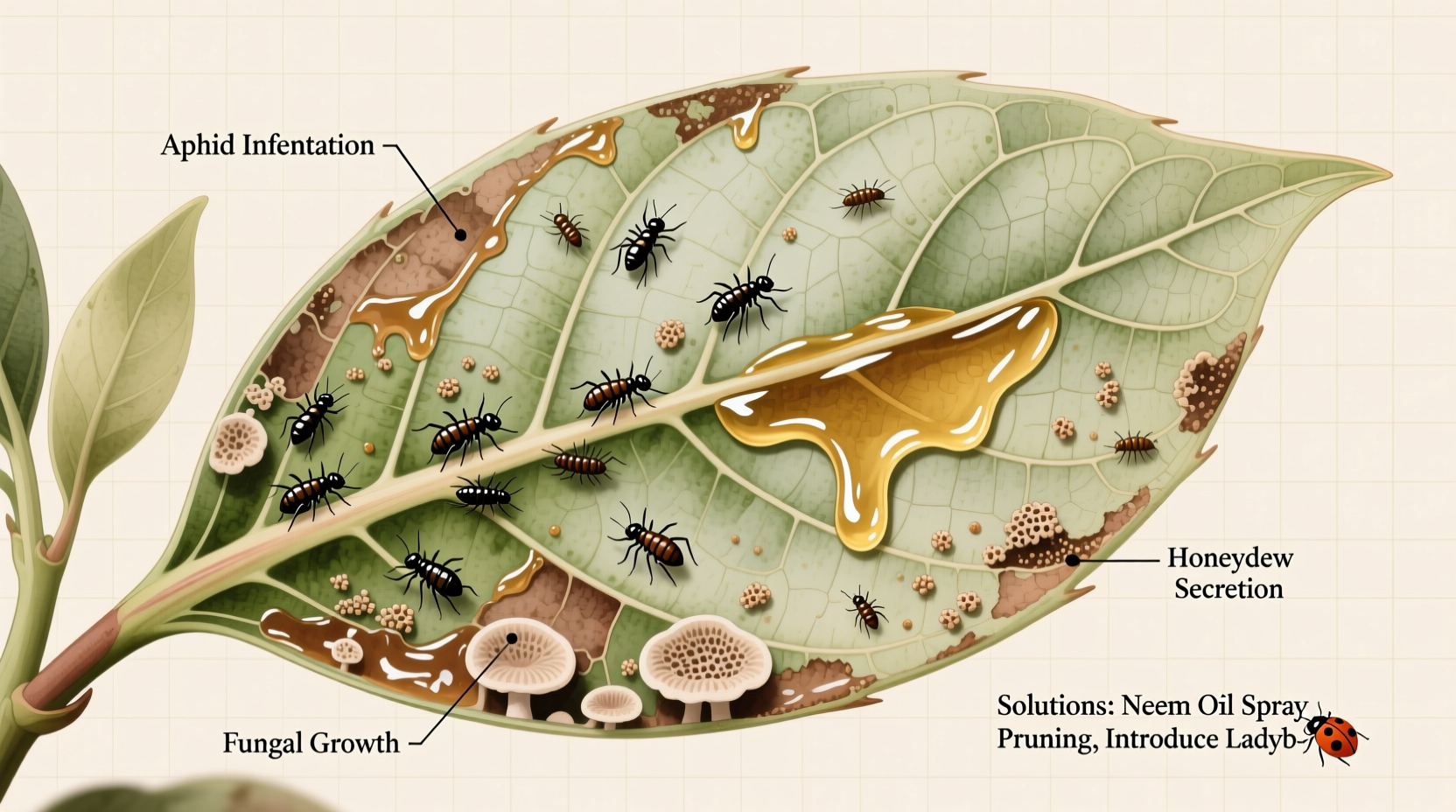
Sticky residue on plant leaves typically results from a substance called honeydew—a sugary secretion produced by certain sap-sucking insects. However, not all stickiness comes from pests. Some plants naturally exude nectar or moisture as part of their biological functions. The key is distinguishing between normal behavior and signs of distress.
- Insect infestations: Aphids, mealybugs, scale insects, and whiteflies feed on plant sap and excrete honeydew.
- Natural nectar production: Some plants, like hoyas or certain gesneriads, produce nectar to attract pollinators.
- Guttation: A natural process where plants release excess moisture through leaf edges, often mistaken for stickiness.
- Fungal growth: Sooty mold grows on honeydew and can create a sticky-feeling surface.
“Honeydew is a red flag in indoor gardening. It’s rarely harmless and almost always points to an unseen pest problem.” — Dr. Lena Torres, Urban Horticulturist & Plant Pathologist
Common Pests Behind Sticky Residue
The most frequent culprits behind sticky leaves are small, sap-feeding insects that thrive in warm, dry indoor environments. These pests pierce plant tissue to extract nutrient-rich fluids, then excrete excess sugar as honeydew.
Aphids
Tiny, soft-bodied insects usually found on new growth or under leaves. They reproduce rapidly and often cluster in groups. Their honeydew coats nearby foliage and encourages sooty mold.
Mealybugs
White, cottony masses visible in leaf axils or along stems. Mealybugs move slowly but spread easily between plants. They secrete large amounts of honeydew relative to their size.
Scale Insects
Appear as brown or tan bumps on stems and leaves. Armored scales are harder to treat because of their protective shell. Even immobile adults produce honeydew.
Whiteflies
Small, moth-like insects that scatter when disturbed. They congregate on the undersides of leaves and can quickly escalate into a full-blown infestation if unchecked.
Tip: Inspect new plants thoroughly before introducing them to your collection—many infestations start this way.How to Identify the Source of Stickiness
Before treating, confirm whether the stickiness is due to pests or natural processes. Follow this diagnostic checklist:
- Examine the underside of leaves with a magnifying glass for insects or egg clusters.
- Check for webbing (spider mites), cottony patches (mealybugs), or hard bumps (scale).
- Look for black, sooty deposits—this indicates mold growing on honeydew.
- Observe if the stickiness appears only during flowering (possible nectar) or year-round (likely pests).
- Shake the plant gently; flying insects suggest whiteflies.
| Symptom | Possible Cause | Action Needed |
|---|---|---|
| Clear, shiny film on leaves | Honeydew from aphids/mealybugs | Inspect for pests, isolate plant |
| Black, sooty coating | Sooty mold feeding on honeydew | Treat underlying pest issue |
| Droplets on leaf tips in morning | Guttation (natural) | No action needed |
| Flower-related stickiness | Nectar production | Normal for certain species |
| White, fuzzy spots + stickiness | Active mealybug colony | Immediate treatment required |
Step-by-Step Guide to Treating Sticky Leaves
Once you’ve confirmed a pest-related cause, act swiftly to prevent spreading. Here’s a proven 5-step approach:
- Isolate the affected plant to stop pests from migrating to others.
- Clean the leaves with a damp cloth and mild soap solution (1 tsp dish soap per liter of water). Gently wipe both sides to remove honeydew and sooty mold.
- Apply insecticidal treatment: Use neem oil, insecticidal soap, or 70% isopropyl alcohol applied with a cotton swab directly on pests.
- Treat soil and pot: Some pests lay eggs in soil. Drench the top layer with diluted neem oil or replace the top inch of soil.
- Monitor weekly for reinfestation. Repeat treatment every 7–10 days for at least three cycles to catch newly hatched nymphs.
Preventive Care Checklist
Prevention is far more effective than cure. Incorporate these habits into your plant care routine:
- ✅ Inspect all new plants for 7–10 days before placing near others.
- ✅ Wipe leaves monthly with a damp cloth to remove dust and early-stage pests.
- ✅ Maintain proper humidity—many pests thrive in dry air.
- ✅ Avoid over-fertilizing, which produces tender new growth attractive to aphids.
- ✅ Rotate plants regularly to spot issues early.
- ✅ Use yellow sticky traps near susceptible plants to catch flying pests.
Real Example: Saving a Sticky Fiddle Leaf Fig
Jamie, a plant enthusiast in Austin, noticed her fiddle leaf fig had developed a glossy sheen on its lower leaves and was attracting fruit flies. At first, she assumed it was dust buildup and wiped the leaves. When the stickiness returned within days, she inspected closer and spotted tiny white specks along the stem joints. After identifying them as mealybugs, she isolated the plant, cleaned the leaves with soapy water, and applied a neem oil spray every nine days for a month. She also placed sticky traps nearby. Within six weeks, the plant showed no further signs of pests and began producing healthy new growth. Her quick response prevented the infestation from spreading to her monstera and pothos.
When Stickiness Is Natural
Not all sticky plants need treatment. Certain species naturally produce nectar or moisture:
- Hoya spp.: Produce sweet nectar on flower buds and nearby leaves to attract pollinators.
- Peperomia: May exhibit guttation droplets on leaf tips, especially in high humidity.
- Passionflower vines: Secrete extrafloral nectar to attract beneficial insects.
If stickiness occurs only during blooming or on specific parts of the plant and no pests are visible, it’s likely a natural process. Simply avoid touching the areas to prevent attracting ants or dust.
FAQ
Can I use vinegar to clean sticky plant leaves?
Vinegar is too acidic and can damage leaf tissues. Stick to mild dish soap and water or commercial leaf cleaners formulated for plants.
Will sticky leaves kill my plant?
Not directly, but untreated infestations weaken plants over time by draining nutrients and promoting mold growth. Severe cases can lead to leaf drop, stunted growth, or death.
How long does it take to get rid of honeydew-producing pests?
With consistent treatment, most infestations are controlled within 4–6 weeks. However, vigilance is key—some pests like scale have long life cycles and require repeated applications.
Conclusion: Take Action Before It Spreads
Sticky leaves are more than just messy—they’re a signal. Whether caused by stealthy pests or natural processes, understanding the source empowers you to respond appropriately. Early detection, proper identification, and consistent treatment make all the difference in maintaining a thriving indoor garden. Don’t wait until your entire plant collection is at risk. Address stickiness promptly, refine your care routine, and enjoy healthier, gleaming foliage free of unwanted residue.
💬 Have a plant with sticky leaves? Share your experience or ask for advice in the comments—let’s help each other grow better!








