You notice a faint gloss on your fiddle leaf fig’s leaves. A few days later, the stickiness spreads. You touch another plant—same thing. That syrupy residue isn’t dew or spilled water. It’s a warning sign. Sticky houseplant leaves are almost always caused by an infestation, not overwatering or humidity. The culprit? Sap-sucking insects excreting a sugary waste known as honeydew. Left unchecked, this can lead to sooty mold, weakened growth, and even plant death.
Understanding the root cause—and acting quickly—is essential. This guide breaks down the science behind sticky leaves, identifies common pests, and delivers proven strategies to clean, treat, and prevent recurrence. Whether you're dealing with a single affected pothos or a full-blown outbreak across your indoor jungle, these steps will help you regain control fast.
What Causes Sticky Residue on Houseplant Leaves?
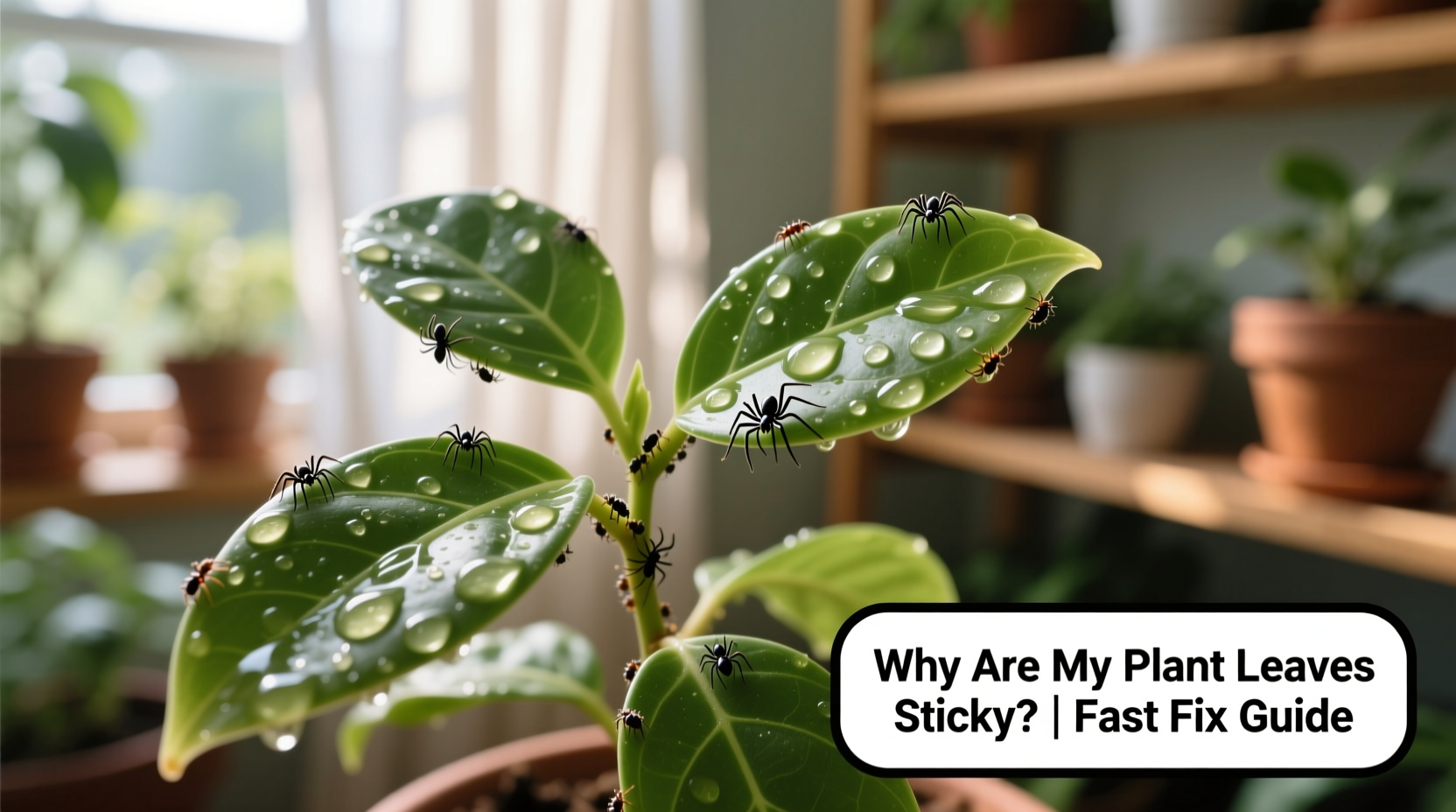
The primary reason for sticky leaves is honeydew—a clear, sugary substance excreted by certain plant-sucking insects after they feed on sap. These pests pierce plant tissue to access nutrient-rich fluids, then expel excess sugars as waste. Unlike natural plant secretions (which are rare in most houseplants), honeydew feels tacky, attracts ants, and often leads to black sooty mold.
Honeydew-producing pests commonly found on indoor plants include:
- Scale insects – Appear as small brown or white bumps; immobile and waxy.
- Aphids – Tiny green, black, or yellow bugs clustering on new growth.
- Mealybugs – White, cotton-like masses in leaf axils and stems.
- Whiteflies – Small white insects that flutter when disturbed.
- Spider mites – Not all produce honeydew, but heavy infestations can leave a sticky film.
While environmental factors like high humidity can make dust cling to leaves, true stickiness comes from biological sources. If wiping doesn’t resolve the issue and reappears within days, assume an insect infestation is present—even if you haven’t seen visible bugs yet.
Tip: Inspect the undersides of leaves and stem joints—pests often hide in these sheltered areas.How to Identify the Pest Behind the Stickiness
Correct identification determines treatment success. Each pest has distinct behaviors and appearances. Use a magnifying glass and inspect under bright light for accuracy.
| Pest Type | Appearance | Common Locations | Honeydew Output |
|---|---|---|---|
| Mealybugs | White, fluffy clusters | Leaf nodes, stem crevices | High – very sticky |
| Scale Insects | Brown or tan shells, immobile | Stems, midribs | Moderate to high |
| Aphids | Small, soft-bodied, green/black | New shoots, buds | High – rapid buildup |
| Whiteflies | Tiny white moths | Undersides of leaves | Moderate – airborne spread |
| Spider Mites | Pinpoint red/brown specks | Leaf undersides, webbing | Low – but can feel gritty |
Pro tip: Tap the plant over a sheet of white paper. If tiny specks move or leave smears, you’ve confirmed live pests. Mealybugs smear pinkish; aphids burst green; scale leave oily marks.
“Honeydew is a telltale sign of active feeding. By the time you see stickiness, the population is already established.” — Dr. Lena Torres, Urban Plant Pathologist, Greenhouse Research Institute
Step-by-Step Guide to Fix Sticky Leaves Fast
Eliminating stickiness requires immediate action: isolate, clean, treat, and monitor. Follow this 5-day protocol for best results.
- Isolate the Plant (Day 1)
Move the affected plant away from others immediately. Even brief contact can transfer pests via air currents or clothing. - Wipe Down Leaves and Stems (Day 1)
Mix 1 tsp mild dish soap with 1 quart of lukewarm water. Dip a soft cloth and gently wipe all surfaces—tops and bottoms of leaves, stems, and soil surface. Rinse with clean water afterward to avoid residue buildup. - Apply Insecticidal Treatment (Day 2)
Choose one based on severity:- Mild infestation: Neem oil spray (follow label dilution).
- Moderate to severe: Horticultural oil or insecticidal soap.
- Heavy scale/mealybugs: Dab individual pests with 70% isopropyl alcohol using a cotton swab.
- Replace Topsoil (Day 3)
Many pests lay eggs in the top layer of soil. Remove 1–2 inches of soil and replace with fresh, sterile potting mix. This disrupts life cycles and prevents reinfestation from below. - Monitor Daily (Days 4–14)
Check for new stickiness, webbing, or movement. Use sticky traps near foliage to catch flying adults like whiteflies.
Within 7–10 days, the stickiness should stop appearing. Full recovery takes 3–4 weeks due to the pest lifecycle.
Preventing Sticky Leaves: Long-Term Care Strategies
Once the infestation is gone, prevention becomes critical. Most indoor pest outbreaks originate from new plants, open windows, or contaminated tools.
Tip: Quarantine all new plants for at least two weeks before introducing them to your collection.Integrate these habits into your routine:
- Regular inspections: Examine plants weekly with a flashlight.
- Clean leaves: Wipe monthly to remove dust and detect early signs.
- Air circulation: Use a small fan to deter stagnant conditions where pests thrive.
- Avoid over-fertilizing: Excess nitrogen promotes soft new growth attractive to aphids.
- Sanitize tools: Wipe pruners with alcohol between uses.
Consider introducing beneficial insects like Encarsia formosa (for whiteflies) in controlled environments, though this is more common in greenhouses than homes.
Real Example: Saving a Sticky Monstera
Sophie, a plant enthusiast in Portland, noticed her Monstera deliciosa felt “sticky like syrup” after returning from vacation. At first, she wiped the leaves, assuming it was mineral residue. When the stickiness returned in three days, she inspected closer and found white, cottony patches where the leaf met the stem.
She identified mealybugs and followed the fast-fix protocol: isolation, soapy water wipe, alcohol swab on visible colonies, and neem oil spray every six days. She also replaced the top inch of soil. After two weeks, no new pests appeared. By day 21, the plant showed new growth—clean, healthy, and completely non-sticky.
Her key takeaway? “I thought I’d lost it. But acting fast made all the difference. Now I check every plant every Sunday without fail.”
Do’s and Don’ts of Treating Sticky Leaves
| Do’s | Don’ts |
|---|---|
| Isolate affected plants immediately | Wait to act until you see bugs |
| Use neem oil or insecticidal soap consistently | Overuse chemical pesticides indoors |
| Wipe leaves regularly with damp cloth | Ignore the undersides of leaves |
| Quarantine new plants for 14 days | Re-use contaminated soil or pots |
| Replace topsoil to break pest cycles | Assume one treatment is enough |
Frequently Asked Questions
Can sticky leaves harm my houseplant long-term?
Yes. Persistent honeydew blocks sunlight by promoting sooty mold, reducing photosynthesis. Heavy feeding weakens the plant, leading to yellowing, leaf drop, and stunted growth. In severe cases, plants may die, especially if already stressed.
Is honeydew dangerous to pets or humans?
No, honeydew itself isn’t toxic. However, the pests producing it can spread to other plants, and secondary mold growth may trigger allergies in sensitive individuals. Keep infested plants out of reach of curious pets who might chew on them.
Why do my plant’s leaves still feel sticky after treatment?
Residual honeydew may remain until physically wiped away. Even after killing pests, old secretions can linger. Clean the foliage again post-treatment. If stickiness returns after cleaning, the infestation is likely still active—reapply insecticide and inspect more closely.
Conclusion: Act Fast, Protect Your Plants
Sticky leaves are not normal. They are a red flag signaling an active pest problem that won’t resolve on its own. The good news? With prompt action, most infestations can be eliminated in under three weeks. The key is consistency—both in treatment and prevention.
Now that you know the causes, identification methods, and fast-acting solutions, you’re equipped to protect your entire plant collection. Start today: inspect each plant, clean any residue, and establish a routine that stops pests before they start. Healthy plants aren’t just about watering and light—they’re about vigilance.
💬 Have a sticky plant story or a home remedy that worked? Share your experience in the comments—your insight could help another plant parent save their favorite green friend!








