Peeling skin on the hands is a common but often misunderstood condition. While it may seem like a minor cosmetic issue, persistent or painful peeling can interfere with daily tasks and signal underlying health concerns. Whether due to environmental exposure, allergies, infections, or systemic conditions, understanding the root cause is essential for effective treatment. This guide explores the most frequent reasons behind hand peeling, evidence-based treatments, and practical steps to prevent recurrence.
Common Causes of Hand Peeling
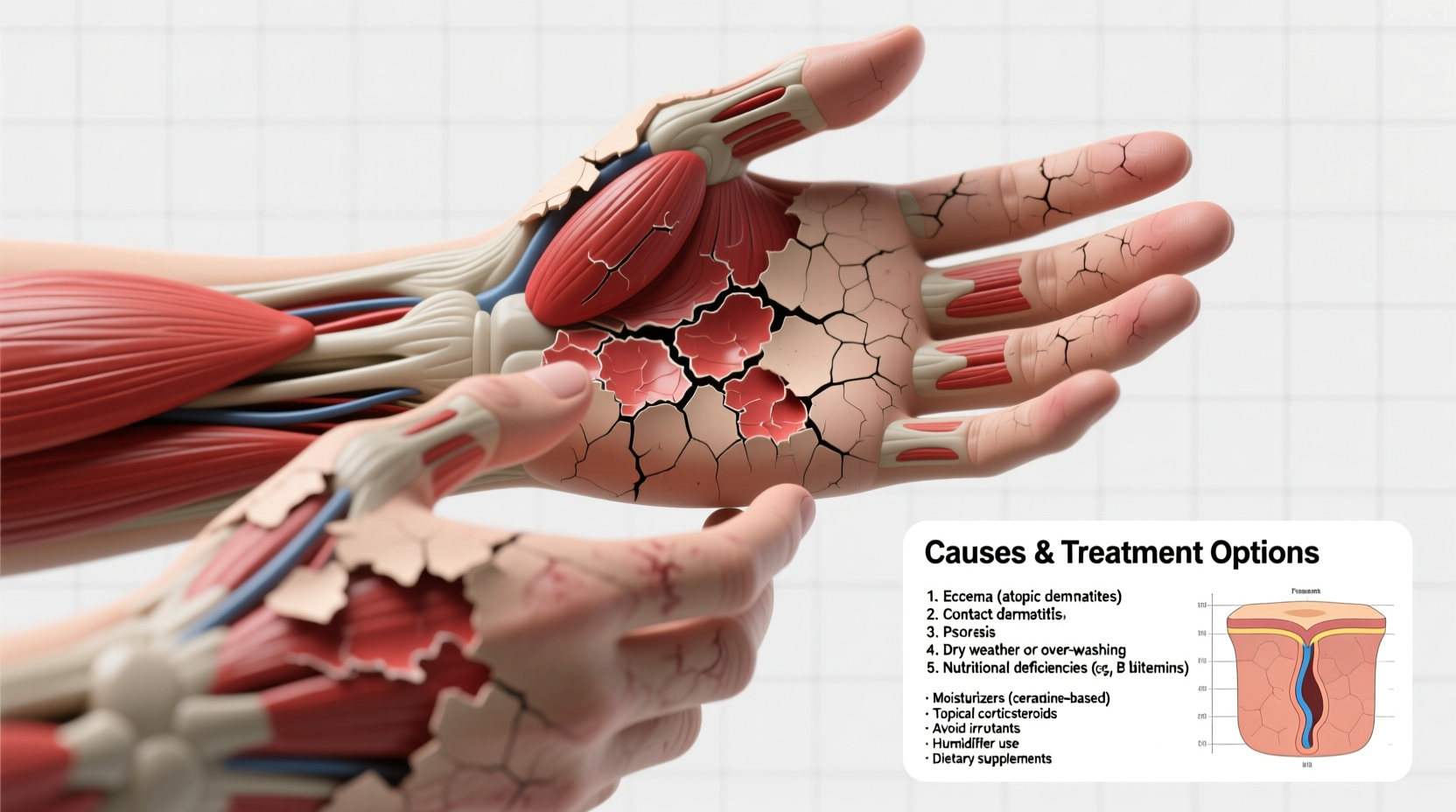
Peeling skin on the hands typically results from damage to the outer layer of the epidermis. The body naturally sheds dead skin cells, but excessive or premature peeling suggests irritation, inflammation, or an internal imbalance. Below are the leading causes:
- Dry skin (xerosis): Especially prevalent in winter or low-humidity environments, dry air strips moisture from the skin, leading to cracking and flaking.
- Contact dermatitis: Exposure to irritants like detergents, soaps, solvents, or allergens such as latex or nickel can trigger an inflammatory response.
- Hand eczema (dyshidrotic eczema): Characterized by small blisters on palms and fingers that burst and peel, often linked to stress or seasonal changes.
- Fungal infections: Conditions like tinea manuum resemble eczema but require antifungal treatment.
- Sunburn: UV radiation damages skin cells, prompting the body to shed layers days after exposure.
- Nutritional deficiencies: Lack of vitamin B3 (niacin), B7 (biotin), or zinc can manifest as skin peeling.
- Kawasaki disease or scarlet fever: In children, peeling hands may follow high-fever illnesses—though rare, these require urgent medical evaluation.
Diagnosis and When to See a Doctor
Most cases of mild hand peeling resolve with hydration and avoidance of irritants. However, certain red flags warrant professional assessment:
- Painful cracks or bleeding
- Spreading rash or blistering
- Signs of infection (pus, warmth, swelling)
- No improvement after two weeks of self-care
- History of autoimmune disorders like psoriasis or lupus
“Persistent hand peeling should never be ignored. A dermatologist can differentiate between eczema, fungal infection, and more serious dermatoses through clinical examination and sometimes skin scraping.” — Dr. Lena Patel, Board-Certified Dermatologist
Treatment Options Based on Cause
Effective treatment depends on accurate diagnosis. Below is a breakdown of targeted therapies for common causes:
| Condition | Treatment Approach | Expected Recovery Time |
|---|---|---|
| Dry Skin / Xerosis | Thick emollients (petrolatum, ceramide creams), humidifier use, lukewarm water | 3–7 days with consistent care |
| Contact Dermatitis | Eliminate irritant, topical corticosteroids (hydrocortisone 1%), barrier gloves | 1–2 weeks |
| Dyshidrotic Eczema | Mid-potency steroids, aluminum acetate soaks, immunomodulators (tacrolimus) | 2–4 weeks |
| Fungal Infection | Topical antifungals (clotrimazole, terbinafine), oral antifungals if severe | 4–6 weeks |
| Vitamin Deficiency | B-complex supplements, biotin, dietary adjustment (eggs, nuts, whole grains) | Several weeks to months |
Step-by-Step Care Plan for Mild to Moderate Peeling
- Stop using harsh soaps: Switch to fragrance-free, pH-balanced cleansers.
- Lukewarm wash only: Hot water worsens dryness; limit handwashing time.
- Pat dry gently: Avoid rubbing with towels—damp skin retains better moisture.
- Apply occlusive moisturizer immediately: Use petroleum jelly or thick cream within 3 minutes of washing.
- Wear cotton-lined gloves at night: Apply ointment and cover hands to enhance absorption.
- Avoid known irritants: Wear protective gloves when cleaning, gardening, or handling chemicals.
- Reassess after one week: If no improvement, consult a healthcare provider.
Prevention Checklist
Maintaining healthy hand skin requires ongoing attention, especially for those prone to eczema or occupational exposure. Follow this checklist to reduce flare-ups:
- ✅ Use gentle, fragrance-free hand soap
- ✅ Moisturize at least twice daily, especially after handwashing
- ✅ Wear gloves when doing dishes, using disinfectants, or handling soil
- ✅ Install a humidifier during dry winter months
- ✅ Avoid nail-biting or picking at peeling skin
- ✅ Stay hydrated and eat a balanced diet rich in essential fatty acids and vitamins
- ✅ Limit alcohol-based hand sanitizer use; opt for moisturizing formulas
Real-Life Example: Office Worker with Recurring Hand Peeling
Sarah, a 34-year-old administrative assistant, noticed her fingertips peeling every winter. She frequently washed her hands due to shared office equipment and used strong antibacterial soap. Over-the-counter lotions provided temporary relief, but the peeling returned. After seeing a dermatologist, she was diagnosed with irritant contact dermatitis exacerbated by low indoor humidity and frequent sanitizer use.
Her treatment plan included switching to a non-foaming cleanser, applying prescription-strength hydrocortisone cream for two weeks, and wearing thin cotton gloves under nitrile ones during cleaning duties. Within three weeks, her skin healed completely. Sarah now keeps a travel-sized moisturizer at her desk and uses sanitizer only when necessary—her hands have remained clear for over a year.
Frequently Asked Questions
Can dehydration cause my hands to peel?
While systemic dehydration affects overall skin health, localized hand peeling is more commonly tied to external factors like weather, irritants, or skin conditions. However, chronic dehydration may impair skin barrier function and slow healing.
Is peeling skin contagious?
Not usually. Most causes—like dryness or eczema—are not contagious. However, fungal infections such as tinea manuum can spread through direct contact or shared items like towels. If you suspect a fungal cause, avoid sharing personal items and seek treatment promptly.
Should I peel off loose skin myself?
No. Picking or peeling can damage new skin underneath, increase infection risk, and delay healing. Instead, soak hands in warm water for 5–10 minutes, then gently file loose edges with a soft emery board or tissue.
Conclusion and Next Steps
Hand peeling is more than a surface-level annoyance—it’s a signal from your body that something needs attention. Whether triggered by environment, habits, or health status, identifying the cause is the first step toward resolution. With proper care, most cases improve significantly within weeks. For recurring or severe symptoms, professional diagnosis ensures you’re not mistreating a fungal infection as eczema or overlooking a nutritional gap.
🚀 Take action today: Start a simple hand care routine with a quality moisturizer and protective gloves. Track changes over two weeks. If peeling persists, schedule a visit with a dermatologist to get personalized, lasting relief.








