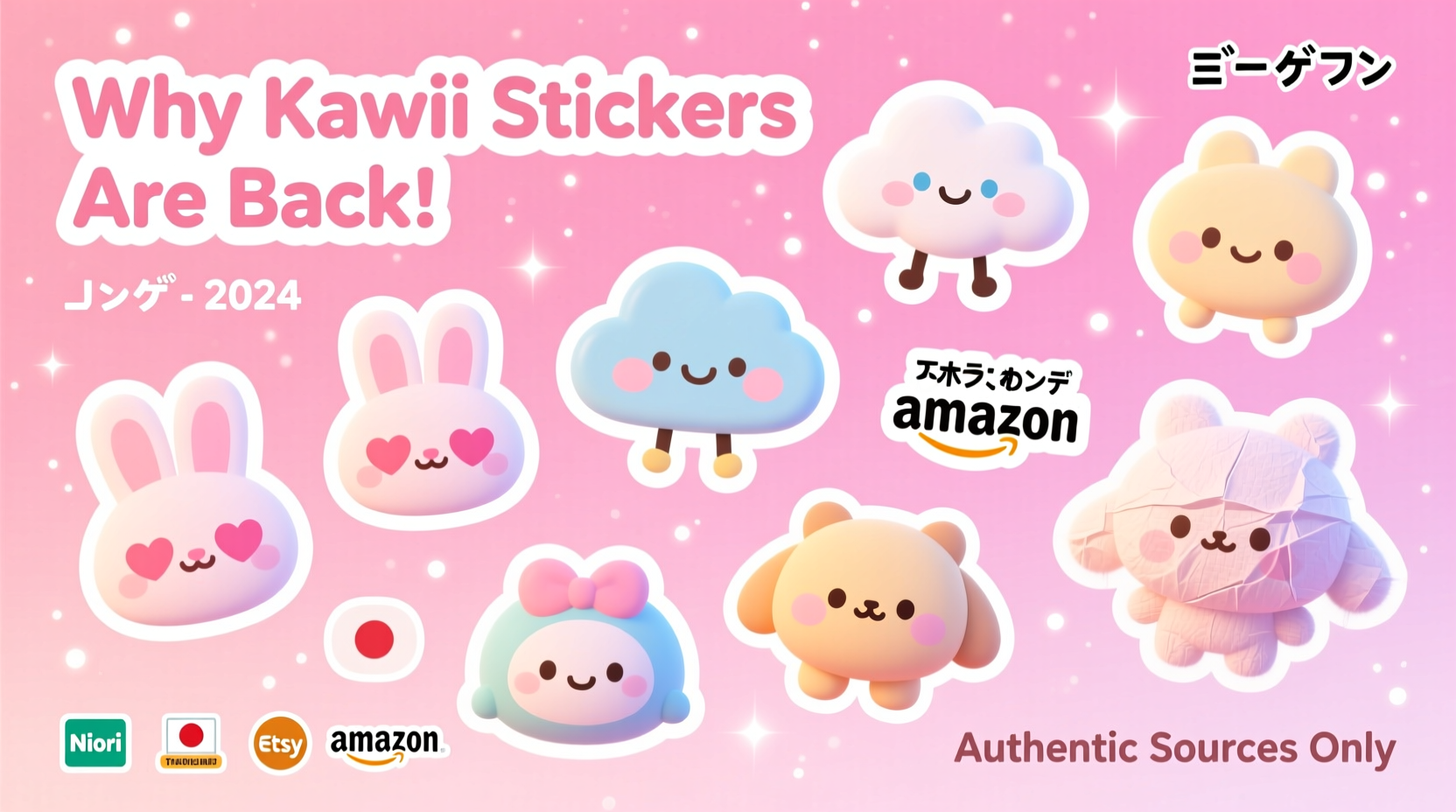
In recent months, kawaii stickers have surged back into mainstream popularity. Once seen as niche collectibles or nostalgic throwbacks to early 2000s stationery culture, these cheerful, pastel-hued decals are now appearing on laptops, water bottles, journals, and social media feeds worldwide. From Sanrio’s Hello Kitty to independent Japanese illustrators’ whimsical characters, the kawaii aesthetic is enjoying a renaissance. But what’s behind this resurgence? And more importantly, how can fans distinguish authentic kawaii stickers from mass-produced imitations flooding online marketplaces?
The answer lies in a confluence of cultural shifts, digital expression, and emotional resonance. As people seek comfort, joy, and personalization in everyday life—especially post-pandemic—the appeal of cute, expressive art has never been stronger. At the same time, platforms like TikTok and Instagram have amplified visual trends, turning sticker collecting into both a creative outlet and a form of identity.
The Cultural Comeback of Kawaii Culture
Kawaii, the Japanese concept of “cuteness,” has long influenced fashion, design, and pop culture globally. Originating in Japan during the 1970s with schoolgirls' handwriting styles and evolving through characters like Rilakkuma and Gudetama, kawaii aesthetics emphasize softness, innocence, and playfulness. What was once considered childish is now embraced by adults as a legitimate form of self-expression and emotional well-being.
Psychologists note that engaging with cute imagery can trigger positive emotional responses. A 2009 study published in *Emotion* found that viewing kawaii images improves focus and nurturing behavior. In an era marked by digital overload and stress, kawaii stickers offer micro-moments of delight—tiny bursts of happiness adhered to otherwise mundane objects.
“Cuteness isn’t just aesthetic; it’s therapeutic. People use kawaii items to reclaim joy and inject personality into their daily routines.” — Dr. Naomi Tanaka, Cultural Psychologist at Kyoto University
This emotional utility explains part of the trend’s staying power. Unlike fleeting fads, kawaii culture taps into universal human desires for warmth, simplicity, and connection.
Digital Platforms Fueling the Sticker Revival
Social media has played a pivotal role in reviving interest in physical kawaii stickers. On TikTok, hashtags like #kawaiistickers and #stickeraddict have amassed over 200 million views collectively. Users share unboxing videos, laptop customization setups, and bullet journal spreads adorned with layered sticker designs. These videos don’t just showcase products—they build communities.
YouTube and Pinterest further amplify the trend, offering tutorials on how to style stickers, create sticker albums, or even make DIY versions using printable templates. The visual nature of these platforms makes stickers highly shareable content. A single aesthetically pleasing photo of a planner covered in glittery clouds and smiling animals can go viral overnight.
Moreover, influencers in the stationery, mental health, and lifestyle niches frequently feature kawaii stickers as tools for mindfulness and creativity. For example, popular content creator @PlannerJoy credits her anxiety reduction to “decorating my journal every morning with little kawaii rewards.” This narrative reframes stickers not as frivolous accessories but as meaningful wellness aids.
Why Physical Stickers Still Matter in a Digital Age
Despite the rise of digital stickers (e.g., iMessage packs), there’s growing demand for tangible versions. Tactile interaction enhances emotional engagement. Peeling off a sticker, placing it deliberately, and seeing it age over time creates a sense of ownership and memory-making.
Additionally, physical stickers serve as low-cost, high-impact personalization tools. In a world dominated by uniform devices and minimalistic design, slapping a pink strawberry cat on your MacBook becomes an act of rebellion—a declaration of individuality.
Tip: Rotate your stickers seasonally to keep your gear feeling fresh and reflective of your current mood or interests.Spotting Authentic vs. Fake Kawaii Stickers
With rising demand comes an influx of counterfeit goods. Many online sellers offer “Japanese-style” stickers at suspiciously low prices, often printed on flimsy paper with inaccurate colors or blurry details. Authentic kawaii stickers, especially those from Japan, are typically made with durable vinyl, feature vibrant CMYK printing, and come with official branding or holographic seals.
Here’s how to tell the difference:
| Feature | Authentic Kawaii Stickers | Fake/Imitation Stickers |
|---|---|---|
| Material | High-quality vinyl or laminated paper | Thin paper or cheap plastic |
| Printing Quality | Crisp lines, accurate colors, no smudging | Faded hues, pixelation, misaligned edges |
| Brand Markings | Official logos, copyright info, barcodes | No markings or fake brand names |
| Packaging | Sealed cellophane, branded backing cards | Bulk bags, no packaging consistency |
| Price Range | $3–$8 per sheet (Japan imports) | $0.50–$2 per sheet (mass-market) |
Counterfeits not only disappoint in quality but also undermine the artists and companies who create original designs. Supporting authentic producers ensures fair compensation and encourages continued innovation in the kawaii space.
Checklist: How to Verify Authenticity Before Buying
- ✅ Check if the seller lists the manufacturer (e.g., Sanrio, Sekiguchi, Jet Lag)
- ✅ Look for product descriptions mentioning “imported from Japan” or “official merchandise”
- ✅ Read customer reviews focusing on print quality and material durability
- ✅ Avoid listings with stock photos only—real sellers show actual product shots
- ✅ Confirm return policies in case the item doesn’t match expectations
Where to Buy Authentic Kawaii Stickers Online
For collectors and casual fans alike, sourcing genuine kawaii stickers requires knowing which retailers prioritize authenticity and customer experience. Below are some of the most trusted global sources:
- Sanrio Official Store (sanrio.com): The home of Hello Kitty, My Melody, and Cinnamoroll offers seasonal sticker drops, limited editions, and collaborations. All items are licensed and manufactured under strict quality control.
- Jet Lag (jetlagstore.com): A U.S.-based boutique specializing in Japanese stationery and kawaii goods. They import directly from Japanese suppliers and curate themed sticker boxes monthly.
- Ippin (ip-pin.com): Focuses on authentic Japanese lifestyle products, including exclusive sticker sets from regional designers. Their “Kawaii Box” subscription includes rare finds not available elsewhere.
- Mandarake (mandarake.co.jp): One of Japan’s largest secondhand retailers with an international shipping option. Known for vintage and rare kawaii stickers, including discontinued series.
- Etsy (search with filters): While Etsy hosts many replicas, independent artists from Japan and Korea sell hand-designed digital prints and resin stickers. Use filters: “Location: Japan,” “Handmade,” and check shop reviews.
When shopping internationally, be mindful of customs fees and shipping times. Japanese domestic mail can take 2–4 weeks to reach North America or Europe unless expedited. Some stores, like Jet Lag, offer tracked shipping and package insurance for peace of mind.
Mini Case Study: How Emma Built a Thriving Sticker Collection
Emma Lin, a 28-year-old graphic designer in Toronto, began collecting kawaii stickers during lockdown as a way to cope with isolation. Starting with a $5 pack from a local anime store, she gradually built a curated collection of over 300 sheets. She prioritized authenticity by researching brands and joining Facebook groups like “Kawaii Collectors Worldwide.”
Within a year, Emma launched an Instagram account (@KawaiiChronicles) documenting her sticker displays and swaps. Her following grew to 15K, leading to collaboration offers from small sticker brands. Today, she runs a monthly sticker club with 200 members, each receiving a themed box of verified authentic imports.
“I didn’t expect it to become a community,” Emma says. “But when you surround yourself with real, well-made cuteness, it attracts other people who value intentionality and joy.”
How to Incorporate Kawaii Stickers Into Daily Life
Beyond decoration, kawaii stickers can enhance productivity, emotional tracking, and personal storytelling. Here’s a step-by-step guide to integrating them meaningfully:
- Start with a theme: Choose a focus—seasonal moods, hobbies, or affirmations (e.g., “You’ve got this!” with a smiling panda).
- Design a reward system: Place motivational stickers on your planner after completing tasks. Studies show gamification increases habit adherence.
- Create a sticker journal: Dedicate a notebook to sticker collages. Add notes about why you chose certain designs or dates they were used.
- Customize tech gear: Use weather-resistant vinyl stickers on laptops, tablets, or AirPod cases. Avoid placing near vents or ports.
- Gift personalized sets: Assemble custom sticker sheets for friends based on their interests—perfect for birthdays or care packages.
Over time, your sticker collection becomes a visual diary—a timeline of your tastes, emotions, and growth.
Frequently Asked Questions
Are kawaii stickers waterproof?
Most authentic vinyl kawaii stickers are water-resistant and can withstand light spills or humidity. However, prolonged exposure to moisture or submersion will degrade adhesive quality. For full waterproofing, look for UV-laminated or outdoor-grade vinyl labels.
Can I resell kawaii stickers for profit?
Yes, especially limited-edition or retired designs. Rare Sanrio x Pokémon crossover stickers have sold for over $100 on eBay. Always disclose condition and provenance to maintain trust with buyers.
Do kawaii stickers damage surfaces when removed?
High-quality stickers use removable adhesives that leave no residue on smooth surfaces like laptops or phone cases. Test on a small area first. Avoid using on textured or matte finishes, which may peel slightly upon removal.
Final Thoughts: Embrace the Joy, Support the Artists
The return of kawaii stickers isn’t just about nostalgia—it’s a reflection of deeper societal needs: comfort, creativity, and connection. In a fast-paced digital world, these small, tactile expressions remind us to slow down and celebrate the simple things.
As you explore this colorful trend, remember to support authentic creators and ethical sellers. Every sticker purchased from a legitimate source contributes to a sustainable ecosystem where artists are valued and craftsmanship is preserved.
🚀 Ready to start your kawaii journey? Visit one of the recommended stores today, pick a theme that speaks to you, and stick a little joy into your everyday life.








