Ingrown hairs are a common yet frustrating skin issue that affects millions of people, particularly those who regularly shave, wax, or epilate. While most hairs grow outward smoothly from the follicle, ingrown hairs curl back into the skin, causing inflammation, discomfort, and often appearing thicker and darker than normal. But why do they seem so thick? Understanding the science behind this appearance, along with the root causes and practical solutions, is key to managing and preventing them effectively.
Why Do Ingrown Hairs Appear Thicker?
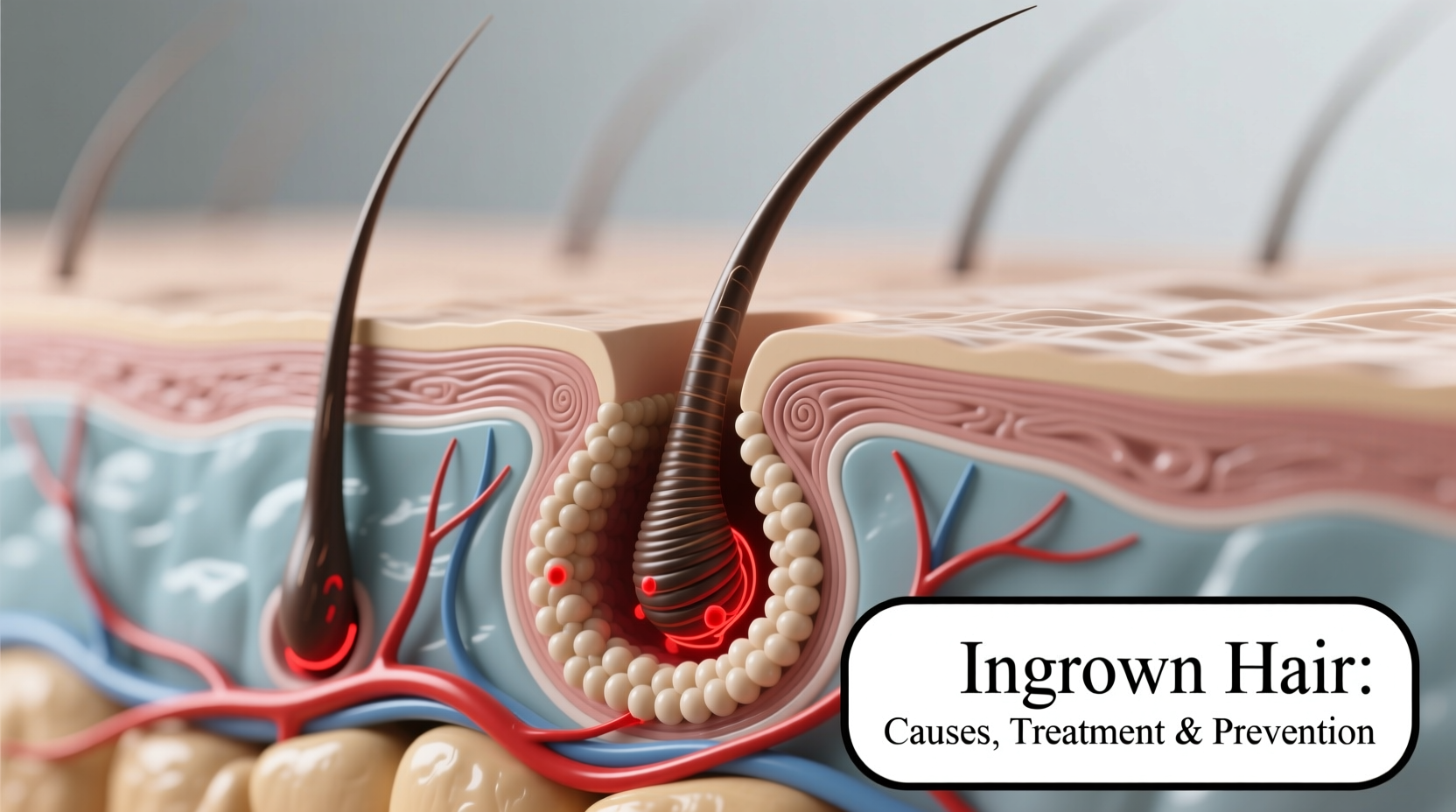
The perception that ingrown hairs are “thicker” than regular hairs is largely due to how they interact with the skin. When a hair curls back and re-enters the dermis, it creates a small bump—often red, swollen, and sometimes filled with pus. This localized inflammation makes the surrounding area appear raised, drawing attention to the embedded hair shaft. Because the hair is trapped beneath the surface, only a portion may be visible, creating the illusion of thickness or coarseness.
In reality, the hair itself isn’t necessarily thicker—it’s the body’s inflammatory response and the way light reflects off the raised lesion that amplifies its appearance. Additionally, repeated trauma from shaving can cause vellus hairs (normally fine and soft) to become terminal hairs (darker and coarser) over time—a process known as *progressive hypertrichosis*. This contributes to the belief that ingrown hairs are inherently thick.
“Ingrown hairs don’t grow thicker, but chronic irritation can stimulate the follicle to produce coarser regrowth.” — Dr. Lena Torres, Dermatologist & Hair Specialist
Common Causes of Ingrown Hairs
Several factors contribute to the development of ingrown hairs. The most frequent triggers include:
- Improper hair removal techniques: Shaving too closely, using dull razors, or pulling skin taut during shaving increases the likelihood of hairs retracting under the skin.
- Clogged follicles: Dead skin cells and excess sebum can block the hair shaft from emerging properly, forcing it to grow sideways.
- Tight clothing: Friction from tight fabrics, especially in areas like the bikini line or underarms, can push hairs back into the skin.
- Natural hair texture: People with curly or coarse hair are more prone to ingrowns because their hair naturally tends to curl back after cutting.
- Over-exfoliation: Aggressive scrubbing can damage the skin barrier, making it easier for hairs to become trapped.
Effective Treatment Options
Treating ingrown hairs requires a balance between gentle intervention and allowing the skin to heal. Here’s a step-by-step guide to safely manage existing ingrowns:
- Stop hair removal in the affected area: Allow the skin time to recover. Continuing to shave or wax can worsen inflammation.
- Apply warm compresses: Use a clean cloth soaked in warm water for 10–15 minutes, 3–4 times daily. This softens the skin and may help the hair emerge naturally.
- Exfoliate gently: After the area has calmed, use a chemical exfoliant containing salicylic acid or glycolic acid to prevent dead skin buildup.
- Use topical treatments: Apply over-the-counter creams with ingredients like benzoyl peroxide (to reduce bacteria) or hydrocortisone (to ease swelling).
- Extract only if visible: If the tip of the hair is protruding, use sterilized tweezers to gently lift it out—never dig or pluck completely.
If the ingrown persists beyond two weeks, becomes increasingly painful, or shows signs of infection (pus, spreading redness), consult a dermatologist. In-office treatments such as minor incision drainage or prescription retinoids may be necessary.
Prevention: A Long-Term Strategy
Preventing ingrown hairs is far more effective than treating them after they occur. A consistent skincare routine tailored to your hair removal habits can significantly reduce recurrence.
| Do’s | Don’ts |
|---|---|
| Exfoliate 2–3 times weekly with a mild chemical exfoliant | Use harsh scrubs or loofahs daily |
| Moisturize daily to maintain skin elasticity | Skip moisturizer, especially after shaving |
| Shave after a warm shower when pores are open | Shave on dry skin without lubrication |
| Replace razors every 5–7 uses | Share razors or use dull blades |
| Wear loose-fitting clothing post-hair removal | Wear tight jeans or synthetic fabrics immediately after waxing |
Real-Life Example: Managing Bikini Line Ingrowns
Sophia, a 29-year-old fitness instructor, struggled with recurring ingrown hairs along her bikini line after switching to Brazilian waxes. Despite regular salon visits, she developed painful bumps within days. After consulting a dermatologist, she learned that her post-wax routine—wearing tight leggings and skipping exfoliation—was contributing to the issue. By switching to loose cotton underwear, applying a salicylic acid lotion every other day, and avoiding hair removal for six weeks to let follicles reset, her skin cleared significantly. She now maintains smooth skin with biweekly gentle exfoliation and proper hydration.
Expert-Recommended Prevention Checklist
To minimize the risk of ingrown hairs, follow this actionable checklist:
- ✅ Shower before hair removal to open pores and soften hair
- ✅ Use a sharp, clean razor or seek professional waxing
- ✅ Apply a hydrating shaving cream or gel—never dry shave
- ✅ Shave in the direction of hair growth, not against it
- ✅ Exfoliate 2–3 times per week with AHAs or BHAs
- ✅ Moisturize daily with fragrance-free lotions
- ✅ Avoid tight clothing for at least 24 hours after hair removal
- ✅ Consider laser hair removal for long-term reduction
“Prevention starts with understanding your skin type and hair growth pattern. One-size-fits-all approaches often fail.” — Dr. Marcus Reed, Board-Certified Dermatologist
Frequently Asked Questions
Can ingrown hairs lead to permanent scarring?
Yes, especially if repeatedly picked or infected. Post-inflammatory hyperpigmentation (dark spots) and keloid scarring can occur, particularly in individuals with darker skin tones. Early intervention and avoiding manipulation reduce this risk.
Is it safe to pop an ingrown hair like a pimple?
No. Popping increases the chance of infection and scarring. Unlike pimples, ingrown hairs involve a foreign body (the hair) beneath the skin. Squeezing can drive it deeper. Instead, use warm compresses and allow natural resolution.
Does laser hair removal prevent ingrown hairs?
Yes, in most cases. Laser treatment targets the pigment in hair follicles, reducing hair density and thickness over time. With fewer and finer hairs growing back, the likelihood of ingrowns drops significantly. It’s especially effective for individuals with coarse, curly hair prone to embedding.
Final Thoughts and Call to Action
Ingrown hairs may seem like a minor annoyance, but left unmanaged, they can lead to chronic skin issues, discoloration, and discomfort. Recognizing that their “thickness” is often a visual effect of inflammation—not an actual change in hair structure—helps demystify the condition. With proper technique, consistent exfoliation, and mindful aftercare, most people can achieve smooth, ingrown-free skin.
Start today by auditing your current hair removal routine. Are you using the right tools? Giving your skin enough recovery time? Incorporating preventive care? Small adjustments can yield dramatic improvements. Share your own tips or experiences in the comments below—your insight could help someone finally break free from the cycle of ingrown hairs.
💬 Have a story about overcoming stubborn ingrown hairs? We’d love to hear what worked for you—join the conversation and help others find relief!








