Chihuahuas are among the most recognizable dog breeds—tiny bodies, large eyes, and outsized personalities. But for every admirer, there’s someone who finds them “annoying.” Excessive barking, stubbornness, shyness, or aggression can make cohabitation challenging. The truth is, these behaviors aren’t arbitrary; they stem from instinct, environment, and human interaction. Understanding the roots of chihuahua behavior transforms frustration into empathy—and better living for both pet and owner.
The Myth of the \"Annoying\" Chihuahua
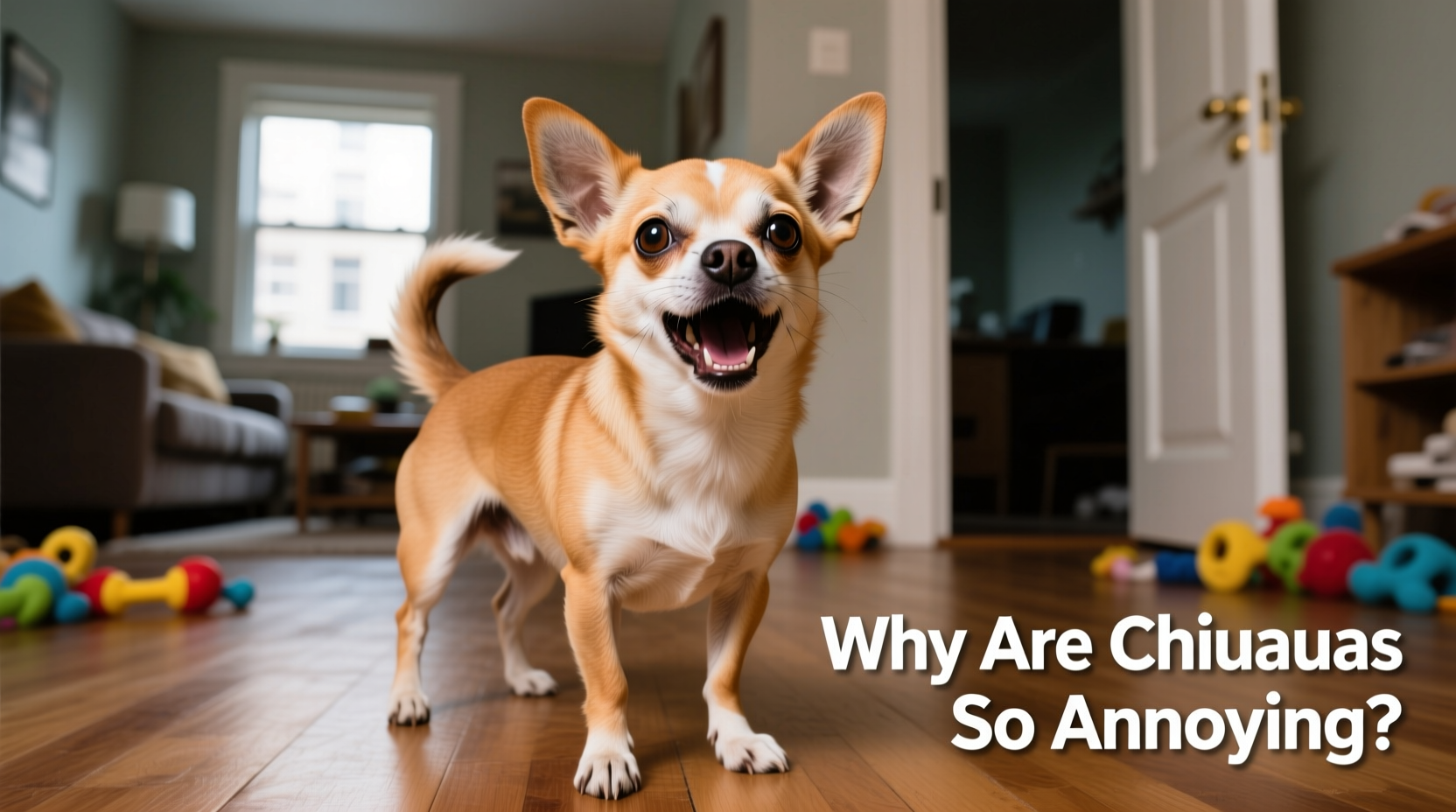
Labeled as yappy, bossy, or neurotic, chihuahuas often bear the brunt of negative stereotypes. Yet, no dog is inherently “annoying.” What people perceive as nuisance behavior is usually a form of communication. A chihuahua barks at the mail carrier not out of malice but because it feels responsible for protecting its territory. It trembles during thunderstorms due to heightened sensitivity, not drama.
These dogs were bred for companionship, not obedience trials or hunting. Their loyalty is intense, their alertness sharp, and their emotional responsiveness high. When unmet needs manifest as persistent barking or clinginess, it’s not manipulation—it’s a signal that something is off in their world.
Tip: Never punish a chihuahua for barking without first identifying the cause. Address fear, boredom, or overstimulation instead.Nature vs. Nurture: Why Chihuahuas Act the Way They Do
Genetics play a role. Chihuahuas descend from ancient companion dogs revered by Mesoamerican civilizations. Their small size made them ideal lap dogs, but also vulnerable. This evolutionary background contributes to vigilance and defensiveness—a survival mechanism amplified in modern homes where they’re often overprotected or mishandled.
However, upbringing is equally critical. A chihuahua raised in isolation, carried everywhere, or never exposed to new environments will develop insecurity. Small dogs are frequently excused from training because “they’re just little,” leading to poor socialization and reinforced bad habits.
“Small dogs suffer from a double standard. We tolerate behaviors in a 5-pound chihuahua we’d correct in a Labrador. That leniency creates anxiety and dominance issues.” — Dr. Karen Becker, Integrative Veterinarian
Common Behaviors and What They Really Mean
Understanding specific actions helps decode your chihuahua’s mindset. Below is a breakdown of frequent “annoying” traits and their underlying causes:
| Behavior | What It Means | Solution |
|---|---|---|
| Excessive barking | Alertness, fear, or demand attention | Desensitization training, mental stimulation |
| Shaking or trembling | Cold, excitement, or anxiety | Warm clothing, safe space, routine |
| Aggression toward strangers or pets | Protectiveness or fear-based defense | Gradual socialization, positive reinforcement |
| Separation anxiety | Over-attachment due to constant proximity | Independence training, crate use, gradual absences |
| Refusing to walk on leash | Fear of surfaces, lack of early exposure | Short, positive walks, textured surfaces practice |
Mini Case Study: From Nuisance to Companion
Maria adopted Luna, a two-year-old chihuahua, from a shelter. Luna barked nonstop at visitors, lunged at larger dogs, and refused to go outside. Frustrated, Maria considered rehoming her. Instead, she consulted a canine behaviorist. The assessment revealed under-socialization and learned fear. Over eight weeks, Maria implemented a structured plan: daily 10-minute outdoor exposure, treat-based visitor greetings, and quiet time in a designated corner when overwhelmed. Today, Luna greets guests calmly and enjoys short walks. The “annoying” behaviors faded once her emotional needs were addressed.
How to Build a Calmer, Happier Chihuahua
Improving behavior isn’t about suppression—it’s about guidance. These steps foster confidence and reduce stress-induced reactions.
Step-by-Step Guide to Better Behavior
- Establish a routine: Feed, walk, and play at consistent times. Predictability reduces anxiety.
- Practice controlled socialization: Introduce new people, pets, and environments slowly, using treats to create positive associations.
- Train basic commands: “Sit,” “stay,” and “quiet” build focus and reinforce your role as leader.
- Provide mental stimulation: Puzzle toys, scent games, and short training sessions prevent boredom-related barking.
- Set boundaries: Don’t allow jumping on furniture if you later want to discourage it. Consistency is key.
Checklist: Daily Habits for a Balanced Chihuahua
- ✅ 15 minutes of structured play or training
- ✅ Two short walks or indoor movement sessions
- ✅ One socialization or desensitization exercise (e.g., sound exposure, guest greeting)
- ✅ Quiet time in a designated safe zone (crate or bed)
- ✅ No reinforcing unwanted behaviors (e.g., picking up when whining)
Debunking Myths and Avoiding Mistakes
Many well-meaning owners unintentionally worsen behavioral issues. Common mistakes include:
- Carrying instead of walking: This limits confidence-building through independent exploration.
- Over-coddling during fear: Comforting a shaking dog during storms reinforces fear. Instead, stay calm and distract.
- Skipping training: Assuming small dogs don’t need obedience leads to chaos.
- Tolerating aggression: Saying “she’s just protective” excuses behavior that could escalate.
Remember: a well-mannered chihuahua isn’t born—it’s raised. Training isn’t cruel; it’s clarity.
FAQ: Understanding the Chihuahua Mindset
Why does my chihuahua bark at everything?
Chihuahuas have high alertness and low thresholds for stimuli. Barking is their primary tool for communication. Without training, this becomes habitual. Desensitization exercises and teaching a “quiet” command can significantly reduce excessive vocalization.
Are chihuahuas aggressive by nature?
No. While some individuals may be more assertive, aggression usually stems from fear, poor socialization, or inconsistent leadership. With proper handling, most chihuahuas are affectionate and sociable.
Can an older chihuahua learn new behaviors?
Absolutely. Dogs of any age can improve with patience and consistency. Older chihuahuas may take longer due to established habits, but positive reinforcement works at every life stage.
Conclusion: Compassion Over Criticism
The idea that chihuahuas are “annoying” says more about human expectations than canine character. These dogs thrive on connection, security, and clear guidance. When their behavior clashes with our lifestyle, the solution isn’t resentment—it’s education. By recognizing their instincts, addressing their fears, and setting kind but firm boundaries, you transform a high-strung companion into a loyal, joyful partner.
💬 Have a chihuahua success story or challenge? Share your experience in the comments—your insight could help another owner turn frustration into understanding.








