
Canker sores—small, painful ulcers that appear inside the mouth—are a common but often misunderstood condition. One of the most noticeable features is their white or yellowish center, which stands out against the surrounding red tissue. While they are not contagious like cold sores, their appearance and discomfort can interfere with eating, speaking, and daily life. Understanding why canker sores are white, what triggers them, and how to treat them effectively can help reduce both frequency and severity.
What Causes the White Appearance of Canker Sores?
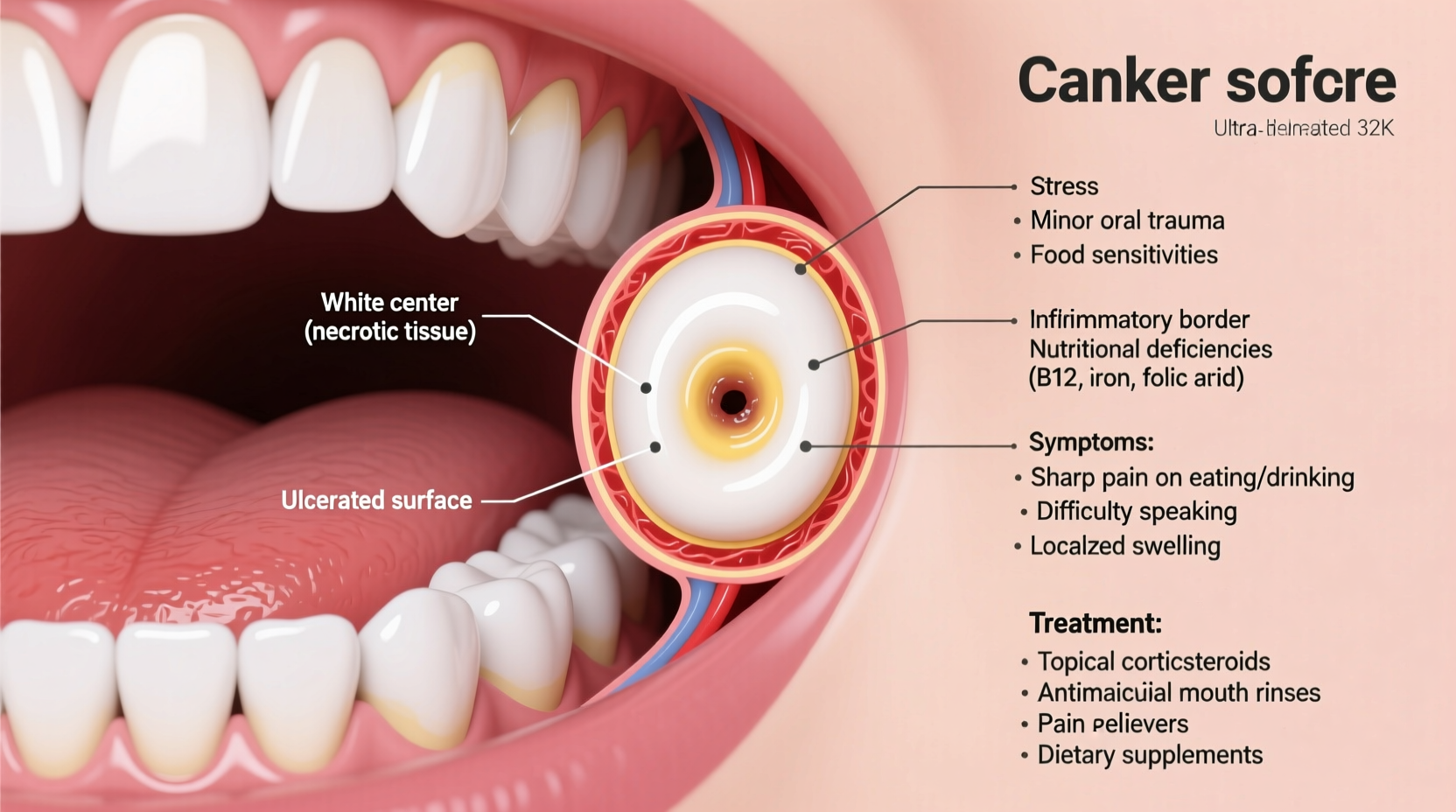
The white or yellowish color in the center of a canker sore is due to a combination of dead cells, fibrin (a protein involved in clotting), and inflammatory debris. When the mucosal lining of the mouth is damaged—whether from minor trauma, immune response, or irritation—a small ulcer forms. The body responds by sending white blood cells to the area, leading to localized inflammation and cell death. This creates the characteristic white patch seen at the core of the sore.
This necrotic center is protected by a thin membrane formed during healing. Over time, as new tissue regenerates, the white spot gradually diminishes and the sore resolves on its own.
Tip: Avoid poking or picking at the white center of a canker sore—it can delay healing and increase the risk of infection.Common Causes and Triggers of Canker Sores
While the exact cause of canker sores remains unclear, several factors are known to trigger outbreaks. These include:
- Minor oral injuries: Biting your cheek, aggressive brushing, or dental work can damage soft tissues.
- Stress and hormonal changes: Emotional stress and fluctuations in hormone levels—especially in women—can contribute to outbreaks.
- Nutritional deficiencies: Low levels of vitamin B12, iron, zinc, or folic acid are linked to recurrent canker sores.
- Food sensitivities: Acidic or spicy foods like citrus, tomatoes, and pineapple may irritate the mouth lining.
- Immune system issues: An overactive immune response may attack healthy mouth cells.
- Oral hygiene products: Sodium lauryl sulfate (SLS), found in many toothpastes, can dry out oral tissues and increase susceptibility.
“Recurrent aphthous stomatitis—the medical term for frequent canker sores—is often multifactorial. Identifying personal triggers is key to prevention.” — Dr. Linda Chen, Oral Medicine Specialist
Symptoms and Types of Canker Sores
Canker sores typically begin as a tingling or burning sensation before evolving into a visible ulcer. Common symptoms include:
- Pain or discomfort when eating, drinking, or speaking
- A round or oval sore with a white or yellow center and red border
- Swollen lymph nodes in severe cases
- Fever (rare, usually only with major outbreaks)
There are three main types of canker sores:
| Type | Size | Duration | Frequency |
|---|---|---|---|
| Minor Aphthae | Less than 1 cm | 7–10 days | Most common (80% of cases) |
| Major Aphthae | 1 cm or larger | Up to 6 weeks | Less common, more painful |
| Herpetiform Sores | Pinpoint size, appear in clusters | 1–2 weeks | Rare, resemble herpes but are not viral |
Effective Treatment Options
Most canker sores heal on their own within one to two weeks. However, various treatments can speed up recovery and relieve pain.
Over-the-Counter Remedies
- Topical gels and ointments: Products containing benzocaine or fluocinonide numb the area and reduce inflammation.
- Mouth rinses: Antimicrobial or steroid-based rinses like dexamethasone can soothe irritation.
- Protective pastes: Barriers like Orabase shield the sore from food and saliva.
Lifestyle and Home Care
- Rinse with salt water (1/2 teaspoon in warm water) 3–4 times daily to promote healing.
- Apply a damp black tea bag to the sore—tannins have mild anti-inflammatory properties.
- Avoid acidic, spicy, or rough-textured foods until healed.
- Switch to an SLS-free toothpaste to minimize irritation.
Medical Treatments for Recurrent Cases
If canker sores occur frequently (more than two or three times per year), consult a healthcare provider. Prescription options may include:
- Oral corticosteroids to suppress immune overactivity
- Vitamin B12, iron, or zinc supplements if deficiency is detected
- Chemical cauterization using debacterol or silver nitrate for immediate pain relief
Prevention Checklist
Reducing the frequency of canker sores involves consistent habits and awareness. Use this checklist to minimize outbreaks:
- ☑ Use a soft-bristled toothbrush to avoid gum and cheek abrasions
- ☑ Choose toothpaste without sodium lauryl sulfate (SLS)
- ☑ Maintain a balanced diet rich in B vitamins, iron, and zinc
- ☑ Manage stress through mindfulness, sleep, or exercise
- ☑ Identify and avoid food triggers (e.g., nuts, chocolate, strawberries)
- ☑ Stay hydrated to prevent dry mouth and mucosal cracking
Real-Life Example: Managing Recurrent Sores
Sarah, a 29-year-old teacher, experienced canker sores every few months, especially during exam periods. After tracking her outbreaks, she noticed a pattern: stress, late nights, and increased coffee intake preceded each episode. She also used a popular whitening toothpaste containing SLS.
With guidance from her dentist, Sarah switched to an SLS-free toothpaste, started taking a daily B-complex supplement, and introduced short meditation sessions into her routine. Over six months, her canker sore frequency dropped from four to just one minor outbreak. Her experience highlights how identifying lifestyle and product-related triggers can lead to meaningful improvement.
FAQ
Are white spots always canker sores?
No. White patches in the mouth could also indicate oral thrush (a fungal infection), leukoplakia, or even early signs of oral cancer. If a white spot lasts longer than two weeks or doesn’t hurt, see a dentist for evaluation.
Can I spread canker sores to others?
No. Unlike cold sores caused by the herpes virus, canker sores are not contagious. They result from internal factors, not infection.
When should I see a doctor for a canker sore?
Seek medical advice if sores are unusually large, last more than three weeks, make it hard to eat or drink, or occur frequently. Persistent ulcers may signal an underlying health issue such as celiac disease, Crohn’s disease, or a vitamin deficiency.
Conclusion: Take Control of Your Oral Health
Understanding why canker sores appear white—the mix of dead cells and inflammatory response—helps demystify their presence. While occasional sores are normal, recurring or severe cases warrant attention. By recognizing triggers, adopting preventive habits, and using targeted treatments, you can significantly reduce discomfort and downtime.
Don’t ignore persistent mouth ulcers. Small changes in diet, oral care, and stress management can lead to lasting improvements. Your mouth is a window to your overall health—listen to what it’s telling you.
💬 Have a tip that helped you heal a canker sore faster? Share your experience in the comments and help others find relief.








