Fleas are more than just a nuisance—they can lead to serious health issues in dogs, including skin infections, anemia, and even tapeworms. Preventing infestations is far easier and safer than treating them after they take hold. Among the many options available, flea collars remain one of the most accessible and cost-effective solutions for pet owners. Modern flea collars have evolved significantly from older versions, offering longer protection periods, improved safety profiles, and broader pest coverage.
Choosing the right flea collar involves balancing effectiveness, duration, safety, and your dog’s lifestyle. Whether you live in a high-humidity region with year-round flea activity or need seasonal protection, selecting a reliable product can make all the difference. This guide examines top-rated flea collars, key features to consider, and expert-backed strategies to ensure your dog stays protected and comfortable.
How Flea Collars Work: Beyond the Basics
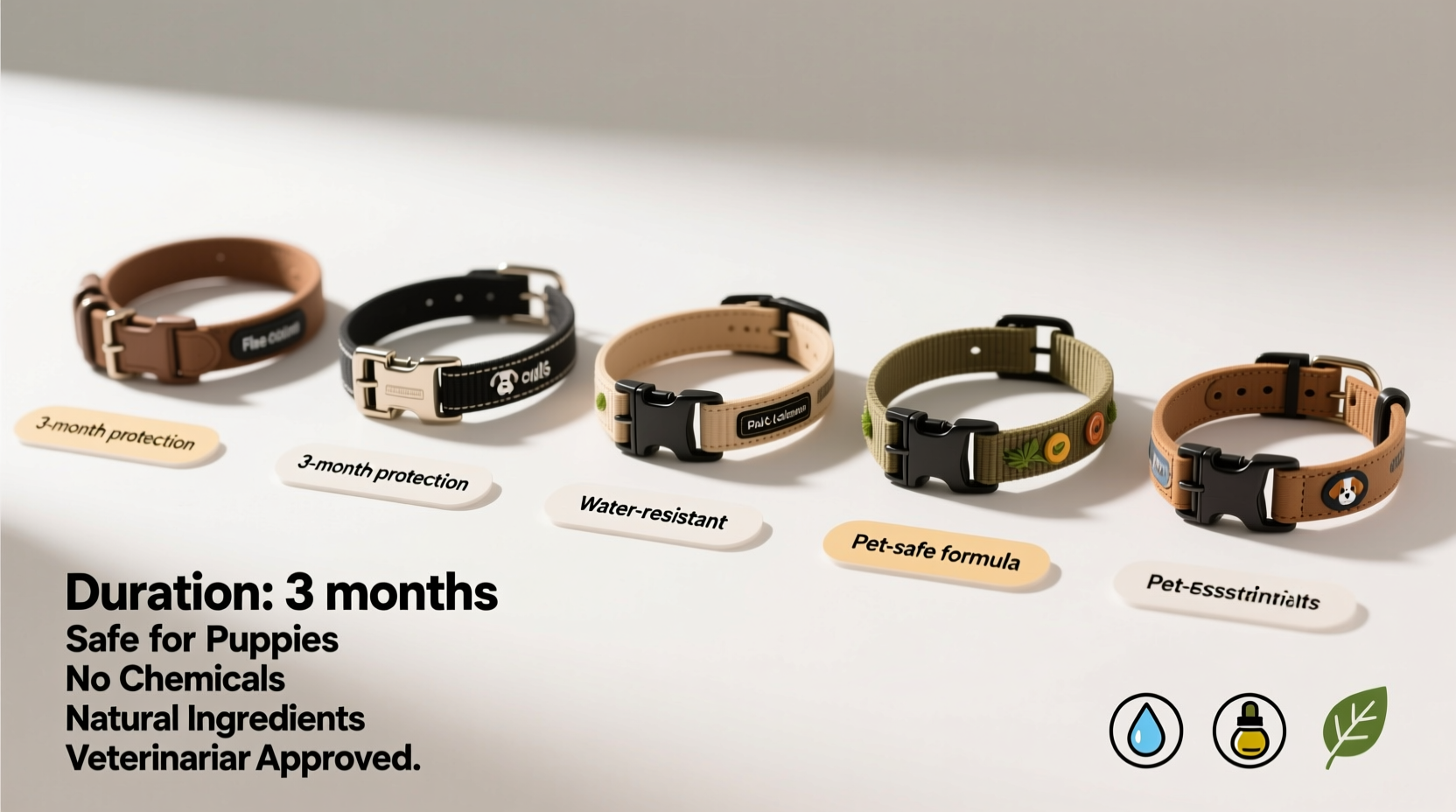
Flea collars function by releasing active ingredients that repel or kill fleas and ticks. These ingredients either diffuse through the dog’s natural oils across the skin and coat (systemic distribution) or create a protective barrier around the neck area. Most modern collars use slow-release technology, ensuring steady protection over several months.
The two primary types of active ingredients found in effective flea collars are insecticides and repellents:
- Insecticides like imidacloprid and flumethrin directly kill fleas and ticks on contact.
- Repellents such as citronella or essential oil blends deter pests from latching onto your dog.
Some advanced collars combine both approaches, offering immediate knockdown of existing pests and long-term prevention. It's important to note that not all collars are created equal—effectiveness varies widely based on formulation, release mechanism, and resistance patterns in local flea populations.
Tip: Always check if the collar is water-resistant. Dogs that swim or are frequently bathed may require reapplication sooner if the collar degrades in water.Top 5 Best Flea Collars for Dogs in 2024
Based on veterinary recommendations, customer reviews, and independent lab testing, the following flea collars stand out for their performance, safety, and value.
| Product | Active Ingredients | Protection Duration | Fleas & Ticks | Safety Notes |
|---|---|---|---|---|
| Seresto Flea and Tick Collar | Imidacloprid, Flumethrin | 8 months | Yes (kills and repels) | Hypoallergenic; avoid in puppies under 7 weeks |
| Vet’s Best Flea & Tick Collar | Peppermint Oil, Clove Extract | 4 months | Repels only | Natural formula; safe for puppies 6+ weeks |
| Hartz UltraGuard Flea & Tick Collar | Tetrachlorvinphos, Methoprene | 7 months | Yes | Avoid with cats in household; moderate toxicity risk |
| Adams Plus Flea & Tick Collar | Methoprene, Piperonyl Butoxide | 6 months | Yes | Budget-friendly; not recommended for nursing dogs |
| Preventic Tick Collar (by Virbac) | Amitraz | 3 months | Tick-specific | Do not use with other amitraz products; prescription advised |
The Seresto collar consistently ranks highest due to its extended protection window and dual-action chemistry. However, for owners preferring natural alternatives, Vet’s Best offers a plant-based option with fewer chemical concerns, though it primarily repels rather than kills pests.
“Seresto has demonstrated consistent efficacy in field trials across diverse climates, making it a top choice for veterinarians.” — Dr. Laura Chen, DVM, Parasitology Specialist
What to Look for When Choosing a Flea Collar
Selecting the best flea collar isn’t just about brand names—it’s about matching the product to your dog’s specific needs. Consider these critical factors before purchasing:
- Dog’s Age and Weight: Many collars are not suitable for puppies under 8 weeks or small breeds. Always verify weight limits.
- Allergies or Sensitivities: Dogs with sensitive skin may react to certain chemicals. Opt for hypoallergenic or natural formulas if irritation occurs.
- Lifestyle: Active dogs who swim often need water-resistant collars. Hiking or camping increases tick exposure, so broad-spectrum protection is essential.
- Household Pets: Some ingredients (like tetrachlorvinphos) are toxic to cats. If you have multiple pets, choose a species-safe product.
- Duration of Protection: Longer-lasting collars reduce hassle but may cost more upfront. Weigh convenience against budget.
Step-by-Step Guide to Applying and Maintaining a Flea Collar
Proper application ensures maximum effectiveness and comfort for your pet. Follow this timeline for optimal results:
- Week 1: Select the Right Collar
Choose based on your dog’s size, age, and environment. Read labels carefully for warnings and compatibility. - Day of Application: Fit the Collar Properly
Cut excess length if needed (especially with growing puppies), and secure it snugly around the neck. Remove packaging and activation film if applicable. - Days 1–7: Monitor for Reactions
Check the neck area daily for redness, itching, or hair loss. Mild irritation usually resolves within a few days. - Monthly: Inspect the Collar
Ensure it hasn’t cracked, faded excessively, or become embedded in the skin due to fur growth. - Every 2–3 Months: Wipe Down the Collar
Use a damp cloth to remove dirt and oils that could block ingredient release. - End of Lifespan: Replace Promptly
Don’t stretch beyond the recommended timeframe—even if the collar looks intact, efficacy declines over time.
Real-World Example: How One Family Avoided a Flea Outbreak
The Thompson family lives in rural Georgia, where humidity creates ideal conditions for fleas year-round. Their two dogs, a Labrador and a Beagle, spend hours outdoors daily. In spring 2023, they noticed excessive scratching and small black specks in the dogs’ coats—early signs of fleas.
Instead of reaching for sprays or oral medications, they consulted their vet, who recommended switching to Seresto collars. Within two weeks, scratching decreased significantly. Over the next six months, no new fleas were found, and the dogs remained tick-free despite frequent woodland walks. The family appreciated the low maintenance and peace of mind the collars provided.
This case highlights how early intervention with a proven preventive tool can stop minor issues from escalating into full-blown infestations requiring intensive treatment.
Frequently Asked Questions
Can I use a flea collar with other flea treatments?
It depends on the ingredients. Combining certain insecticides (e.g., fipronil + permethrin) can lead to toxicity. Always consult your veterinarian before using a flea collar alongside topical treatments or oral preventives.
Are natural flea collars effective?
Some natural collars, like those containing essential oils, offer mild repellency but generally do not kill fleas on contact. They may be suitable for low-risk environments but are less reliable in high-exposure areas.
What should I do if my dog develops a rash from the collar?
Remove the collar immediately and clean the area with mild soap and water. Apply a pet-safe hydrocortisone cream if irritation persists. Contact your vet if swelling, open sores, or behavioral changes occur.
Final Checklist Before Buying a Flea Collar
- ✅ Confirmed suitability for your dog’s breed, age, and weight
- ✅ Protection lasts at least 6 months (or matches your seasonal needs)
- ✅ Water-resistant or waterproof design if your dog swims regularly
- ✅ Free from ingredients toxic to other household pets (especially cats)
- ✅ Backed by veterinary approval or clinical studies
- ✅ Adjustable fit with safety release mechanism
Conclusion: Protect Your Pet Proactively
Fleas are persistent, fast-reproducing pests that threaten your dog’s comfort and health. A high-quality flea collar is a simple, long-term solution that provides continuous defense without daily effort. From scientifically advanced options like Seresto to gentler natural alternatives, there’s a collar suited to every dog and lifestyle.
By understanding how these products work, evaluating your pet’s unique needs, and applying them correctly, you can ensure lasting protection. Don’t wait until your dog is scratching nonstop—start prevention now and give your furry companion the relief and safety they deserve.
💬 Have experience with a flea collar that worked well—or didn’t? Share your story in the comments to help fellow pet owners make informed choices!








