
Traveling with a small dog can be one of life’s joys—whether it’s a weekend getaway, a cross-country road trip, or a flight to visit family. But for many pet owners, the logistics of safely transporting their furry companion in a pet carrier present real challenges. A poorly chosen carrier, inadequate preparation, or overlooked safety details can turn a simple journey into a stressful ordeal—for both dog and owner.
The right approach combines thoughtful planning, proper equipment, and an understanding of your dog’s emotional and physical needs. From selecting the ideal carrier to acclimating your pet and navigating airline regulations, every step counts toward a smooth, safe experience. This guide delivers actionable insights to help you travel confidently with your small dog, ensuring comfort, security, and peace of mind on every trip.
Choosing the Right Pet Carrier
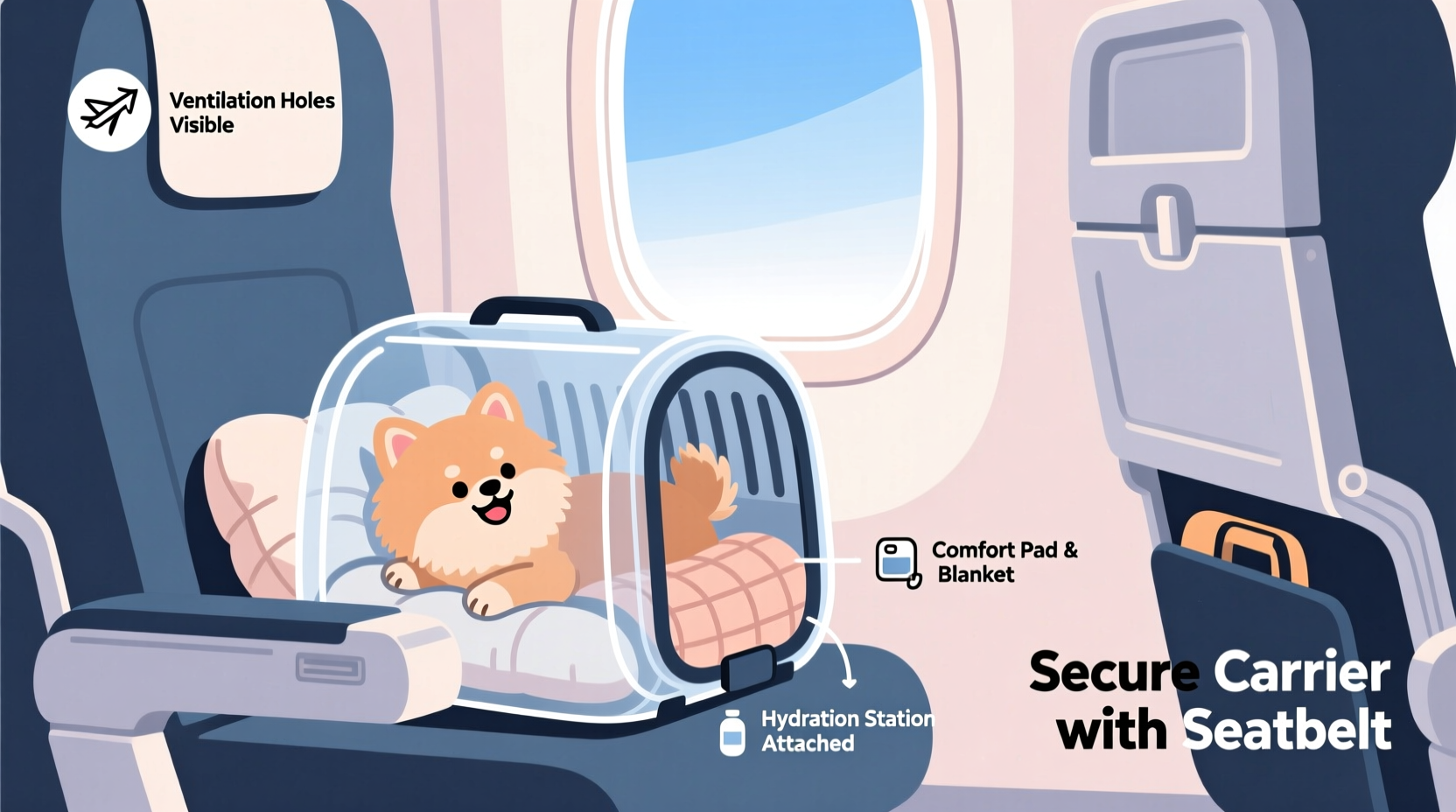
The foundation of safe and comfortable travel begins with the carrier itself. Not all carriers are created equal, and choosing one that fits your dog’s size, temperament, and travel mode is essential.
Carriers come in three primary types: soft-sided, hard-sided, and backpack styles. Soft-sided carriers offer breathability and flexibility but may lack structural protection in accidents. Hard-sided carriers provide superior durability and crash resistance, making them ideal for air travel or long car rides. Backpack carriers are convenient for short trips but should only be used if your dog remains secure and calm.
Tip: Always choose a carrier that allows your dog to stand, turn around, and lie down comfortably. Measure your dog from nose to tail and add 4–6 inches for wiggle room.Ensure the carrier meets IATA (International Air Transport Association) standards if flying. Look for features like reinforced stitching, secure zippers, ventilation on at least three sides, and a removable, washable pad. Top-loading options make it easier to place a nervous dog inside without pressure from above.
Preparing Your Dog for Travel
Dogs thrive on routine, and sudden changes—especially confinement in a new space—can trigger anxiety. Preparing your dog weeks before travel reduces fear and builds positive associations with the carrier.
- Introduce the carrier early: Leave it open in a common area with treats, toys, and a cozy blanket inside. Let your dog explore it voluntarily.
- Use positive reinforcement: Reward every interaction with praise or a treat. Never force your dog inside.
- Practice short sessions: Close the door briefly while your dog is inside, then open it immediately. Gradually increase duration.
- Simulate travel conditions: Take short car rides with the carrier secured on the seat. Start with five minutes and build up.
For dogs prone to motion sickness or anxiety, consult your veterinarian. They may recommend anti-nausea medication or mild sedatives for longer trips—but never medicate without professional guidance.
Real Example: Traveling with a Rescue Chihuahua
Sophie, a 5-pound rescue Chihuahua, had never left her home state. Her owner, Mark, planned a flight to visit relatives. Three weeks before departure, he introduced a hard-shell IATA-compliant carrier. He placed Sophie’s favorite fleece blanket inside and fed her meals there daily. Within days, she began napping in it voluntarily. Mark practiced closing the door during feeding and took her on brief drives. On flight day, Sophie entered the carrier willingly and remained calm throughout the journey. The key? Consistency and patience.
Ensuring Safety During Transit
Once your dog is accustomed to the carrier, focus shifts to real-time safety during movement. Whether driving or flying, the risks differ—but the goal remains the same: protect your pet from injury and stress.
| Travel Mode | Carrier Placement | Safety Tips |
|---|---|---|
| Car | Back seat, secured with seatbelt or anchored behind front seat | Avoid placing carrier in footwells or near airbags; never leave dog unattended in vehicle |
| Airplane | Under the seat in cabin (if allowed) | Contact airline in advance; ensure carrier fits under seat dimensions; no sedation allowed per FAA rules |
| Train/Bus | Lap or floor at feet, depending on carrier size | Check carrier policies; keep dog quiet and contained during stops |
“Properly securing a pet carrier in a vehicle is as critical as using a child car seat. In a 30 mph collision, an unsecured 10-pound dog can exert over 300 pounds of force.” — Dr. Laura Bennett, Veterinary Behaviorist
Packing Essentials: What to Bring
Just like humans, dogs need supplies to stay comfortable and healthy on the road. Overpacking adds bulk, but under-packing creates risk. Use this checklist to ensure nothing vital is forgotten.
Travel Checklist for Small Dogs
- ✅ Properly sized, airline-approved pet carrier
- ✅ Leash and collar with ID tags
- ✅ Up-to-date vaccination records and health certificate (required for flights and some states)
- ✅ Collapsible water bowl and portable water container
- ✅ Familiar blanket or toy for comfort
- ✅ Waste bags and absorbent pads
- ✅ Food for the trip plus 24-hour extra supply
- ✅ Medications (with dosing instructions)
- ✅ Poop scoop or tissue pack
- ✅ Treats for calming or rewarding good behavior
For air travel, attach a visible tag to the carrier with your name, destination phone number, and any medical alerts (e.g., “Anxiety-prone—do not open��). Include a recent photo of your dog in case of separation.
Frequently Asked Questions
Can my small dog fly in the cabin with me?
Most airlines allow small dogs (typically under 20 lbs including carrier) in the cabin, provided the carrier fits under the seat. Policies vary by carrier—Southwest, Delta, and United each have specific fees, breed restrictions, and advance reservation requirements. Always confirm rules at booking.
How do I prevent my dog from overheating in the carrier?
Avoid direct sunlight and never leave your dog in a parked vehicle. Choose carriers with mesh ventilation and consider a cooling mat or frozen water bottle wrapped in cloth. Monitor for signs of distress: excessive panting, drooling, or lethargy.
What if my dog refuses to go into the carrier?
Forcing entry creates lasting fear. Instead, rebuild positive associations. Feed meals inside, hide treats, play near it, and reward calm behavior. If resistance persists, consult a trainer or behaviorist to address underlying anxiety.
Final Steps Before Departure
In the 24 hours before travel, take these final actions to ensure readiness:
- Exercise your dog: A walk or play session before packing helps reduce restlessness.
- Feed appropriately: Offer a light meal 3–4 hours before departure to minimize motion sickness.
- Double-check documentation: Vaccination records, health certificates, and airline forms must be current and accessible.
- Inspect the carrier: Confirm zippers work, seams are intact, and padding is clean.
- Label everything: Attach contact info to the carrier and include a copy inside.
During travel, monitor your dog discreetly. Speak in a calm voice, avoid opening the carrier in transit, and offer water during breaks. After arrival, allow time to decompress in a quiet space before introducing new environments.
Conclusion
Traveling with your small dog doesn’t have to be daunting. With the right carrier, gradual preparation, and attention to safety, you can create positive experiences that strengthen your bond and expand your adventures together. Comfort and safety aren’t luxuries—they’re responsibilities. By applying these strategies, you ensure your dog isn’t just along for the ride, but truly part of the journey.
🚀 Ready to hit the road? Pick one tip from this guide—acclimate your dog to the carrier, update ID tags, or practice a short drive—and implement it today. Share your travel stories or questions in the comments to help fellow pet parents travel smarter.








