Dog clothing is more than just a fashion statement—it serves practical purposes like warmth in winter, sun protection in summer, and even injury recovery support. Yet, despite their usefulness, many pet owners overlook proper care and storage, leading to damaged fabrics, lingering odors, or moth infestations. Without the right approach, even high-quality dog apparel can deteriorate quickly. This comprehensive guide provides actionable strategies to keep your pet’s wardrobe in pristine condition for seasons to come.
Why Proper Storage Matters for Dog Clothes
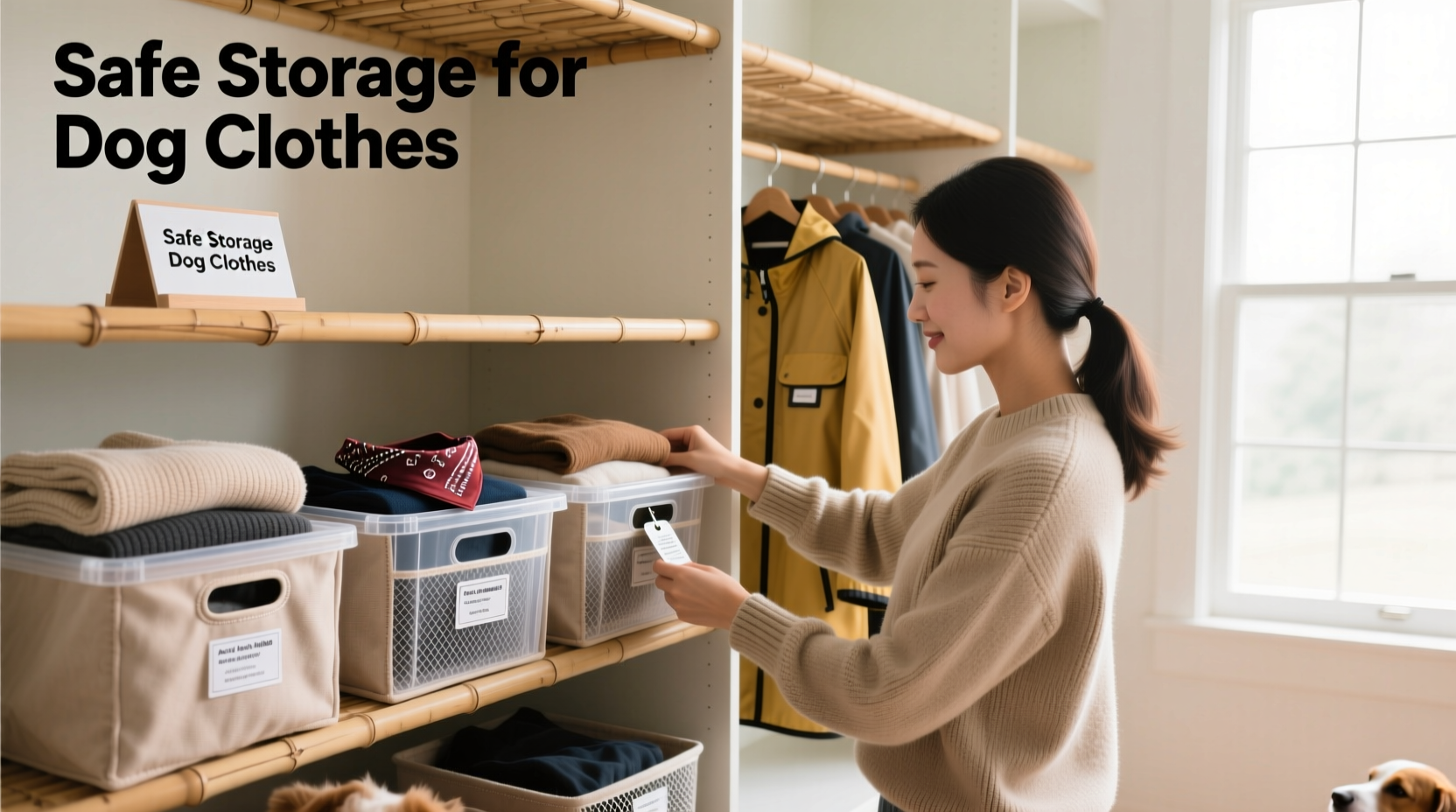
Dog clothes face unique challenges compared to human garments. They’re exposed to dirt, saliva, grass stains, and sometimes fecal matter. Even after washing, improper storage can undo all that effort. Moisture trapped in fabric encourages mildew; sunlight fades colors; and natural fibers attract moths and silverfish. Poor organization also leads to wrinkling, stretched seams, and lost items.
Effective storage isn’t just about cleanliness—it extends garment life, preserves fit, and ensures quick access when needed. Whether you own a few seasonal sweaters or an extensive collection of costumes, adopting smart storage habits protects both your investment and your dog’s comfort.
“Pet clothing often sees heavier soiling than children’s clothes, yet it receives less attention in storage. That imbalance shortens lifespan dramatically.” — Dr. Lena Torres, Textile Preservation Specialist
Step-by-Step: How to Prepare Dog Clothes for Storage
Storing dog clothes begins long before they go into a drawer. Follow this timeline to ensure each piece is ready for safe, long-term preservation.
- Inspect Each Item: Check for loose buttons, frayed seams, or stubborn stains. Repair minor issues now to prevent worsening later.
- Wash Thoroughly: Use a pet-safe detergent without dyes or fragrances. Cold water prevents shrinkage, especially in knits. For odor-prone items (like raincoats), add a cup of white vinegar to the rinse cycle.
- Air-Dry Completely: Avoid dryers unless the label explicitly allows it. Heat damages elastic, melts synthetic trims, and shrinks wool. Hang items flat on a drying rack away from direct sunlight.
- Deodorize Naturally: If faint smells remain, place garments in a sealed container with baking soda for 24 hours before storing.
- Fold or Roll Gently: Avoid sharp creases. For structured items like jackets, fold along natural seams. Knits should be rolled to prevent stretching.
Best Storage Methods by Material Type
Different fabrics require tailored storage solutions. Using a one-size-fits-all approach risks damage. The table below outlines optimal conditions for common dog clothing materials.
| Material | Storage Method | Climate Needs | Avoid |
|---|---|---|---|
| Cotton & Linen | Folded in breathable cotton bags or drawers | Dry, dark space | Plastic bins (traps moisture) |
| Wool & Fleece | Roll loosely in cedar-lined containers | Cool, low-humidity area | Vacuum-sealed bags (crushes fibers) |
| Synthetic (Polyester, Nylon) | Hung or folded in ventilated bins | Room temperature | Direct sunlight (causes brittleness) |
| Leather & Faux Leather | On padded hangers with cloth cover | Stable humidity, no condensation | Folding (leads to cracks) |
Use Breathable Containers
Opt for canvas bins, wooden chests, or lidded cardboard boxes over plastic. These allow airflow while still shielding from dust. Add sachets of dried lavender or cedar blocks to deter insects naturally—avoid mothballs, which emit toxic fumes harmful to pets.
Organizational Strategies for Easy Access
A well-stored wardrobe is only effective if you can find what you need. Seasonal rotation helps prevent overcrowding and makes inspection easier.
- Sort by Function: Group items into categories—rain gear, winter wear, costumes, therapy vests.
- Label Clearly: Use waterproof labels or masking tape with marker to identify contents of bins.
- Rotate Seasonally: Store off-season clothes in higher shelves or under-bed containers. Bring current season items to eye level.
- Keep a “Wear Now” Bin: Designate a small basket near the door for frequently used items like leashes and light jackets.
Mini Case Study: Preventing Moth Damage in a Multi-Dog Home
Sarah, a dog trainer in Vermont, owns seven rescue dogs—all outfitted with seasonal gear. After discovering holes in her dogs’ wool sweaters, she investigated and found evidence of webbing clothes moths. She switched from plastic tubs to untreated pine crates lined with cedar shingles. She began washing all wool items in enzyme-based detergent before storage and added lavender bundles. Over the next year, no further damage occurred. Her proactive approach saved over $300 in replacement costs.
Common Mistakes That Lead to Damage
Even conscientious pet owners make errors that compromise clothing integrity. Awareness is key to prevention.
- Storing damp clothes: Trapped moisture breeds mold and weakens fibers.
- Piling heavy items on delicate ones: Can deform shapes and snap fasteners.
- Using scented dryer sheets: Leaves residue that attracts pests and irritates sensitive skin.
- Ignoring zippers and Velcro: Leaving them open causes snagging; securing them maintains shape.
“Eighty percent of textile damage in pet wardrobes happens during storage—not use.” — Marcus Bell, Pet Product Archivist at the National Animal Lifestyle Institute
Essential Checklist: Safe Dog Clothing Storage Routine
Follow this checklist every time you prepare dog clothes for storage:
- ✅ Inspect for stains, tears, or loose embellishments
- ✅ Wash using pet-safe, fragrance-free detergent
- ✅ Air-dry completely—no residual dampness
- ✅ Repair any minor damage (sew buttons, patch seams)
- ✅ Fold or roll gently based on material type
- ✅ Place in breathable, labeled container
- ✅ Add natural pest deterrent (cedar, lavender)
- ✅ Store in cool, dark, dry location off the floor
FAQ: Frequently Asked Questions
Can I vacuum-seal dog clothes to save space?
No. Vacuum sealing compresses fibers, especially wool and down, reducing insulation and causing permanent creasing. It also traps any residual moisture, increasing mold risk. Use collapsible fabric bins instead for space efficiency.
How often should I check stored dog clothes?
Inspect every 8–12 weeks. Look for signs of pests, musty smells, or water leaks. Rotate items lightly to prevent flat spots and refresh air circulation.
Is it safe to store dog clothes in the garage or attic?
Generally not. These areas experience extreme temperature swings and humidity fluctuations. Garages may harbor pesticides or rodent droppings, while attics get excessively hot. Choose interior closets or bedrooms with stable climates.
Protect Your Pet’s Wardrobe—And Their Comfort
Your dog relies on their clothes for warmth, protection, and mobility support. Treating these garments with the same care as your own ensures they perform when needed and last through multiple seasons. By integrating thoughtful preparation, climate-appropriate storage, and regular maintenance, you create a system that works quietly in the background—preserving quality without daily effort.
💬 Start today: Pull out your dog’s off-season clothes, assess their condition, and reorganize using these principles. Share your storage setup or ask questions in the comments—your experience could help another pet parent avoid costly mistakes.








