When it comes to everyday carry items, a keychain might seem like a small detail—but its durability can make a big difference. Over time, wear and tear reveal which materials stand up to daily use. One growing trend is the turtle-shaped keychain, often made from resin or plastic, marketed for its aesthetic appeal and symbolic meaning. On the other hand, traditional metal keychains have long been the standard for strength and longevity. So, when comparing a turtle keychain versus a metal one, which actually lasts longer? The answer depends on material composition, usage patterns, and environmental exposure.
Material Composition: What Are These Keychains Made Of?
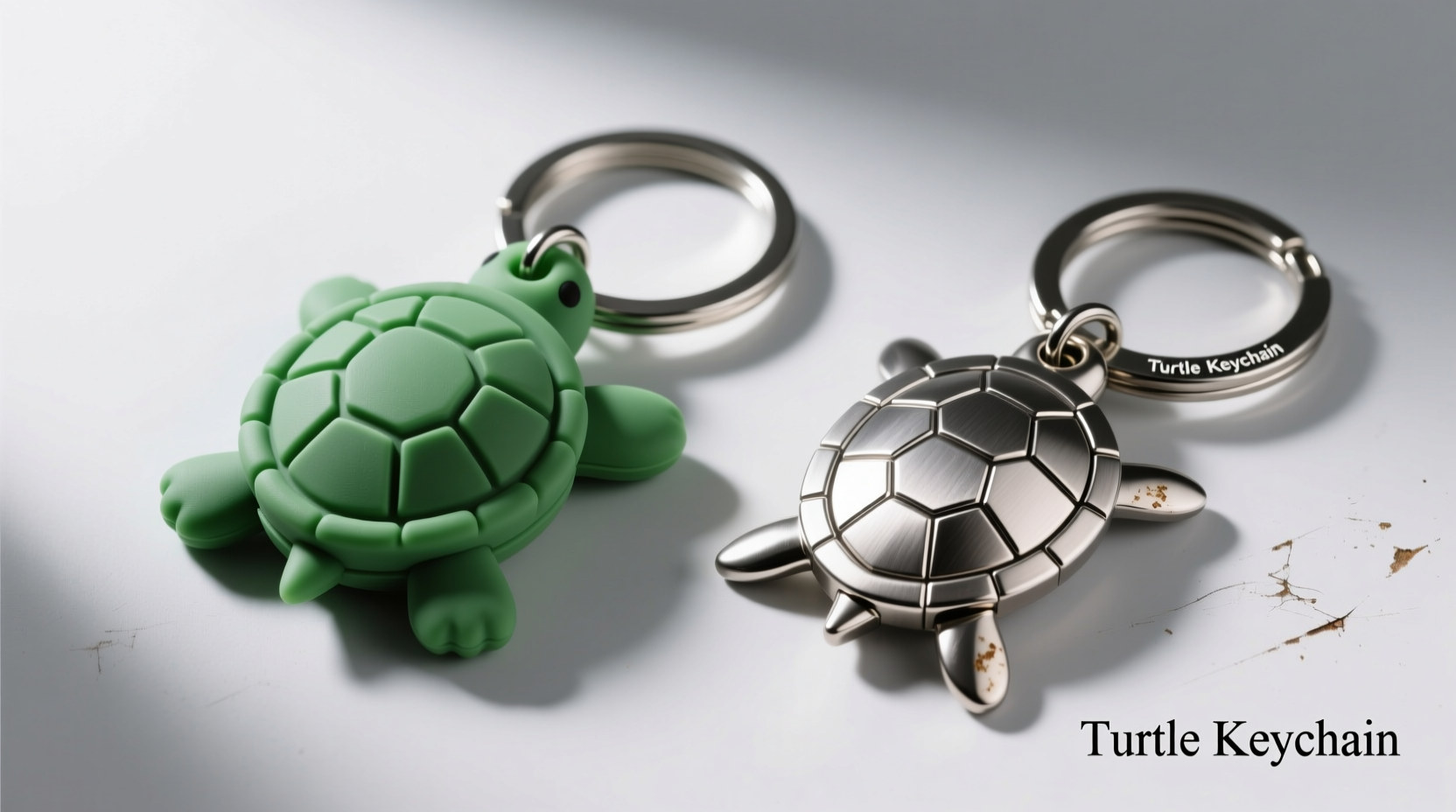
The lifespan of any object starts with what it’s made of. Turtle keychains are typically crafted from synthetic resins, acrylics, or soft plastics—materials chosen more for visual charm than structural resilience. They often feature vibrant colors, translucent shells, and intricate detailing that mimics sea turtles. While visually appealing, these materials are inherently brittle and prone to chipping, cracking, or fading over time.
Metal keychains, by contrast, are commonly forged from stainless steel, aluminum, brass, or zinc alloys. These metals offer high tensile strength, resistance to impact, and protection against corrosion—especially when treated with coatings like anodization or powder finishing. Even budget-friendly metal keychains usually outperform their plastic counterparts in terms of physical endurance.
Tip: If you frequently toss your keys into bags or pockets with hard objects, avoid brittle materials like resin—opt for solid metal instead.Durability Under Daily Use
Real-world conditions matter more than lab specs. A keychain spends its life jostling against keys, scraping against surfaces, and enduring drops and impacts. In this environment, material toughness becomes critical.
Turtle keychains, especially those with delicate limbs or extended features (like flippers), are vulnerable to snapping under stress. Resin models may yellow after prolonged sun exposure, and painted details tend to wear off within months. Moisture doesn’t degrade them quickly, but thermal expansion—like leaving keys in a hot car—can cause microfractures.
Metal keychains handle such abuse far better. Stainless steel models resist scratches and dents even after years of use. Aluminum versions are lightweight yet strong enough to endure constant contact. Some premium metal keychains are even rated for tensile loads exceeding 50 kilograms, making them suitable not just as organizers but as emergency tools or bottle openers.
“Plastic keychains are decorative first, functional second. Metal wins hands-down in longevity because it resists both mechanical and environmental degradation.” — Daniel Ruiz, Industrial Designer & Product Longevity Analyst
Comparison Table: Turtle Keychain vs Metal Keychain
| Feature | Turtle Keychain (Resin/Plastic) | Metal Keychain |
|---|---|---|
| Material Strength | Low – Brittle, prone to cracking | High – Resistant to bending and breaking |
| Impact Resistance | Poor – Easily chips or shatters | Excellent – Withstands drops and knocks |
| Weather Resistance | Fair – UV light causes fading; water safe | Excellent – Corrosion-resistant with proper coating |
| Lifespan (Average) | 6–18 months with regular use | 3–10+ years depending on alloy |
| Aesthetic Longevity | Short – Paint wears, color fades | Long – Engraving and finishes last |
| Weight | Light – Easy to carry | Heavier – Adds bulk but feels substantial |
| Cost Range | $5–$20 (often novelty-priced) | $8–$50+ (investment-grade options available) |
Real-World Example: Two Years of Daily Carry
Consider the case of Sarah, a commuter who uses her keychain every day. She started with a colorful resin turtle keychain—a gift from a beach vacation—attached to her work keys. Within four months, one flipper broke off after catching on her backpack zipper. By month nine, the shell had developed hairline cracks, and the paint began peeling near the ring attachment. After 14 months, the entire body split in half when dropped on tile flooring.
She replaced it with a minimalist stainless steel disc keychain engraved with her initials. Now in its third year, it shows only minor surface scuffs. Despite being dropped, soaked in rain, and carried alongside heavy tools, the metal piece remains intact and fully functional. This example illustrates how design intent—ornamental vs utilitarian—directly affects longevity.
Care Tips to Extend Keychain Life
No item lasts forever, but maintenance can significantly delay failure. Here’s how to protect both types:
- For turtle keychains: Avoid direct sunlight and extreme temperatures. Store separately when not in use to prevent abrasion.
- For metal keychains: Wipe clean monthly with a dry cloth. For stubborn grime, use mild soapy water and dry immediately to prevent moisture buildup.
- Inspect the keyring regularly—this is often the weakest point, regardless of pendant material.
- Use a protective sleeve or pouch if carrying keys loosely in a bag.
Step-by-Step Guide: Choosing a Long-Lasting Keychain
- Evaluate your lifestyle: Do you lead an active routine? Frequently drop or misplace items? Choose metal for ruggedness.
- Check material specifications: Look for “stainless steel,” “anodized aluminum,” or “brass” rather than vague terms like “alloy” or “durable plastic.”
- Examine construction quality: Ensure the pendant is securely attached to the ring. Welded joints beat glued ones.
- Test weight and balance: A well-balanced keychain reduces strain on pockets and bags.
- Read user reviews: Focus on feedback mentioning long-term use—six months or more—to gauge real durability.
FAQ
Can I repair a broken turtle keychain?
Minor breaks in resin can sometimes be fixed with super glue or epoxy, but the repair will likely be visible and structurally weak. Once cracked, these keychains rarely regain full integrity.
Are all metal keychains rust-proof?
No. While stainless steel and titanium are highly corrosion-resistant, cheaper zinc or iron-based alloys may rust if exposed to moisture over time. Always check for protective plating or sealing.
Do heavier metal keychains damage pocket fabric?
Possibly. Heavy keychains can wear out pocket linings faster, especially in thin fabrics. Consider using a clip-on loop or separate key pouch to minimize friction.
Final Verdict: Which Lasts Longer?
The evidence is clear: metal keychains last significantly longer than turtle-shaped resin or plastic alternatives. While turtle keychains offer charm and personality, they are best suited for occasional or decorative use. Their structural limitations make them poor candidates for daily drivers.
Metal keychains, particularly those made from stainless steel or aerospace-grade aluminum, deliver superior resilience, maintaining both function and appearance over many years. They may lack whimsy, but modern designs now blend aesthetics with utility—engraved motifs, sleek shapes, and even eco-conscious manufacturing.
If longevity is your priority, metal is the definitive choice. That said, there’s room for both: keep the turtle keychain as a seasonal accessory or sentimental keepsake, and rely on a sturdy metal version for everyday reliability.
🚀 Ready to upgrade your everyday carry? Swap out fragile keychains for a durable metal model today—and experience the difference strength and smart design can make.








