For pet owners, the holiday season brings joy—and challenges. One of the most persistent issues is keeping pet hair away from wrapped gifts under the tree. Whether you have a shedding dog, a long-haired cat, or multiple furry companions, their presence can quickly turn a pristine gift display into a fuzzy mess. While both tree collars and traditional tree skirts serve decorative purposes, they differ significantly in how effectively they manage pet hair and protect presents. Understanding these differences helps pet owners make smarter choices that balance aesthetics, cleanliness, and practicality.
Understanding the Basics: What Are Tree Collars and Skirts?
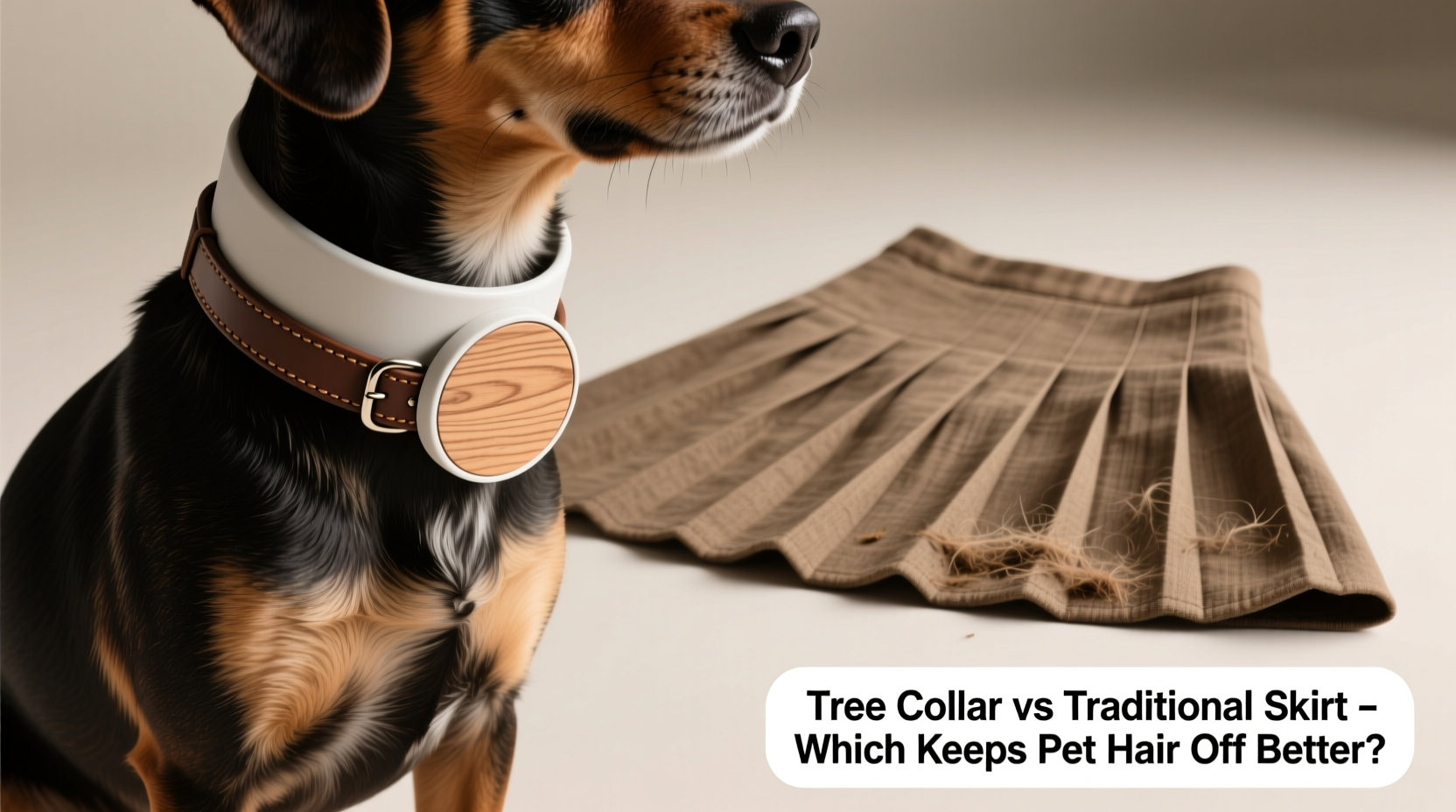
A traditional Christmas tree skirt is a fabric circle placed around the base of the tree to conceal the stand and add festive flair. Typically made from velvet, satin, felt, or flannel, skirts drape over the floor and often feature embellishments like embroidery, tassels, or appliqués. They’ve been a staple of holiday decor for generations, valued for their classic look and ability to catch falling pine needles.
In contrast, a tree collar is a rigid or semi-rigid ring—usually made of metal, wood, wicker, or ceramic—that wraps around the tree trunk at its base. Unlike skirts, collars don’t touch the floor. Instead, they create a contained boundary that elevates the presentation of the tree while offering a modern, minimalist aesthetic. Because they sit snugly against the trunk, collars leave the surrounding floor exposed but eliminate the fabric “landing zone” where pets often rub, roll, or nap.
This structural difference becomes critical when considering pet behavior and hygiene. The choice between the two isn’t just about style—it’s about function, especially in homes with animals prone to shedding or curiosity-driven mischief.
How Pet Hair Accumulates Under the Tree
Pet hair doesn’t simply fall onto presents—it’s transferred through contact. Dogs and cats often lie near the tree, drawn by warmth from lights, the novelty of new scents, or the soft texture of skirts. When they rub against the tree or settle beneath it, loose fur transfers directly to the fabric below. From there, static electricity, air movement, and physical disturbance redistribute hair onto nearby packages.
Flooring type also plays a role. On hardwood or tile, hair is more visible and easier to sweep away. But on carpet, it embeds into fibers and gets kicked up when pets walk or play nearby. Traditional skirts, lying flush with the ground, act like magnets for airborne and surface-level fur. Once embedded in the fabric, hair is difficult to remove without laundering—something not all skirt materials tolerate well.
Tree collars, by avoiding direct floor contact, reduce this accumulation surface. With no fabric to trap hair, cleaning becomes simpler: a quick wipe or vacuum around the base suffices. This design inherently limits opportunities for pets to deposit or redistribute fur directly onto gifts.
Tip: Choose a tree collar with a wide base to further discourage pets from approaching too closely—some models double as subtle barriers.Comparative Analysis: Effectiveness in Pet Hair Management
| Feature | Traditional Tree Skirt | Tree Collar |
|---|---|---|
| Fabric Contact with Floor | Full coverage; lies flat | None; elevated design |
| Surface for Hair Accumulation | High (large fabric area) | Low (only nearby floor) |
| Cleaning Difficulty | Moderate to high (laundering required) | Low (wipe or vacuum) |
| Pet Access to Base | Unrestricted | Limited by structure |
| Hair Transfer to Presents | High (via fabric contact) | Low (no intermediary fabric) |
| Durability with Pets | Lower (prone to snagging, chewing) | Higher (sturdier materials) |
The data shows a clear advantage for tree collars when minimizing pet hair on presents. Without a fabric layer acting as a bridge between pet and package, the pathway for contamination is disrupted. Additionally, collars made from non-porous materials like powder-coated steel or sealed wood resist clinging fur, making maintenance faster and more effective.
“Pet owners consistently report less fur buildup and fewer grooming-related frustrations when switching from skirts to collars. It's not just about appearance—it's about reducing daily cleanup during an already busy season.” — Dr. Lena Pruitt, DVM & Pet Lifestyle Consultant
Real-World Scenario: A Multi-Pet Household Experiment
Jessica M., a dog trainer in Portland, Oregon, conducted an informal six-week trial during the 2023 holiday season. Her home includes two golden retrievers and a long-haired domestic shorthair cat—all heavy shedders. She set up identical artificial trees in separate living areas, using the same brand, lighting, and gift placement. One tree used a plush red velvet skirt; the other, a woven rattan tree collar.
Daily observations revealed that within three days, the skirt collected visible clumps of dog hair along its edges. By day seven, several presents resting near the front had noticeable fur on wrapping paper. In contrast, the collar’s surrounding area showed minimal accumulation, limited to what tracked in from general household movement. Gifts near the collar remained clean unless physically touched by a pet.
Weekly vacuuming removed hair efficiently around the collar, while the skirt required shaking outdoors and occasional spot-cleaning. Jessica noted her dogs were less inclined to lie near the collar, possibly due to its unfamiliar shape and lack of softness. After the trial, she permanently replaced all skirts with collars, citing “less stress, fewer allergens, and a neater overall look.”
Additional Benefits Beyond Hair Control
While hair management is a primary concern, tree collars offer secondary advantages for pet owners:
- Reduced chewing risk: Skirts made of fabric tempt curious pets to nibble, potentially ingesting harmful threads or decorations. Collars made of wood or metal are less appealing targets.
- Easier access for tree stand maintenance: Water levels in real trees need monitoring. Collars allow unobstructed access without lifting or moving fabric.
- Allergen control: Less fabric means fewer surfaces for dust, dander, and saliva to accumulate—important for allergy-sensitive households.
- Modern aesthetics match pet-friendly interiors: Many pet-conscious homes favor hard-surface flooring and washable furniture. Collars complement this style more naturally than ornate skirts.
That said, traditional skirts aren’t obsolete. Families who prioritize nostalgia, heirloom textiles, or maximalist decor may still prefer them. However, modifications can improve their functionality in pet-heavy environments.
Tip: If using a skirt, opt for dark colors or microfiber fabrics that resist showing hair. Machine-washable materials also simplify upkeep.Step-by-Step: Transitioning from Skirt to Collar for Pet Owners
- Assess your current setup: Note how often pets interact with the tree base and whether gifts become soiled within days.
- Measure your tree stand: Ensure the collar’s inner diameter accommodates the trunk without squeezing.
- Choose material wisely: For durability and easy cleaning, select metal, sealed wood, or synthetic wicker.
- Position gifts strategically: Place presents slightly beyond the collar’s perimeter to avoid direct contact and allow airflow.
- Introduce gradually: Let pets sniff and examine the new collar before decorating to reduce anxiety-driven behaviors.
- Monitor behavior: Watch for attempts to dig or scratch. If needed, use pet-safe deterrent sprays on the collar’s outer edge.
- Maintain regularly: Wipe down the collar weekly and vacuum the surrounding area to prevent dust and hair buildup.
Checklist: Choosing the Right Option for Your Home
- ✅ Do you have heavy-shedding pets? → Lean toward a collar.
- ✅ Is ease of cleaning a priority? → Collar wins for low-effort maintenance.
- ✅ Do you value heirloom decor? → Skirt may align better with tradition.
- ✅ Are pets prone to chewing or digging? → Collar reduces temptation.
- ✅ Do you own hardwood or tile floors? → Both work, but collars integrate more cleanly.
- ✅ Are guests with allergies expected? → Collar minimizes dander traps.
- ✅ Can you store the collar safely post-holiday? → Ensure space for rigid storage.
Frequently Asked Questions
Can I use a tree collar with a real tree?
Yes. Tree collars work with both real and artificial trees. For real trees, ensure the collar allows access to the water reservoir and doesn’t restrict trunk hydration. Some models feature removable segments for easy refilling.
Do tree collars hide the tree stand as well as skirts?
Most do, though the effect differs. Skirts fully cover the stand with fabric, while collars encase the base with a structured ring. Visually, collars offer a sleeker, contemporary finish rather than a draped look.
Are tree collars safe for cats who like to climb?
Generally, yes. Since collars don’t attach to the tree, they won’t destabilize it if brushed against. However, ensure the tree is securely anchored to the wall—a precaution independent of base covering.
Final Verdict: Why Tree Collars Win for Pet Hair Control
When the goal is keeping pet hair off presents, tree collars outperform traditional skirts in nearly every measurable way. Their elevated, non-fabric design eliminates the largest surface for hair accumulation. They simplify cleaning, reduce pet interaction, and support healthier indoor air quality by limiting allergen retention. While skirts retain sentimental value and visual warmth, they come with higher maintenance costs—especially in homes with shedding animals.
The shift toward collars reflects a broader trend in holiday decor: functional minimalism. As more households prioritize wellness, cleanliness, and pet safety, design choices must evolve accordingly. A tree collar isn’t just a style statement—it’s a practical upgrade for modern living.
💬 Have you switched from a tree skirt to a collar? Share your experience with pet hair and holiday prep! Your insights could help others make a cleaner, calmer Christmas.








