The holiday season is a time for tradition, creativity, and thoughtful presentation. One of the most visible elements of a decorated Christmas tree is what lies at its base. For decades, fabric tree skirts have been the go-to choice, offering warmth, whimsy, and a soft finish to the display. But in recent years, tree collars—structured, often cylindrical bases made from wicker, metal, or fabric-covered forms—have surged in popularity, especially among modern and minimalist decorators.
So, which truly elevates your tree more? Is it the nostalgic charm of a traditional skirt or the sleek sophistication of a contemporary collar? The answer depends on your decor style, lifestyle needs, and long-term vision for your holiday setup. This article breaks down both options with practical comparisons, expert insight, and real-world considerations to help you make an informed decision that enhances not just your tree, but your entire festive atmosphere.
Understanding the Basics: What Are Tree Skirts and Tree Collars?
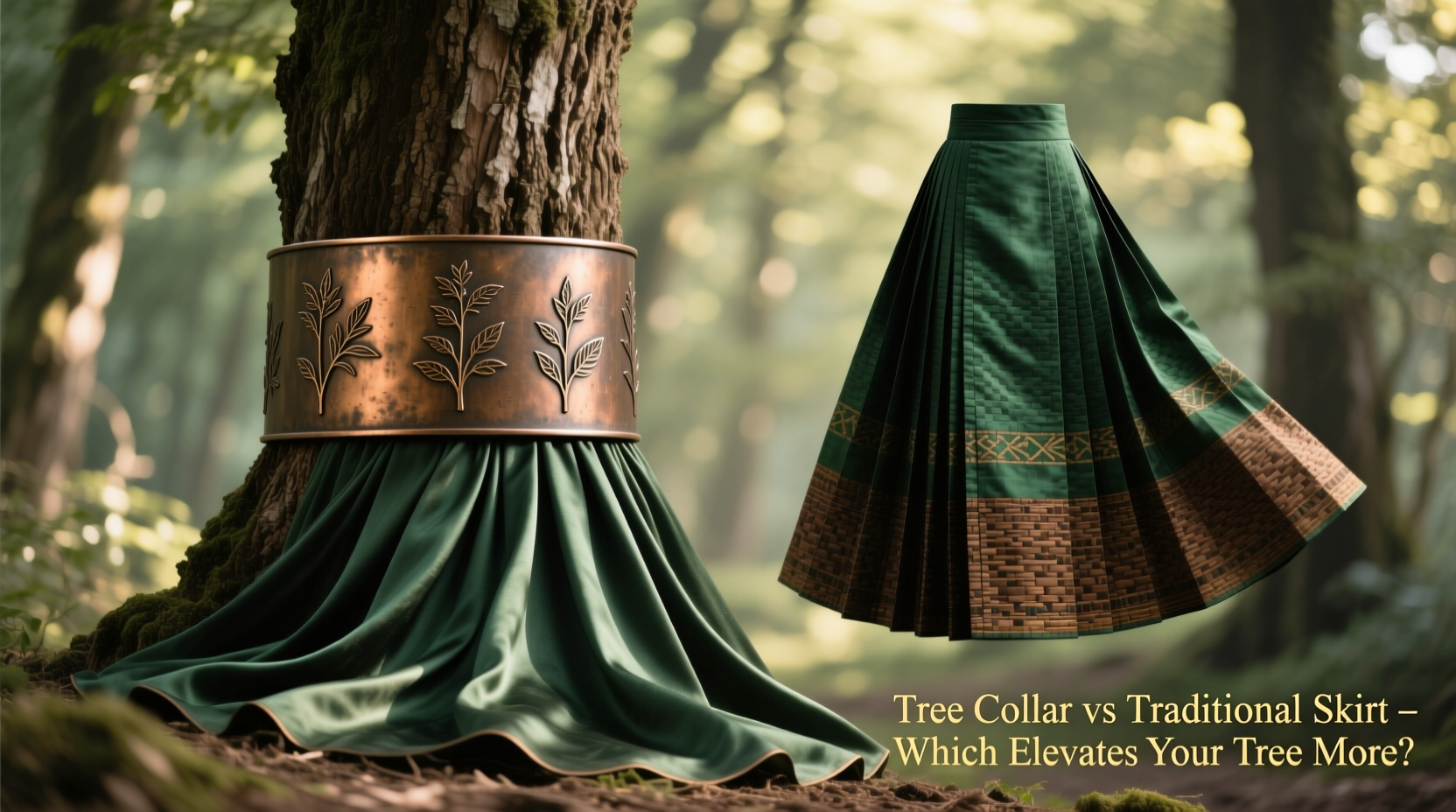
A **traditional tree skirt** is typically a flat, circular piece of fabric placed around the base of the tree. It serves both aesthetic and functional purposes—covering the stand while adding thematic flair through patterns, textures, or embellishments like lace, embroidery, or faux fur. Skirts come in countless designs, from rustic burlap to glittering satin, and are often heirloom pieces passed down through generations.
In contrast, a **tree collar** is a three-dimensional ring that encircles the trunk just above the floor. It doesn’t drape outward but stands upright, creating a clean, contained boundary. Made from materials like rattan, linen-wrapped wire, wood, or even ceramic, collars offer a tailored look that emphasizes structure and intentionality. They’re particularly popular in Scandinavian, farmhouse, and urban-chic interiors.
While both serve to conceal the tree stand, their impact on visual balance, maintenance, and overall elegance differs significantly.
Design & Aesthetic Impact: Which Looks More Elevated?
When evaluating which option “elevates” your tree more, aesthetics play a central role. Elevation here refers not only to physical height but also to perceived refinement, cohesion, and design maturity.
Tree collars tend to project a more curated, intentional aesthetic. Their vertical form draws the eye upward, reinforcing the tree’s height and symmetry. Because they don’t spread across the floor, they avoid the potential clutter that can occur when a skirt bunches up or competes with surrounding furniture. In a well-styled room, a neutral-toned linen or natural wicker collar complements other organic textures—like wooden side tables or wool rugs—without overwhelming them.
Traditional skirts, on the other hand, add volume and softness. A plush velvet or embroidered skirt can evoke nostalgia and richness, especially in classic or formal settings. However, if not arranged carefully, skirts can appear messy or outdated. Overly ornate designs may clash with modern decor, and lightweight fabrics can wrinkle or shift during foot traffic.
“Minimalism isn’t about absence—it’s about precision. A tree collar acts as a frame, focusing attention on the tree itself rather than distracting floor-level details.” — Lena Torres, Interior Stylist & Holiday Design ConsultantTip: Match your base to your tree’s theme. A flocked snow-dusted tree pairs beautifully with a white linen collar, while a vintage-inspired tree shines with a red tartan skirt.
Functionality and Practicality Comparison
Beyond looks, functionality matters—especially in homes with pets, children, or limited space. Let’s compare key practical aspects:
| Feature | Tree Collar | Traditional Skirt |
|---|---|---|
| Space Efficiency | Compact footprint; ideal for small rooms | Takes up floor space; can block pathways |
| Pet-Friendly? | Yes—no loose fabric to chew or drag | Risky—pets often pull or hide under skirts |
| Durability | High—rigid materials resist wear | Variable—fabric can tear or stain |
| Storage | Easy—stackable and shape-retentive | Bulky—prone to creasing and tangling |
| Cleaning | Wipeable surfaces; low maintenance | Often requires spot-cleaning or dry cleaning |
| Gift Display | Challenging—limited surface area | Excellent—spacious platform for presents |
For households prioritizing ease and durability, tree collars clearly win. Their resilience makes them suitable for annual reuse without degradation. Meanwhile, traditional skirts excel in gift presentation—their wide surface allows for artful stacking of wrapped boxes, contributing to the classic \"Christmas morning\" photo op.
Step-by-Step: How to Choose Based on Your Home Environment
Selecting between a collar and a skirt shouldn’t be arbitrary. Follow this decision-making timeline to ensure your choice aligns with your actual living conditions and decorating goals.
- Assess your space (Week 1): Measure the area around your tree. If clearance is under 3 feet on any side, a collar is likely the better fit.
- Evaluate household dynamics (Week 2): Do you have cats that climb trees or toddlers who tug at decorations? Opt for a collar to reduce hazards.
- Review your decor style (Week 3): Take photos of your living room. Does it lean toward modern, minimalist, or eclectic? Collars enhance streamlined spaces. Traditional, maximalist, or cottage-style rooms benefit from skirts.
- Consider gifting habits (Week 4): If you place many gifts under the tree, test layout options. Can a collar accommodate smaller, neatly stacked presents? Or do you need the full coverage of a skirt?
- Test one option (Final Week): Borrow or rent both types for a weekend. Set up your tree temporarily and live with each version. Note how each feels visually and functionally.
This methodical approach prevents impulse buys and ensures your final selection supports both beauty and daily life.
Real Example: Two Homes, Two Choices
Case Study 1 – The Urban Apartment
Sarah lives in a 700-square-foot loft with hardwood floors, a silver aluminum tree, and two rescue cats. She previously used a red velvet skirt but found it constantly pulled out of place by her cats, who loved hiding beneath it. After switching to a black metal mesh tree collar, she noticed immediate improvements: no more displaced fabric, easier vacuuming, and a sharper visual line from floor to treetop. Her guests commented that the tree looked “like it belonged in a design magazine.”
Case Study 2 – The Family Suburban Home
James and Maria host extended family every Christmas in their spacious living room. They have a 7-foot Fraser fir and enjoy piling dozens of brightly wrapped gifts under the tree. A skirt allows them to create a joyful, abundant scene. They use a reversible quilted skirt—one side red plaid, the other snowy white—depending on the year’s theme. While less “minimalist,” the skirt contributes to the emotional warmth of their celebration.
These examples illustrate that neither option is universally superior. Context determines success.
Expert Tips for Maximizing Visual Elevation
Regardless of your choice, small adjustments can dramatically increase the perceived elegance of your tree’s base.
- Use battery-powered fairy lights tucked into the inner rim of a collar for a glowing halo effect.
- If using a skirt, secure it with discreet double-sided tape to prevent shifting.
- Layer a small collar over a skirt for hybrid appeal—structure meets softness.
- Choose neutral tones (cream, gray, black, natural fiber) for maximum versatility across years and themes.
- Avoid overcrowding the base with too many ornaments or oversized gifts that obscure the base entirely.
FAQ: Common Questions Answered
Can I use a tree collar with any type of tree?
Yes, but stability matters. Artificial trees with wide, flat bases work best. For real trees with tripod stands, ensure the collar diameter accommodates the legs without tipping. Some collars come with adjustable interiors or removable sections for compatibility.
Are tree collars more expensive than skirts?
Generally, yes. Quality collars range from $40 to $150 due to material and construction costs. Skirts can be found for as low as $15, though designer versions reach similar price points. However, collars often last longer, making them more cost-effective over time.
How do I store a tree collar versus a skirt?
Collars are simpler to store—they maintain shape and can be stacked or hung. Skirts should be folded neatly or rolled around a cardboard tube to prevent deep creases. Always store both in breathable cotton bags, not plastic, to avoid moisture buildup.
Checklist: Choosing Your Elevated Base
Before purchasing, go through this checklist to ensure confidence in your decision:
- ✅ Measured available floor space around the tree
- ✅ Considered presence of pets or young children
- ✅ Aligned base style with overall home decor
- ✅ Determined primary use (gift display vs. clean lines)
- ✅ Checked storage capacity and long-term durability
- ✅ Tested visual harmony with tree color and ornament scheme
- ✅ Reviewed budget with long-term use in mind
Conclusion: Elevation Is Personal—But Intentionality Wins
Ultimately, whether a tree collar or traditional skirt elevates your tree more depends on your definition of elevation. If you value clean lines, durability, and modern cohesion, a collar will likely feel like the upgrade. If you cherish tradition, texture, and the cozy abundance of holiday gifts spilling across a fabric base, a skirt remains unmatched.
What matters most is intentionality. A thoughtfully chosen base—whether structured or soft—completes the narrative of your tree. It signals care, attention to detail, and a commitment to creating a space that feels both beautiful and livable.
💬 Which do you prefer—tree collar or traditional skirt? Share your setup, photos, or tips with our community. Your experience could inspire someone else’s most elevated tree yet.








