Petting a dog seems simple—extend your hand, stroke their fur, and enjoy the moment. But behind that seemingly effortless gesture lies a nuanced interaction that can either build trust or trigger discomfort. Dogs, like people, have personal boundaries, preferences, and communication styles. The best way to pet a dog comfortably isn’t just about where or how you touch them—it’s about reading their signals, respecting their space, and creating a safe experience for both of you. Whether you’re meeting a new dog or bonding with your own, these ten essentials will help you interact in a way that’s calm, confident, and considerate.
1. Approach Calmly and Respectfully
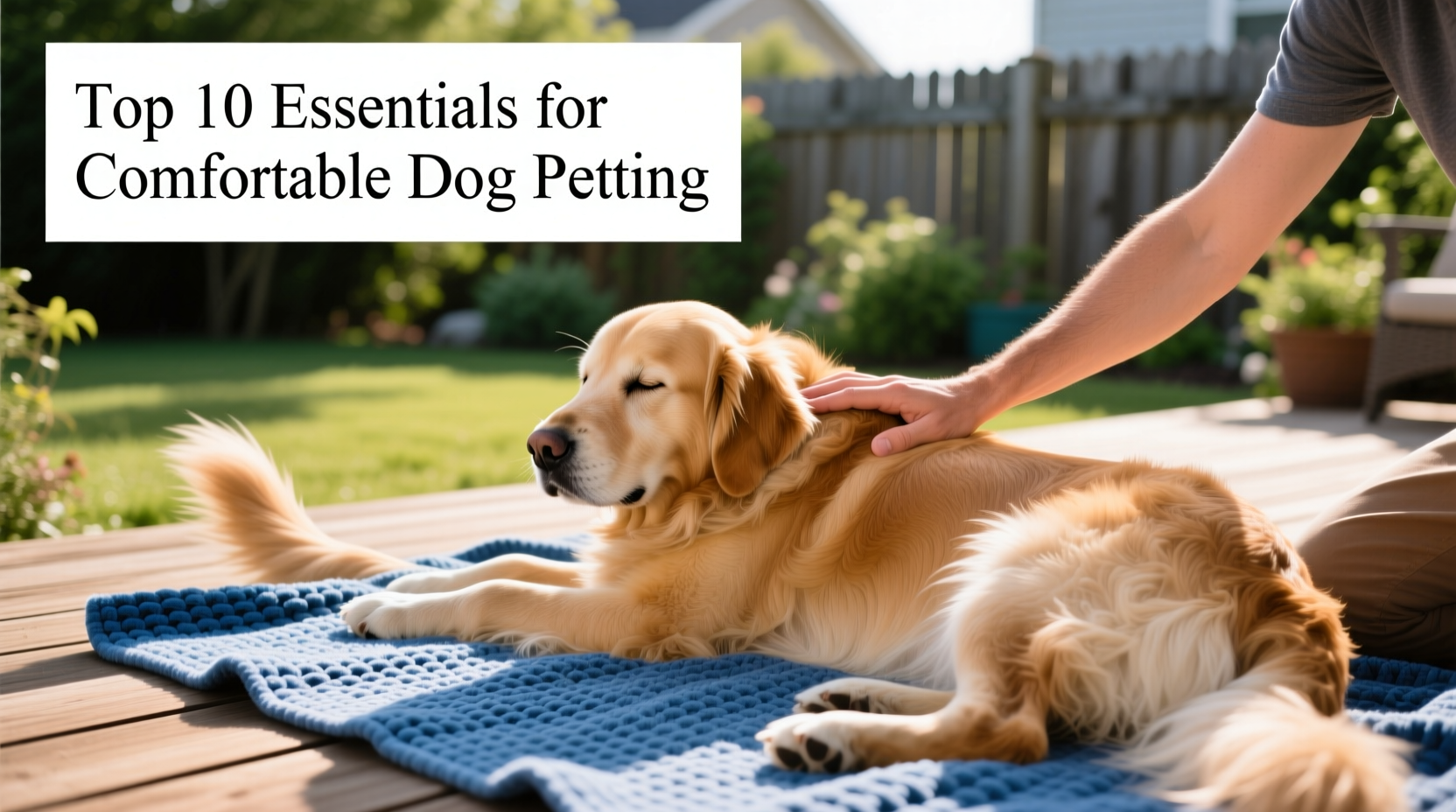
A dog’s first impression of you is shaped by your energy. Sudden movements, loud voices, or direct eye contact can be perceived as threatening. Instead, lower your posture, avoid staring, and move slowly. Let the dog decide whether they want to engage. If they approach, sniff, and relax, it’s a good sign they’re open to interaction.
Tip: Crouch slightly to appear less intimidating, but don’t reach over the dog—stay at their level.2. Ask Permission (From the Owner and the Dog)
Always check with the owner before petting someone else’s dog. Even friendly dogs may have triggers or past trauma. Once permission is granted, let the dog initiate contact. Extend your hand gently, palm down, near their shoulder—not toward their face. If they lean in, sniff, and nuzzle, they’re giving consent. If they turn away, lick their lips, or stiffen, respect their choice.
“Dogs communicate consent through body language. A wagging tail doesn’t always mean ‘pet me’—it can signal excitement, anxiety, or alertness.” — Dr. Karen Becker, DVM and Animal Behavior Specialist
3. Know Where Dogs Prefer to Be Touched
Most dogs enjoy being petted on the chest, shoulders, base of the tail, and under the chin. These areas are less sensitive and allow the dog to maintain control over the interaction. Avoid reaching over the head, touching the ears, paws, or tail unless the dog clearly invites it. Some dogs dislike facial touches, especially from strangers.
| Preferred Petting Zones | Proceed With Caution | Avoid (Unless Invited) |
|---|---|---|
| Chest and shoulders | Back (mid-spine) | Top of head (from above) |
| Under the chin | Base of tail | Ears and paws |
| Sides of neck | Flanks | Face and muzzle |
4. Use Gentle, Rhythmic Strokes
Dogs respond well to soft, consistent motions rather than vigorous rubbing or patting. Think of petting more like soothing massage than enthusiastic tapping. Use flat palms and follow the direction of the fur. Short, slow strokes mimic grooming behavior and can be calming. Watch the dog’s reaction—if they lean into your hand, sigh, or close their eyes, you’re doing it right.
Tip: Try “scritching” the base of the tail or side of the neck—many dogs find this spot irresistible.5. Read Body Language Closely
Understanding canine body language is essential for safe and comfortable interaction. A relaxed dog will have soft eyes, a loose body, and may offer a play bow or gentle paw lift. Signs of discomfort include yawning, lip licking, whale eye (showing the whites), turning the head away, or stiffening. If any of these appear, stop petting and give the dog space.
Conversely, signs of enjoyment include leaning into your touch, tail wagging loosely, and a slightly open mouth with a relaxed expression. These subtle cues guide you in adjusting your approach in real time.
6. Avoid Overstimulation
Even friendly dogs can become overwhelmed if petted too long or too intensely. Limit initial interactions to 10–20 seconds, especially with unfamiliar dogs. Let the dog walk away when they’ve had enough. Pushing past their comfort zone can erode trust and lead to defensive behaviors.
Children often need guidance here—they may hug or chase a dog out of excitement, not realizing it causes stress. Teaching kids to “pet gently and let go” fosters safer, more positive experiences for everyone.
7. Build Trust Over Time
Comfort isn’t built in a single petting session. For shy, rescued, or anxious dogs, trust develops gradually. Start with offering treats at a distance, then progress to brief touches while pairing each interaction with something positive. Never force contact. Over weeks or months, many dogs learn to associate human touch with safety and affection.
“I worked with a rescue terrier who flinched at every hand movement. We started with tossing treats when he looked at me, then progressed to touching his shoulder during mealtime. In six weeks, he was seeking belly rubs.” — Sarah Lin, Certified Canine Behavior Consultant
8. Consider the Dog’s Breed and History
Some breeds are naturally more reserved or sensitive. Herding dogs like Border Collies may be cautious around strangers, while working breeds like German Shepherds value personal space. Dogs with unknown histories—especially those from shelters or puppy mills—may have learned to distrust hands due to past abuse.
Taking time to understand a dog’s background helps tailor your approach. A former guard dog might appreciate structured, predictable interactions over spontaneous affection.
9. Use Your Voice to Reinforce Comfort
Pair physical touch with a calm, soothing voice. Soft praise like “good boy” or “you’re so sweet” in a low tone can deepen relaxation. Avoid high-pitched baby talk, which some dogs find overstimulating. Speak only when the dog is calm—talking during signs of stress can unintentionally reinforce anxiety.
Tip: Combine gentle petting with quiet verbal reassurance to create a multi-sensory sense of safety.10. Know When Not to Pet
There are clear times when petting should be avoided. Never interrupt a dog while eating, sleeping, or caring for puppies. Don’t pet a dog who is barking, growling, or showing fear. Avoid touching injured areas or medical sites. And never use physical contact to assert dominance—this damages the human-animal bond.
Respect is the foundation of comfort. A dog who feels respected is far more likely to seek out affection on their own terms.
Checklist: How to Pet a Dog Comfortably – Step-by-Step Guide
- Ask the owner for permission.
- Approach calmly, avoiding direct eye contact.
- Let the dog sniff your hand first.
- Start with a gentle stroke on the chest or shoulder.
- Use slow, rhythmic motions—avoid patting.
- Watch for signs of relaxation or discomfort.
- Respect the dog’s pace—don’t prolong the interaction.
- Avoid sensitive areas unless invited.
- Pair touch with soft, reassuring words.
- Stop immediately if the dog shows stress.
Real Example: Turning Fear into Friendship
Milo, a three-year-old mixed breed adopted from a rural shelter, was terrified of men. His foster family noticed he’d freeze or retreat when male visitors approached. One volunteer, James, decided to take a different approach. Instead of trying to pet him, James sat nearby and tossed treats whenever Milo looked his way. After several visits, James began offering a closed fist to sniff. Weeks later, he gently stroked Milo’s shoulder during feeding time. By month three, Milo would nudge James’s hand for pets. The key wasn’t persistence—it was patience, consistency, and honoring Milo’s boundaries at every step.
Frequently Asked Questions
Is it okay to pet a dog on the head?
Not always. Reaching over a dog’s head can feel threatening, especially to nervous or unfamiliar dogs. It’s safer to start on the chest or side of the neck and let the dog guide you toward their head if they’re comfortable.
Why does my dog pull away after a few seconds of petting?
This is normal. Many dogs enjoy brief affection but become overstimulated quickly. It’s not rejection—it’s communication. Let them walk away, and they’ll often return when ready.
Can I pet a service dog?
No. Service dogs are working animals. Petting them distracts from their duties and could compromise their handler’s safety. Always ask first—and if the answer is no, respect it without question.
Conclusion: Touch with Intention, Not Assumption
The best way to pet a dog comfortably isn’t about technique alone—it’s about empathy. Every dog has a unique personality, history, and threshold for interaction. By approaching with awareness, restraint, and genuine respect, you create moments of connection that go beyond physical touch. These small, mindful gestures build trust, reduce anxiety, and strengthen the bond between humans and dogs. Whether you’re a lifelong dog lover or meeting a new four-legged friend, remember: the most comforting pet is one given with permission, patience, and presence.
💬 Have a story about earning a dog’s trust? Share your experience in the comments and inspire others to pet with care.








