Choosing the right cat litter isn’t just about convenience—it affects your cat’s comfort, your home’s cleanliness, and even your environmental footprint. In recent years, tofu cat litter has gained popularity as a natural, flushable alternative to traditional options. But how does it really stack up against paper cat litter, a long-standing favorite among eco-conscious pet owners? While both are marketed as sustainable and low-dust, their performance in odor control, clumping ability, and cost can differ significantly.
This comparison dives deep into the practical realities of tofu and paper litters, separating marketing claims from actual results. Whether you’re considering a switch or simply curious about newer options, understanding the strengths and limitations of each will help you make an informed decision that works for your household—and your cat.
Understanding Tofu Cat Litter: How It Works
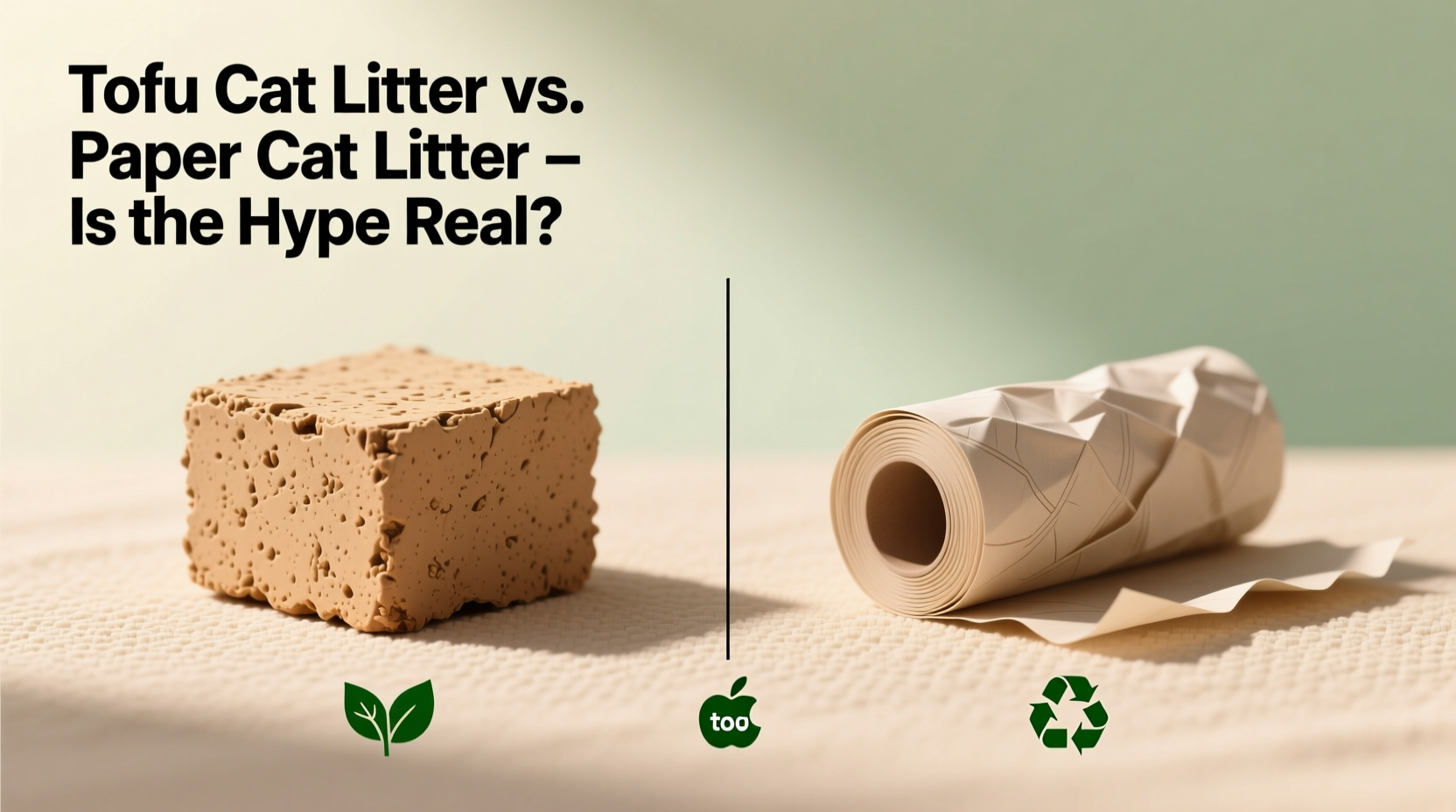
Tofu cat litter is made primarily from soybean pulp, a byproduct of tofu production. This gives it a strong sustainability claim—repurposing food industry waste into a functional product. Most brands add natural binders and sometimes fragrances (though many are unscented), resulting in a lightweight, biodegradable litter that clumps when wet.
The clumping action is one of its biggest selling points. When your cat urinates, the moisture causes the particles to form solid clumps that are easy to scoop. High-quality tofu litters can rival clay-based products in this regard. Because it’s plant-based and free of silica or sodium bentonite, it’s also marketed as safe for septic systems and often labeled as flushable—though experts advise caution here, especially in older plumbing.
Another benefit is low dust. Tofu litter typically produces minimal airborne particles, making it a good option for homes with respiratory sensitivities. However, not all tofu litters perform equally. Some budget versions break down too quickly or fail to control ammonia odors effectively, leading to more frequent box changes.
Tip: Always test flushability in small amounts first. Even “flushable” litters can cause clogs over time, especially in low-flow toilets.Paper Cat Litter: The Original Eco Option
Paper cat litter has been around for decades, made from recycled newspaper or cellulose fibers. It’s highly absorbent, virtually dust-free, and completely biodegradable. Unlike tofu litter, most paper litters don’t clump. Instead, they soak up liquid and must be fully replaced once saturated—a process known as non-clumping or “absorbent” litter management.
This makes maintenance different. With paper litter, you can’t scoop out urine clumps; instead, you need to remove soiled portions daily and replace the entire tray every few days, depending on usage. For multi-cat households, this can become labor-intensive and costly over time.
On the plus side, paper litter is extremely gentle on paws and ideal for kittens or cats recovering from surgery. It’s also one of the safest options if ingested accidentally. However, odor control is a common drawback. While some brands include baking soda or activated charcoal, paper alone doesn’t neutralize ammonia smells as effectively as clumping formulas.
“Paper litter remains a top recommendation for post-operative care due to its soft texture and safety profile.” — Dr. Lena Patel, Feline Veterinarian
Head-to-Head Comparison: Tofu vs Paper
| Feature | Tofu Cat Litter | Paper Cat Litter |
|---|---|---|
| Clumping Ability | Yes – forms firm clumps | No – absorbs but doesn’t clump |
| Odor Control | Good to excellent (natural enzymes help) | Fair to moderate (requires additives) |
| Dust Level | Very low | Nearly zero |
| Eco-Friendliness | High (biodegradable, renewable source) | Very high (recycled materials) |
| Flushable? | Mostly yes (check brand) | No – can clog pipes |
| Maintenance Frequency | Scoop daily, change weekly | Spot clean daily, full change every 2–4 days |
| Cost per Use | Moderate to high | Low to moderate |
| Cat Acceptance | Generally high (texture similar to sand) | Mixed (some cats dislike soft texture) |
Real-World Example: A Multi-Cat Household Test
Consider Sarah, a pet owner with two adult cats and a kitten. She initially used paper litter for its eco-credentials and safety. While she appreciated the lack of dust, she found herself changing the entire litter box every other day due to odor buildup. The cats tracked damp paper bits across the floor, and cleaning became overwhelming.
She switched to a premium tofu litter after reading reviews. Within days, scooping became easier, and the box stayed fresher longer. She was able to maintain the same litter for seven days with daily scooping. Though the upfront cost was higher, she saved time and reduced waste. Her only concern was occasional clumping at the bottom after flushing multiple times, prompting her to start using a compost bin instead.
Sarah’s experience reflects a broader trend: tofu litter often wins in convenience and odor control, while paper remains a solid—but higher-maintenance—choice for sensitive cases.
Which One Should You Choose? A Practical Checklist
Selecting between tofu and paper litter depends on your priorities. Use this checklist to guide your decision:
- ✅ Do you want to scoop solids and reuse the rest? → Tofu is better suited.
- ✅ Is odor control a top concern? → Tofu generally performs better.
- ✅ Do you have a septic system or old plumbing? → Test tofu cautiously before regular flushing.
- ✅ Are you caring for a kitten or recovering cat? → Paper is safer and softer.
- ✅ Is budget a major factor? → Paper is usually cheaper upfront.
- ✅ Do you prioritize recycled materials? → Paper has the edge in material sourcing.
- ✅ Do you hate frequent full litter changes? → Tofu reduces total replacements.
Frequently Asked Questions
Can I mix tofu and paper litter together?
It’s not recommended. Tofu relies on moisture-activated binding agents, while paper absorbs differently. Mixing them may reduce clumping efficiency and lead to inconsistent performance. Stick to one type per litter box.
Is tofu litter safe for kittens?
Generally yes, but monitor closely. While non-toxic, the fine granules can stick to paws and be ingested during grooming. For very young kittens, many vets still recommend paper or pellet litters until they’re older.
Does paper litter attract bugs?
In rare cases, damp paper litter left too long can develop mold or attract insects, especially in humid environments. To prevent this, avoid letting soiled litter sit for more than 48 hours and ensure good ventilation in the litter area.
Final Verdict: Hype or Worth It?
The hype around tofu cat litter isn’t unfounded—but it’s not a universal upgrade. For most households, especially those with one or more cats and a preference for low-maintenance solutions, tofu litter delivers on its promises: effective clumping, strong odor control, and eco-friendly disposal. It simplifies daily cleanup and lasts longer than paper in active homes.
However, paper litter still holds value. It’s an excellent choice for medical recovery, kittens, or owners who prefer maximum material sustainability and don’t mind more frequent changes. It’s also a reliable backup option during supply shortages or for cats resistant to new textures.
Rather than declaring a single winner, the truth is this: both litters serve distinct needs. The best choice depends on your lifestyle, your cat’s habits, and what trade-offs you’re willing to make between cost, convenience, and environmental impact.
🚀 Ready to make the switch—or optimize your current setup? Try a small bag of tofu litter alongside your paper supply and observe the difference over a week. Your cat’s comfort—and your cleaning routine—might thank you.








