
Walking your dog should be a joyful experience—for both of you. Yet, many pet owners unknowingly compromise their dog’s comfort and safety with poorly chosen leashes and harnesses. A collar alone can place dangerous pressure on a dog’s trachea, especially in strong or excitable breeds. The right leash and harness combo not only prevents injury but also strengthens communication, reduces pulling, and makes every walk more enjoyable.
Selecting the ideal gear isn’t just about aesthetics or price. It requires understanding your dog’s size, breed, temperament, and physical needs. From front-clip harnesses for pullers to hands-free leashes for runners, the options are vast—but so are the risks of choosing incorrectly. This guide breaks down everything you need to know to make an informed, safe, and comfortable choice for your canine companion.
Why Leash and Harness Choice Matters
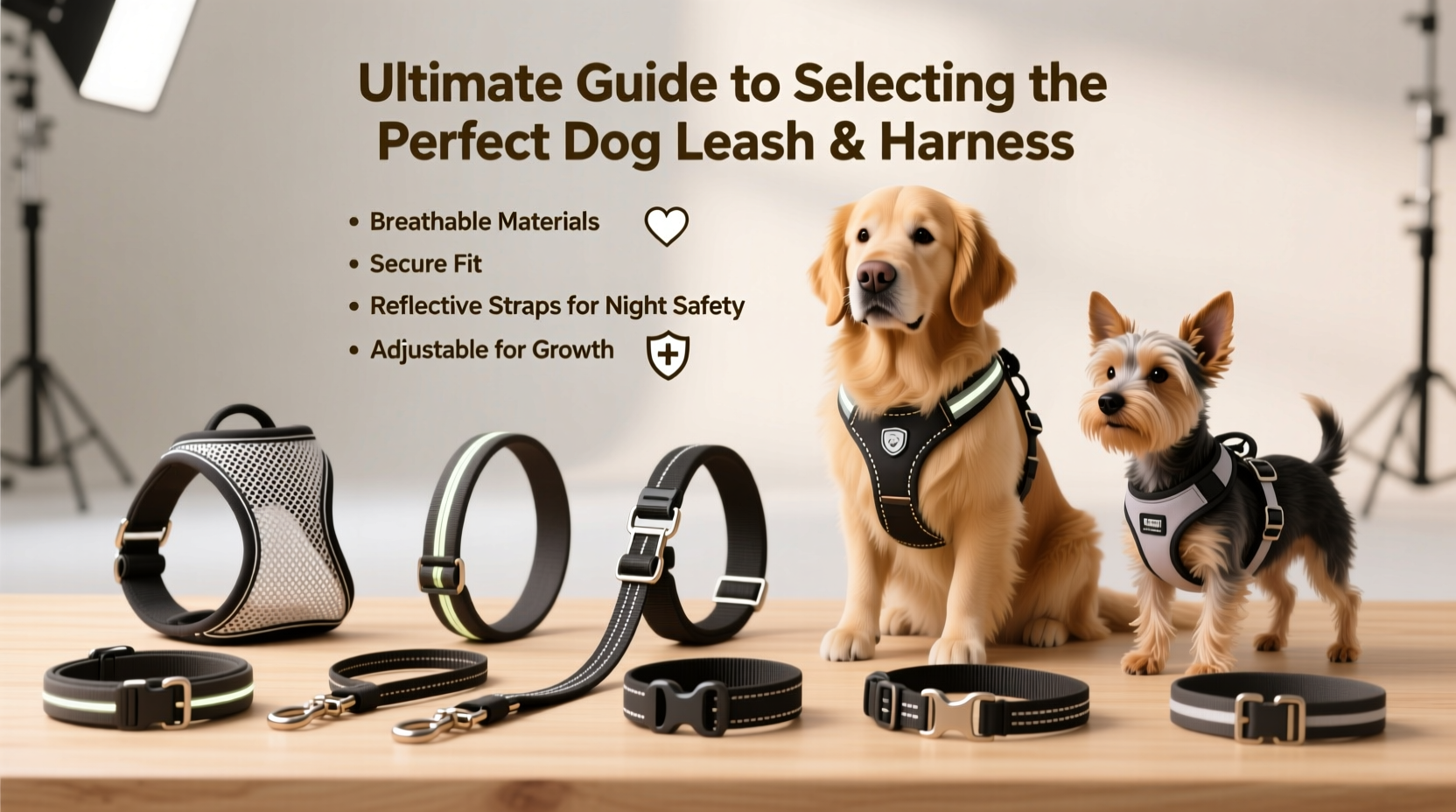
Dogs don’t naturally walk politely beside humans. Without proper training and equipment, they may lunge, pull, or become anxious during walks. Traditional collars transfer all pulling force directly to the neck, which can lead to respiratory issues, spinal misalignment, and even eye damage in extreme cases. The American Veterinary Medical Association (AVMA) recommends using harnesses instead of collars for walking, particularly for small breeds and dogs prone to tracheal collapse.
A well-fitted harness distributes pressure across the chest and shoulders, reducing strain on sensitive areas. When paired with the right leash, it gives you better control while allowing your dog to move naturally. The wrong setup, however, can cause chafing, restrict movement, or even slip off—putting your dog at risk.
“Harnesses that fit properly and are used correctly can prevent long-term musculoskeletal issues in dogs, especially those who pull.” — Dr. Laura Bennett, DVM, Canine Rehabilitation Specialist
Types of Dog Harnesses: Pros, Cons, and Best Uses
Not all harnesses are created equal. Each design serves a different purpose, and matching the type to your dog’s behavior is crucial.
| Type | Best For | Pros | Cons |
|---|---|---|---|
| Back-Clip Harness | Calm walkers, trained dogs | Comfortable, easy to put on, widely available | Encourages pulling; less control |
| Front-Clip Harness | Pullers, reactive dogs | Discourages pulling via gentle redirection | May take time to adjust; improper fit causes rubbing |
| No-Pull Harness | Dogs that lunge or pull consistently | Combines front and back clips for maximum control | More complex fitting; higher cost |
| Vest Harness | Large breeds, service dogs, hiking | Even pressure distribution; durable; good for extended wear | Bulky for small dogs; longer to put on |
| Step-In Harness | Small or nervous dogs | Easy to use; less intimidating than overhead designs | Limited adjustability; may not suit strong dogs |
Choosing the Right Leash: Length, Material, and Function
The leash is your connection to your dog. Its length, material, and design impact control, safety, and flexibility.
- Standard 6-foot leash: Ideal for city walks and training. Offers balance between freedom and control.
- Retractable leashes: Provide variable length but pose entanglement risks and encourage inconsistent behavior. Not recommended for training or crowded areas.
- Hands-free waist leashes: Great for runners or those carrying items. Keep your arms free while maintaining tension.
- Long-line leashes (10–30 ft): Used for off-leash training in secure areas. Allow exploration while keeping your dog within range.
Materials matter too. Nylon is durable and affordable but can retain heat. Biothane is water-resistant, lightweight, and easy to clean—ideal for wet climates. Leather offers strength and elegance but requires maintenance and is less suitable for rainy environments.
Step-by-Step Guide to Fitting a Harness Correctly
- Measure your dog’s chest girth behind the front legs using a soft tape measure.
- Select a harness with adjustable straps and refer to the manufacturer’s sizing chart.
- Place the harness on a flat surface and loosen all straps.
- For overhead harnesses, gently guide your dog’s head through the neck loop, then lift the body loop over the shoulders.
- Fasten the chest and belly straps securely, ensuring two fingers fit underneath.
- Check that the leash attachment sits centered on the back (or front, if designed that way) and doesn’t shift.
- Take a short test walk to observe for rubbing, slipping, or restricted movement.
Real-World Example: Transforming a Puller into a Polite Walker
Milo, a two-year-old Labrador Retriever, would drag his owner down sidewalks, often leaving her with sore shoulders and frustration. After consulting a trainer, she switched from a back-clip harness and retractable leash to a front-clip no-pull harness and a standard 6-foot nylon leash. Within three weeks of consistent training and proper gear, Milo learned to walk beside her without tension. The front clip redirected his momentum when he lunged, teaching him that pulling didn’t get him where he wanted to go. The change wasn’t instant—but the right equipment made the training possible.
Checklist: Before You Buy a Leash and Harness
- ✅ Measure your dog’s chest and neck accurately
- ✅ Identify your dog’s walking behavior (puller, calm, reactive)
- ✅ Choose a harness style that matches their needs
- ✅ Select a leash length and material suited to your environment
- ✅ Check for padded straps and reflective stitching for nighttime visibility
- ✅ Ensure all buckles and clips are sturdy and rust-resistant
- ✅ Try the gear on before finalizing—many retailers allow returns if unused
Frequently Asked Questions
Can I use a harness and collar together?
Yes—and it’s actually recommended. Use the harness for walking and attach the leash to it, while keeping the collar on for ID tags. Never attach a leash to a harness and a collar simultaneously unless using a dual-clip system designed for it.
How do I stop my dog from slipping out of the harness?
Slipping usually results from poor fit or incorrect harness type. Opt for a harness with multiple adjustment points and a secure chest strap. Houdini-prone dogs often do best with Y-shaped harnesses that go over the head and behind the front legs.
Are no-pull harnesses cruel?
When properly fitted and used, no-pull harnesses are not cruel—they’re protective. They redirect force rather than punish. However, forcing a dog into one without acclimation can cause stress. Introduce it gradually with treats and short sessions.
Final Tips for Long-Term Comfort and Safety
Inspect your dog’s leash and harness monthly for signs of wear: frayed stitching, cracked clips, or stretched fabric. Clean fabric harnesses according to instructions—most can be hand-washed and air-dried. Rotate gear if you use them daily to extend lifespan.
Remember, the best leash and harness evolve with your dog. Puppies grow quickly, senior dogs may develop arthritis, and behavioral changes can alter what works best. Stay attentive and be willing to adapt.
Tip: Introduce new gear slowly. Let your dog sniff and wear the harness indoors with treats before attempting a walk.Conclusion: Walk With Confidence
Your dog relies on you to keep them safe, comfortable, and happy during every outing. By investing time in selecting the right leash and harness—based on science, fit, and function—you’re not just buying gear. You’re building trust, preventing injury, and enhancing your bond. Whether you're navigating busy streets, hiking trails, or quiet neighborhoods, the right equipment makes all the difference. Take the next step today: measure your dog, assess their needs, and choose gear that supports a lifetime of joyful walks.
💬 Have a favorite leash or harness that transformed your walks? Share your experience in the comments and help fellow dog lovers make safer, smarter choices!








