
Choosing the right collar for your cat isn’t just about style—it’s a crucial decision that affects their daily comfort, mobility, and even their safety. A poorly fitted or inappropriate collar can lead to skin irritation, restricted movement, or worse, accidental entanglement. With so many options on the market, from breakaway styles to personalized tags, knowing how to select the correct size and type is essential for every responsible cat owner.
A well-fitted collar should stay securely in place without being too tight, allow room for growth in kittens, and include safety features that protect your cat if it snags on furniture or branches. This guide walks you through the precise steps to measure your cat, understand sizing standards, evaluate materials, and make an informed choice that balances function, safety, and comfort.
How to Accurately Measure Your Cat’s Neck
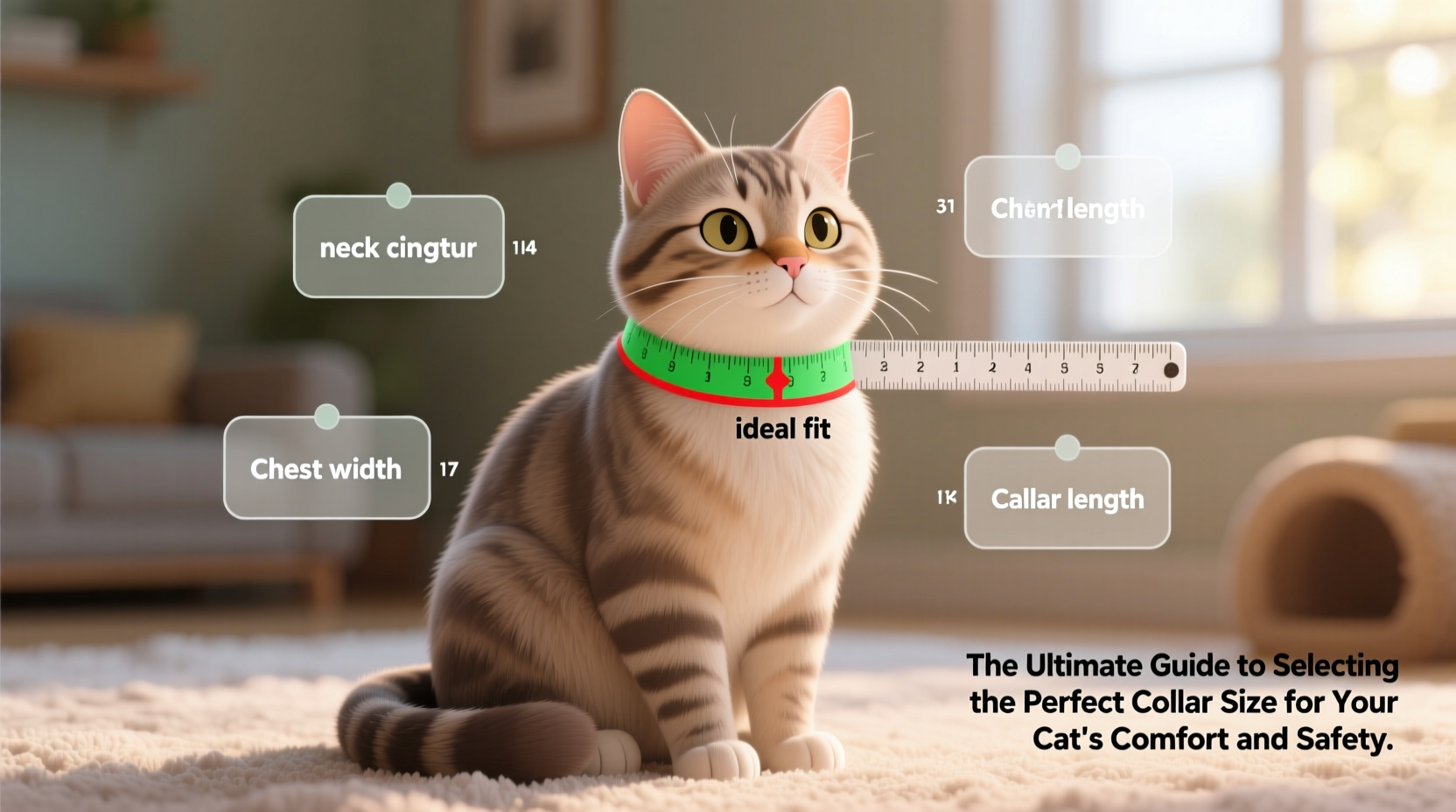
The foundation of a properly fitting collar begins with an accurate neck measurement. Unlike dogs, cats have more delicate necks and require a snug yet flexible fit. Use a soft fabric tape measure—never metal—for precision and comfort during the process.
- Wrap the tape measure around the base of your cat’s neck, just behind the ears and below the jawline.
- Ensure the tape is flat against the fur but not pressing into the skin.
- Leave enough space to comfortably fit two fingers between the tape and your cat’s neck—this is the ideal gap for airflow and flexibility.
- Record the measurement in inches or centimeters. If your cat is still growing (especially kittens), add ½ inch (1.3 cm) to accommodate growth.
Once you have the measurement, refer to manufacturer size charts. Many brands categorize collars as small (8–10 inches), medium (10–12 inches), or large (12–14 inches). Always double-check these ranges before purchasing.
Material Matters: Choosing the Right Collar Type
Not all collar materials are created equal. The fabric or polymer used impacts durability, comfort, and safety. Below is a comparison of the most common types available today.
| Material | Pros | Cons |
|---|---|---|
| Nylon | Durable, affordable, water-resistant, wide variety of colors | Can chafe sensitive skin; may retain odor over time |
| Polyester | Soft texture, lightweight, resists fading | Less breathable than natural fibers |
| Leather | Strong, stylish, molds to neck over time | Not suitable for wet environments; heavier than fabric |
| Cotton | Hypoallergenic, breathable, gentle on skin | Wears out faster; absorbs moisture easily |
For indoor cats, cotton or soft polyester may be ideal due to breathability. Outdoor or adventurous cats benefit from sturdier nylon or leather with reflective stitching for visibility at night.
Safety First: Breakaway Features and Proper Fit
One of the most critical aspects of any cat collar is the clasp mechanism. Traditional buckles can become dangerous if snagged on branches, fences, or furniture. That’s why veterinarians and animal behaviorists strongly recommend breakaway collars.
Breakaway clasps are designed to release under sudden pressure—such as when a cat gets caught—preventing strangulation. These collars don’t come off during normal activity but detach safely when excessive force is applied.
“Every cat wearing a collar should have a breakaway safety clasp. It could mean the difference between a close call and a tragedy.” — Dr. Laura Simmons, DVM, Feline Wellness Specialist
To test the fit after putting on the collar:
- Check that you can still fit two fingers beneath the collar.
- Observe your cat for signs of discomfort—excessive scratching, head shaking, or trying to remove the collar.
- Inspect the neck area weekly for redness or hair loss, which may indicate chafing.
Step-by-Step Guide to Fitting a New Collar
Follow this simple five-step process whenever introducing a new collar:
- Select the right size based on your cat’s neck measurement and intended use (indoor vs. outdoor).
- Choose a breakaway design with a secure yet responsive clasp.
- Attach identification tags securely, but keep them lightweight to avoid pulling.
- Put the collar on gently, fastening it at the middle hole initially so adjustments can be made.
- Monitor for 15–30 minutes to ensure no distress, then recheck after several hours for fit and skin reaction.
If your cat resists wearing the collar, give them time to adjust. Start with short durations and offer treats or praise to create positive associations. Never force a collar onto a stressed cat.
Real-Life Scenario: Bella the Escapist Kitten
Bella, a 6-month-old tabby, loved exploring her backyard. Her owner, Mark, bought a decorative collar with a bell but skipped the breakaway feature, thinking it looked sturdier. One afternoon, Bella climbed a tree and got her collar caught on a low branch while descending. She dangled by her neck for nearly ten minutes before Mark noticed.
Luckily, the collar eventually snapped under pressure—but not before leaving minor bruising. After consulting his vet, Mark switched to a certified breakaway collar with a proper fit. He also added a microchip and ID tag. Since then, Bella roams safely, and Mark checks her collar weekly for wear and tear.
This case underscores the importance of prioritizing safety over aesthetics and verifying that every component serves a protective purpose.
Frequently Asked Questions
Should kittens wear collars?
Yes, but only lightweight, adjustable breakaway collars designed for kittens. Their necks grow rapidly, so check the fit every few weeks and resize as needed. Early introduction helps them get used to wearing one.
Can I leave a collar on my cat all the time?
If it’s a properly fitted breakaway collar, yes. However, inspect it regularly for damage and remove it during grooming or medical treatments. Some owners rotate collars to prevent constant friction on one spot.
Is a harness better than a collar?
For walking or supervised outdoor excursions, a harness is safer and distributes pressure evenly. Collars are best for ID tags and everyday wear, while harnesses provide control during travel or training.
Final Checklist Before Buying
- ✅ Measured neck accurately with two-finger clearance
- ✅ Chose a breakaway clasp for safety
- ✅ Selected appropriate material for lifestyle (indoor/outdoor)
- ✅ Added ID tag with current contact information
- ✅ Avoided bulky charms or long dangling parts
- ✅ Tested fit and monitored initial reaction
Conclusion
Selecting the perfect collar size goes beyond numbers on a tape measure—it’s about understanding your cat’s unique needs, habits, and safety requirements. A well-chosen collar enhances identification, supports peace of mind, and contributes to your pet’s overall well-being without compromising comfort.
Take the time to measure carefully, invest in quality materials with proven safety features, and remain vigilant about maintenance. Your cat depends on you to make thoughtful choices that protect them every day—even in something as simple as a collar.
💬 Have experience with cat collars or tips to share? Join the conversation—your insight could help another pet owner make a safer choice today.








