Rex rabbit fur is prized for its velvety texture, dense pile, and luxurious appearance—qualities that make it a favorite material for small accessories like keychains. However, this delicate fur requires specialized care to maintain its softness and prevent matting, shedding, or discoloration. Unlike synthetic materials, natural rabbit fur reacts sensitively to moisture, heat, and harsh chemicals. Improper cleaning can permanently damage the nap, flatten the fibers, or cause irreversible odor retention.
Whether your Rex rabbit fur keychain is a sentimental keepsake, a gift, or a fashion statement, proper maintenance ensures it remains soft, fresh, and visually appealing for years. This comprehensive guide covers every aspect of care—from daily upkeep to deep cleaning and storage—with science-backed methods and real-world tested techniques.
Understanding Rex Rabbit Fur: Why It’s Different
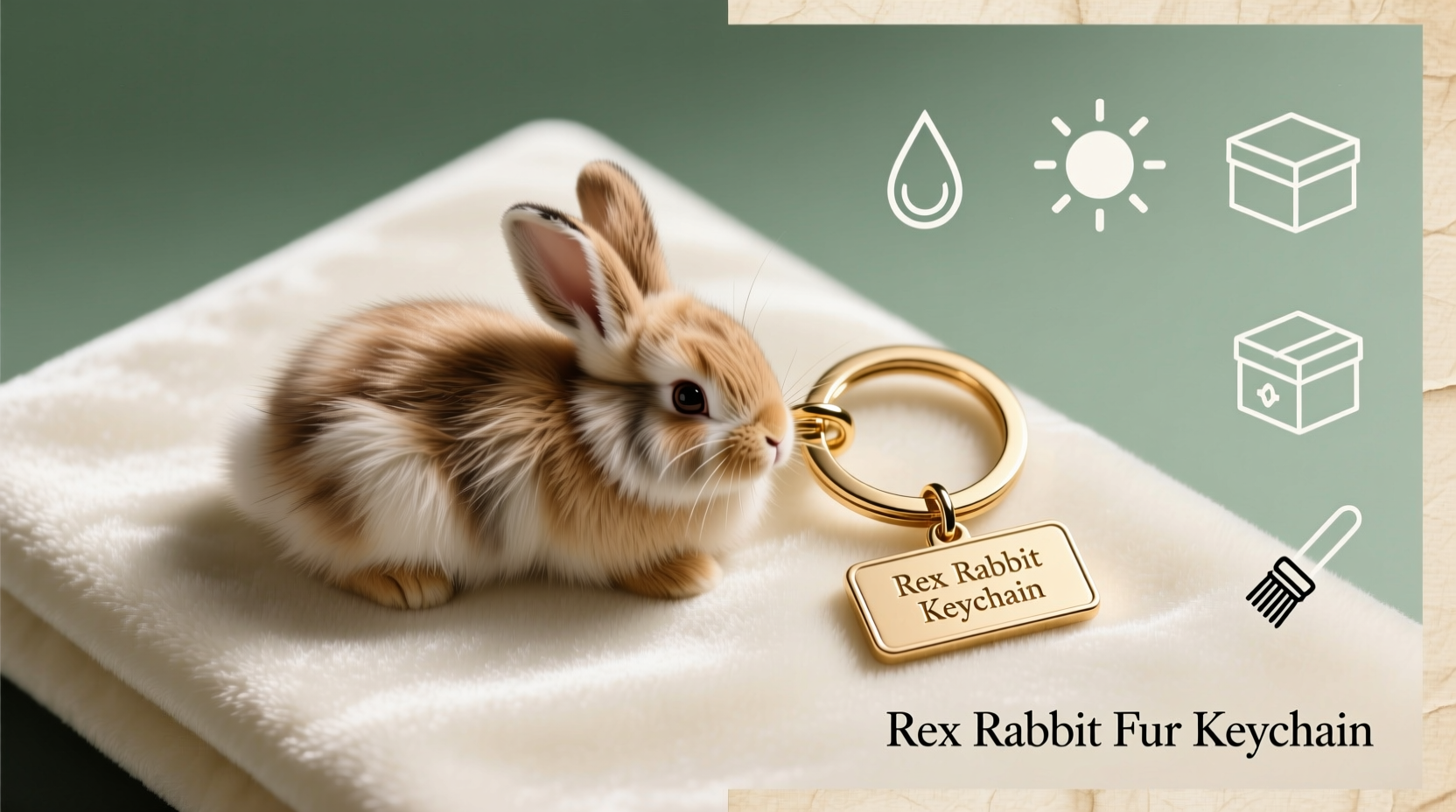
Rex rabbit fur is unique due to its plush, upright guard hairs and dense undercoat, which give it a short, velvety feel. The fur has a \"plush\" finish because the guard hairs are nearly the same length as the underfur, creating a uniform surface. This structure makes it more resilient than many other furs but also more prone to flattening when exposed to pressure or moisture.
Unlike sheepskin or mink, rabbit fur lacks natural oils, meaning it cannot self-repair after water exposure. Once wet, the fibers can clump, stiffen, or develop an unpleasant odor if not dried properly. Additionally, the leather backing (if present) may crack or warp when damp.
“Rabbit fur is one of the most sensitive natural materials to handle. Gentle touch and climate awareness are non-negotiables.” — Dr. Lena Peterson, Textile Conservation Specialist, Royal Museum of Natural Fibers
Step-by-Step Guide to Safe Cleaning
Cleaning a Rex rabbit fur keychain should be infrequent and deliberate. Over-cleaning strips the fibers and accelerates wear. Follow this method only when visible soiling, dust buildup, or mild odor occurs.
- Inspect the Keychain: Check for loose stitching, frayed edges, or signs of insect damage. Address structural issues before cleaning.
- Dry Brushing: Use a soft-bristle clothes brush or a pet grooming brush designed for delicate fur. Gently brush in the direction of the nap (typically from top to bottom) to lift dust and restore fluffiness.
- Air Out: Hang the keychain in a shaded, well-ventilated area for 2–4 hours. Avoid direct sunlight or heat sources, which can fade color and dry out fibers.
- Spot Clean Stains: Dampen a microfiber cloth with distilled water only. Lightly dab the affected area—never rub. For organic stains (e.g., food residue), mix one drop of pH-neutral soap (like baby shampoo) into two tablespoons of water. Test on an inconspicuous spot first.
- Dry Thoroughly: Lay flat on a clean towel away from humidity. Allow 12–24 hours to air dry completely. Do not use hairdryers or radiators.
- Re-Brush: Once fully dry, gently brush again to revive the nap and restore volume.
Do’s and Don’ts: Maintenance Best Practices
| Action | Recommendation | Reason |
|---|---|---|
| Store in a breathable cotton bag | ✅ Do | Prevents moisture buildup while allowing airflow |
| Use cedar chips nearby | ✅ Do | Natural moth repellent; avoid direct contact |
| Expose to perfume or hairspray | ❌ Don’t | Chemicals degrade fur proteins and attract pests |
| Place near windows or heaters | ❌ Don’t | UV rays fade color; heat dries fibers |
| Compress under heavy objects | ❌ Don’t | Flattens nap permanently |
| Handle with clean hands | ✅ Do | Oils from skin transfer and soil fur over time |
Real Example: A Recovered Heirloom Keychain
Sophie, a collector from Vermont, inherited a Rex rabbit fur keychain from her grandmother. Stored in a sealed plastic box for over a decade, the fur had yellowed slightly and developed a musty smell. She avoided washing it, fearing damage. Instead, she followed conservation principles: she aired it outdoors (in shade) for three consecutive mornings, brushed it daily with a soft toothbrush, and placed it in a linen pouch with a sachet of dried lavender and cedar.
After two weeks, the odor dissipated, and the nap regained much of its original bounce. No chemicals were used. This case illustrates how patience and gentle environmental control can revive aged fur without aggressive cleaning.
Long-Term Preservation Checklist
- ✔️ Brush monthly to prevent matting
- ✔️ Store in a cool, dark place with stable humidity (ideally 45–55%)
- ✔️ Rotate display or usage to minimize wear on one side
- ✔️ Inspect quarterly for pests or mold
- ✔️ Keep away from strong-smelling substances (perfumes, tobacco, cooking oils)
- ✔️ Use silica gel packets nearby (not touching) to regulate moisture
Frequently Asked Questions
Can I use steam to refresh my rabbit fur keychain?
No. Steam introduces excessive moisture and heat, both of which can shrink the hide backing and distort the fur fibers. Stick to dry brushing and airing instead.
How often should I clean it?
Only when necessary—typically once every 6 to 12 months for routine care. Daily dusting isn’t needed, but occasional brushing maintains appearance. Overhandling accelerates wear.
Is it safe to store in a jewelry box?
Only if the box is lined with breathable fabric (like cotton) and not airtight. Avoid velvet-lined boxes treated with mothproofing chemicals, which can react with the fur. A muslin pouch inside a drawer is safer.
Final Thoughts: Care as an Act of Respect
A Rex rabbit fur keychain is more than an accessory—it’s a piece of craftsmanship and natural beauty. Treating it with care honors both the animal and the artisan who prepared the pelt. While modern alternatives exist, nothing replicates the tactile richness of genuine Rex fur. By following these guidelines, you ensure it remains a cherished object rather than a forgotten trinket.
Preservation isn’t about perfection; it’s about consistency. A few mindful habits—gentle brushing, smart storage, and avoiding common hazards—make all the difference. Your keychain doesn’t need frequent attention, just thoughtful attention.
💬 Have a vintage fur accessory you’ve restored? Share your story in the comments—your experience could help others preserve their treasures with confidence.








