German Shepherds are one of the most loyal and intelligent dog breeds, but their dense double coat comes with a significant responsibility: consistent grooming. These dogs shed heavily year-round, with intense seasonal blowouts that can leave furniture and clothing covered in fur. However, regular and correct grooming doesn’t just manage shedding—it supports skin health, prevents matting, and strengthens the bond between pet and owner. This guide breaks down every essential aspect of grooming a German Shepherd to ensure optimal coat condition and minimal household mess.
Understanding the German Shepherd Coat
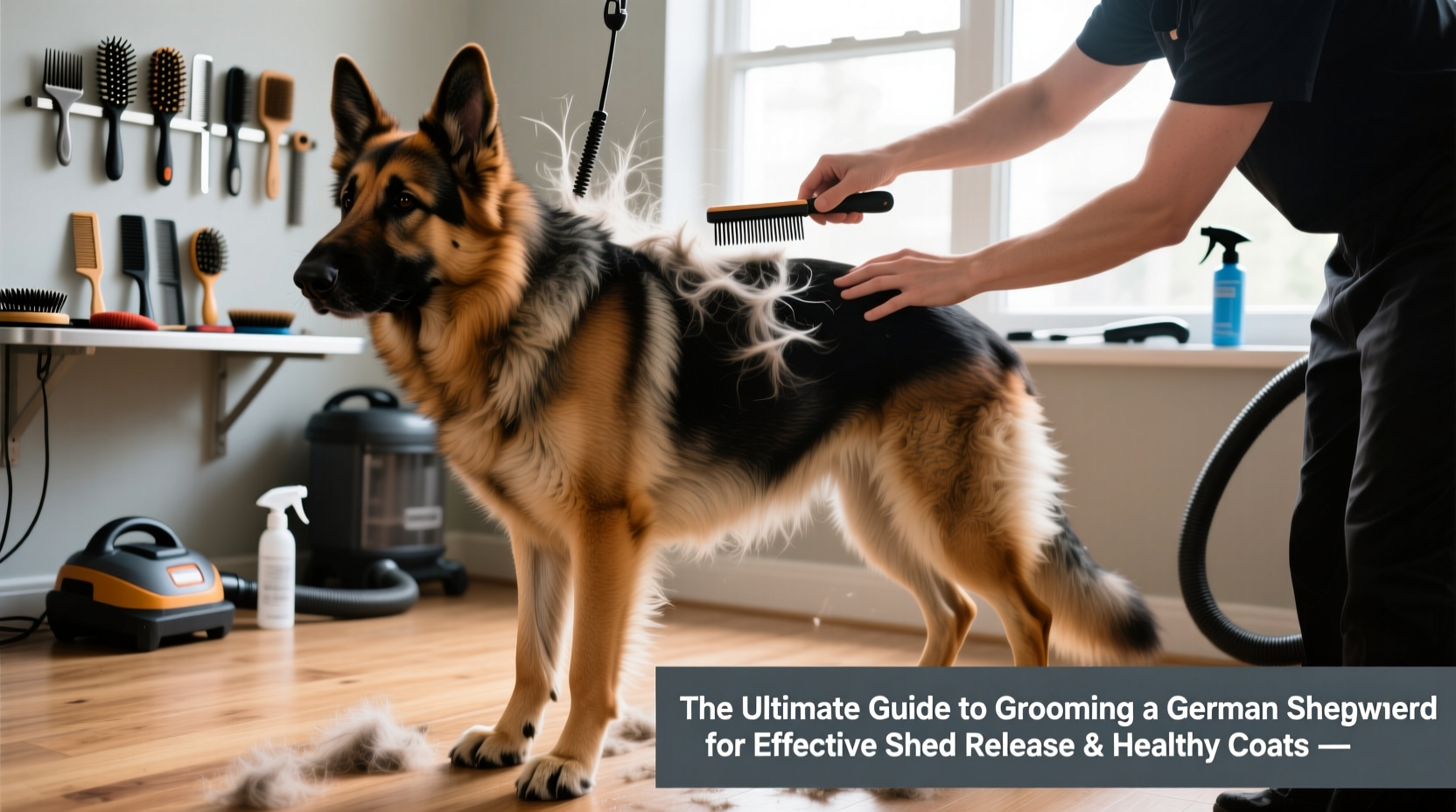
German Shepherds have a distinctive double coat consisting of two layers: a soft, insulating undercoat and a coarser, protective outer coat. The undercoat is responsible for most of the shedding, especially during spring and fall when they “blow” their coat to adapt to temperature changes. Unlike single-coated breeds, improper grooming can lead to trapped dead hair, skin irritation, and even hot spots.
The texture and thickness of the coat vary slightly depending on lineage—working lines may have thicker, more weather-resistant fur, while show lines often have longer, fuller coats. Regardless of type, all German Shepherds require proactive grooming to maintain coat health and reduce loose hair in the home.
Tip: Never shave a German Shepherd. Their double coat regulates body temperature and protects against sunburn and insect bites. Shaving disrupts this natural function and can cause permanent coat damage.Essential Grooming Tools and Supplies
Using the right tools makes a dramatic difference in effectiveness and comfort for your dog. Investing in high-quality grooming equipment ensures thorough undercoat removal without irritating the skin.
| Tool | Purpose | Recommended Use |
|---|---|---|
| Undercoat Rake (e.g., Furminator) | Removes loose undercoat deeply embedded near the skin | Weekly during non-shedding seasons; 2–3 times weekly during blowouts |
| Slicker Brush | Detangles topcoat and removes surface debris | 2–3 times per week |
| Pin Brush | Smooths outer coat and adds shine | After raking or bathing |
| Dematting Comb | Carefully separates minor mats without cutting skin | As needed, gently |
| High-Velocity Dog Dryer | Blasts out loose undercoat after bathing | Post-bath only |
Avoid low-quality brushes that pull hair instead of releasing it. Stainless steel tines with rounded tips are ideal for preventing skin abrasions.
Step-by-Step Grooming Routine for Shed Control
An effective grooming session follows a logical sequence to maximize results and minimize stress for your dog. Perform this routine weekly, increasing frequency during peak shedding periods.
- Brush in Sections: Start at the shoulders and work backward in small sections. Use firm, even strokes with the undercoat rake at a 45-degree angle to lift dead hair without pressing into the skin.
- Focus on High-Shed Areas: Pay extra attention to the back, behind the ears, under the legs, and along the tail—these zones accumulate the most undercoat.
- Use the Slicker Brush: After raking, go over the entire coat with a slicker brush to catch remaining loose hairs and smooth the top layer.
- Check for Mats: Run fingers through the fur to detect tangles. Use a dematting comb on small mats; if large or tight, consult a professional groomer to avoid injury.
- Finish with a Pin Brush: This adds shine and ensures no tool residue remains.
- Wipe Face and Paws: Use a damp cloth to clean around the eyes and between paw pads where debris collects.
Each session should last 20–30 minutes. Keep treats nearby to reinforce positive behavior and make grooming a calm, predictable experience.
“Consistent brushing not only reduces shedding by up to 80% but also allows early detection of skin issues like allergies or parasites.” — Dr. Lena Torres, DVM, Canine Dermatology Specialist
Grooming Timeline: Seasonal Adjustments for Maximum Results
Shedding isn’t constant—it fluctuates with the seasons. Adapting your grooming frequency and technique ensures your German Shepherd stays comfortable and healthy year-round.
- Spring (March–May): Peak shedding season. Increase brushing to every other day. Use an undercoat rake daily during the first two weeks of heavy blowout.
- Summer (June–August): Maintain weekly grooming. Bathe once every 6–8 weeks using a moisturizing dog shampoo to prevent dry skin.
- Fall (September–November): Second major shedding phase. Repeat spring protocol. Focus on removing old summer coat to make room for winter insulation.
- Winter (December–February): Reduce brushing to weekly unless indoor heating increases shedding. Avoid excessive bathing, which strips natural oils.
During extreme blowouts, consider a professional de-shedding treatment, which uses specialized shampoos and high-velocity drying to loosen and extract undercoat efficiently.
Common Mistakes and How to Avoid Them
Even well-meaning owners make errors that compromise coat health. Awareness of these pitfalls leads to better outcomes.
Tip: Always brush in the direction of hair growth. Back-brushing can break guard hairs and create uneven texture.- Overbathing: Washing more than once every 4–6 weeks strips essential oils, leading to dry skin and increased shedding.
- Skipping the Undercoat Tool: Regular brushing alone won’t reach deep undercoat. An undercoat rake is non-negotiable for effective shedding control.
- Ignoring Skin Health: Redness, flakiness, or bald patches signal underlying issues. Consult a vet if you notice persistent skin problems.
- Using Human Shampoo: pH differences can irritate canine skin. Always use veterinarian-approved dog products.
Real-Life Example: Managing Heavy Shedding in a Multi-Pet Home
Sarah, a pet owner in Wisconsin, adopted a German Shepherd named Max and quickly found her home overwhelmed with fur. Despite vacuuming daily, her couches and clothes were constantly coated. She began following a structured grooming plan: bi-weekly brushing increased to every other day during spring. She invested in a quality undercoat rake and a high-velocity dryer. Within three weeks, visible shedding dropped by nearly 70%. Sarah also introduced a fish oil supplement recommended by her vet, which improved Max’s coat shine and reduced dryness. Her consistency transformed grooming from a chore into a bonding ritual—and her home became noticeably fur-free.
Nutrition and Supplements for a Healthier Coat
Grooming is only half the equation. A shiny, resilient coat starts from within. Omega-3 and omega-6 fatty acids support skin hydration and reduce inflammation. Look for dog foods rich in salmon, flaxseed, or added fish oil. Many owners report improved coat condition after introducing a daily fish oil supplement.
Addition of vitamin E and biotin can further strengthen hair follicles. Always consult your veterinarian before starting supplements, especially if your dog has existing health conditions.
FAQ: Common Questions About German Shepherd Grooming
How often should I bathe my German Shepherd?
Bathe your German Shepherd every 6–8 weeks unless they get particularly dirty. Overbathing removes natural oils and can increase shedding. Use a sulfate-free, moisturizing dog shampoo formulated for double-coated breeds.
Can I use a human lint roller to pick up shed fur?
While lint rollers work for small areas like clothing or car seats, they’re impractical for furniture and floors. Instead, use a rubber grooming mitt or microfiber cloth dampened slightly—these attract fur more effectively and are reusable.
Why is my German Shepherd shedding all year round?
Indoor heating and air conditioning disrupt natural shedding cycles, causing year-round shedding. While some shedding is normal, consistent excessive loss may indicate poor diet, stress, allergies, or thyroid issues. If in doubt, consult your vet.
Final Checklist: Your German Shepherd Grooming Routine
- Acquire essential tools: undercoat rake, slicker brush, pin brush, dematting comb.
- Brush at least once a week; increase to every other day during shedding seasons.
- Inspect skin regularly for redness, bumps, or parasites.
- Bathe every 6–8 weeks with a coat-friendly shampoo.
- Use a high-velocity dryer after baths to remove loosened undercoat.
- Feed a balanced diet rich in omega fatty acids.
- Never shave or clip the coat.
- Maintain a consistent schedule to build trust and reduce resistance.
Conclusion: Take Action for a Healthier, Happier German Shepherd
Grooming your German Shepherd isn’t just about cleanliness—it’s a vital component of their overall health and comfort. With the right tools, timing, and techniques, you can dramatically reduce shedding, prevent skin issues, and keep their coat strong and lustrous. More than that, these moments of care deepen your connection and provide mental stimulation for your dog. Start implementing these practices today, stay consistent, and watch both your home and your companion transform.
💬 Have a grooming tip or success story with your German Shepherd? Share it in the comments below and help fellow owners manage shedding with confidence!








