For marine enthusiasts and reef keepers, propagating corals through fragmenting—commonly known as \"harvesting coral tips\"—is both a rewarding practice and an essential skill. It allows hobbyists to grow their own reef tanks sustainably while reducing pressure on natural reefs. However, diving into this process without proper knowledge can harm the coral, your tank, or even violate environmental regulations. This guide walks you through everything a beginner needs to know: from identifying healthy coral tips to harvesting them responsibly and ensuring successful regrowth.
Understanding Coral Fragmentation
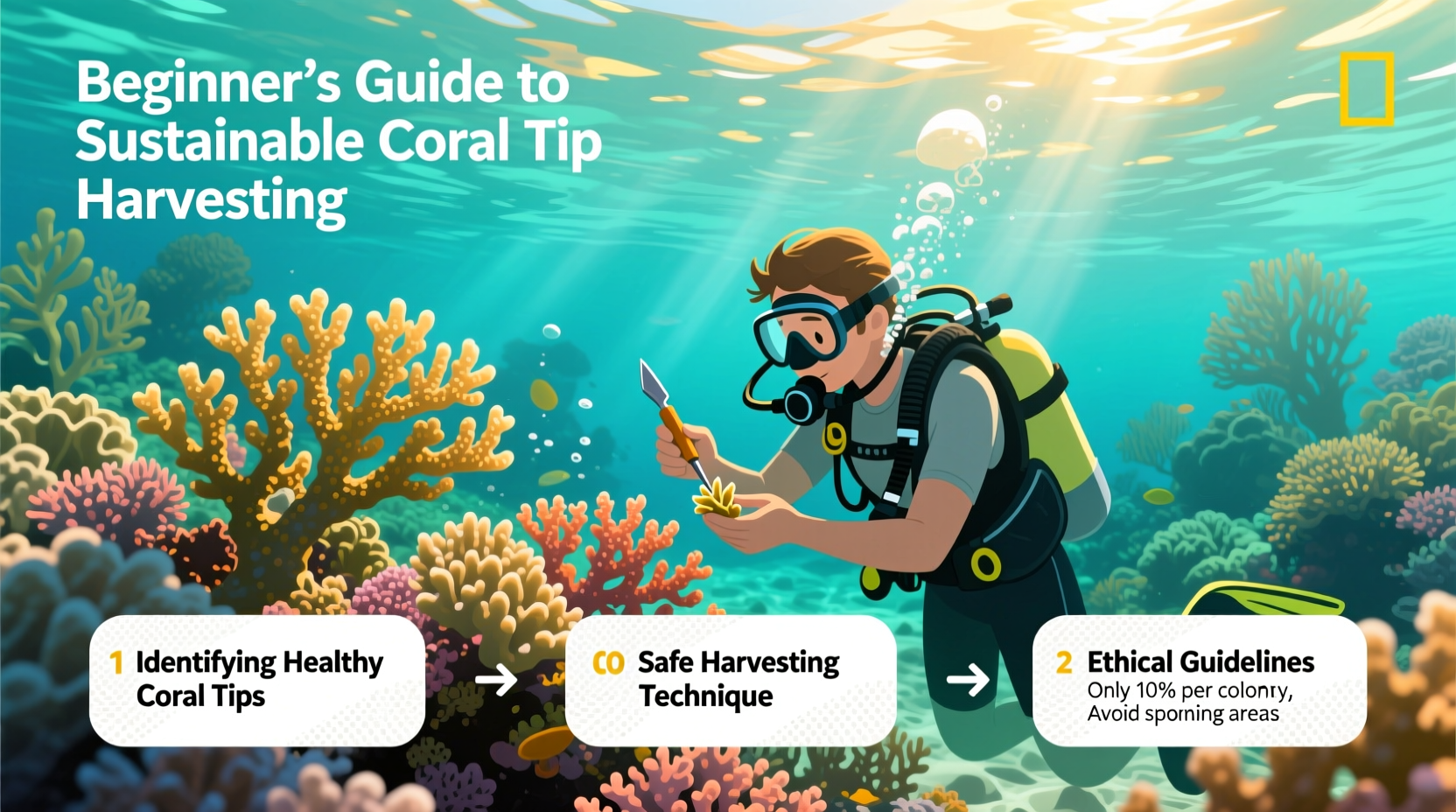
Coral fragmentation is a form of asexual reproduction where a small piece of coral is removed from a parent colony and allowed to grow into a new individual. In nature, this occurs when storms break off pieces that settle elsewhere. In reef aquariums, it’s done intentionally to propagate desirable species.
Most stony corals (SPS and LPS) and soft corals like zoanthids and mushrooms are excellent candidates for fragmentation. The key is selecting healthy specimens with strong coloration, active polyp extension, and no signs of disease or bleaching.
Tip: Always use dedicated fragging tools—like ceramic cutters for SPS or scissors for soft corals—to prevent cross-contamination.Where to Find Coral Tips
Beginners often assume they must harvest directly from wild reefs, but this is neither legal nor ethical in most regions. Instead, responsible sources include:
- Reputable aquarium stores – Many sell pre-fragged corals grown in captivity.
- Local reef clubs or online communities – Hobbyists frequently trade or sell fragments.
- Public aquaculture programs – Some conservation centers offer coral propagation kits.
- Your own tank – Once you have a thriving colony, you can begin fragging at home.
The best time to acquire coral tips is during local frag swaps or after major aquarium expos, where vendors offer discounts and expert advice.
“Over 75% of corals in the U.S. aquarium trade today are captive-grown. That’s a win for sustainability.” — Dr. Lena Torres, Marine Biologist & Aquaculture Researcher
Step-by-Step Guide to Harvesting Coral Tips
When you're ready to frag your own coral, follow this proven sequence to ensure safety and success.
- Prepare Your Tools: Sterilize cutters, tweezers, and containers with a 10% bleach solution, then rinse thoroughly.
- Choose the Right Colony: Pick a healthy, fast-growing coral with multiple branches or polyps.
- Identify Fragment Zones: Look for outer tips or side branches—these heal faster and minimize stress.
- Cut Precisely: For SPS corals, snap or cut between segments using bone cutters. For soft corals, slice cleanly with sharp scissors.
- Attach the Frag: Use two-part epoxy or frag glue to mount the tip onto a ceramic plug or rock.
- Place in Low-Flow Area: Return both parent and frag to the tank in areas with gentle flow to reduce stress.
- Monitor Daily: Check for retraction, algae growth, or signs of infection over the next week.
Avoid removing more than 30% of a coral colony at once. Over-harvesting weakens the parent and reduces survival rates in fragments.
Essential Do’s and Don’ts When Handling Coral Tips
| Action | Do | Don’t |
|---|---|---|
| Cutting Corals | Use clean, sharp tools designed for fragging | Use kitchen knives or rusty scissors |
| Handling | Wear gloves and avoid touching polyps directly | Touch corals with bare hands or dirty tools |
| Frag Mounting | Allow epoxy to set fully before submerging | Rush the curing process |
| Water Conditions | Maintain stable parameters (calcium, alkalinity, pH) | Perform large water changes right after fragging |
| Lighting | Temporarily reduce intensity post-frag | Expose new frags to maximum light immediately |
Real Example: A Beginner’s First Frag Success
Jamal, a hobbyist in Tampa, started with a single green montipora capricornis in his 50-gallon reef tank. After six months of stable conditions and regular dosing, the coral had tripled in size. With guidance from a local reef club, he decided to try fragging.
He sterilized his cutters, selected three outer branches, and carefully snapped them off. Using underwater epoxy, he mounted each piece on a frag plug. He placed the parent and frags in a low-flow zone and reduced lighting by 30% for five days.
Within ten days, all three frags showed polyp extension. Two months later, each had grown by over 40%. Jamal traded one frag at a local swap and now plans to start a mini frag rack.
This example shows that even first-time attempts can succeed with preparation and patience.
Common Challenges and How to Avoid Them
New fraggers often encounter setbacks such as tissue recession, algal overgrowth, or failed attachment. These issues usually stem from poor hygiene, unstable water chemistry, or improper placement.
To prevent tissue necrosis, always dip new or freshly cut frags in a coral-safe antiparasitic solution like Lugol’s iodine (for 30 seconds). Also, ensure your calcium levels stay between 400–450 ppm and alkalinity between 8–12 dKH to support skeletal growth in stony corals.
If a frag starts to deteriorate, isolate it in a quarantine tank. Trim away dead tissue with sterile tools and treat with a short iodine dip. Sometimes, simply relocating the frag to a different part of the tank—with better flow or less competition—can turn things around.
FAQ
Can I harvest coral tips from wild reefs?
No. Harvesting corals from natural reefs is illegal in most countries, including under U.S. federal law and international CITES regulations. Wild collection damages fragile ecosystems and contributes to reef decline. Always source corals from captive-bred suppliers.
How long does it take for a coral tip to grow?
Growth rates vary by species. Fast-growing soft corals like xenia may double in size within 4–6 weeks. SPS corals like acropora typically grow 1–2 inches per year under optimal conditions. Patience and consistent care are critical.
Do I need special equipment to start fragging?
Basic tools include fragging cutters, mounting plugs, epoxy, and gloves. As you advance, consider investing in a frag rack, dipping station, and magnifying lens for precision work. But beginners can start with minimal gear.
Conclusion
Harvesting coral tips opens a world of creativity and sustainability in reef keeping. By learning to identify healthy colonies, using proper techniques, and respecting ecological boundaries, beginners can contribute positively to the aquarium community. Every frag you grow reduces demand on natural reefs and deepens your understanding of marine life.
💬 Ready to try your first frag? Start with a hardy soft coral, document your progress, and share your journey with fellow hobbyists. The reef-keeping community thrives on shared knowledge—your experience could inspire others.








