Traveling with a kitten can be both rewarding and challenging. Whether you're heading to the vet, visiting family, or enjoying a pet-friendly outing, using a shoulder bag offers convenience and comfort—if done correctly. However, kittens are fragile, easily stressed, and require specific handling to ensure their safety and well-being. This guide provides comprehensive, veterinarian-informed strategies to help you transport your kitten securely and calmly in a shoulder bag, minimizing anxiety for both you and your feline companion.
Understanding Your Kitten’s Needs During Travel
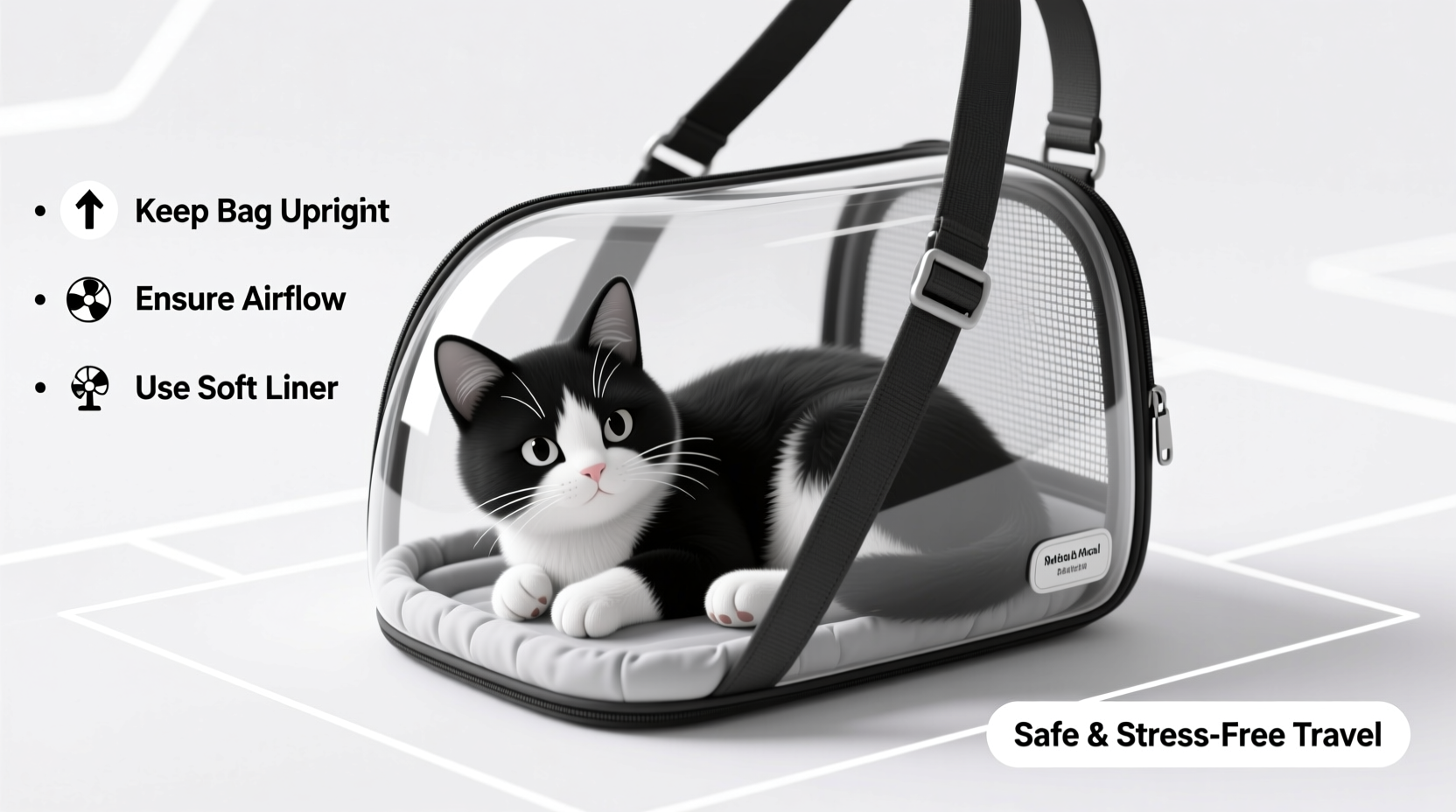
Kittens under six months old are especially sensitive to environmental changes. Their developing bodies and nervous systems react strongly to unfamiliar sounds, movements, and smells. A shoulder bag might seem like a cozy solution, but without proper preparation, it can become a source of fear or even physical risk. The ideal carrier mimics a den-like environment—dark, snug, and secure—while allowing airflow and visibility if the kitten is comfortable with it.
Unlike adult cats, kittens lack the muscle control and balance to stabilize themselves during motion. Sudden stops, jostling, or improper positioning can lead to injury. Therefore, any shoulder bag used must be modified or selected specifically with these vulnerabilities in mind.
“Kittens should never be carried loosely in bags not designed for pets. Even short trips require structured support and ventilation.” — Dr. Lena Reyes, Feline Behavior Specialist
Choosing the Right Shoulder Bag: Do’s and Don’ts
Not all shoulder bags are suitable for kittens. The wrong choice can restrict breathing, cause overheating, or allow escape. Below is a comparison of features to look for and avoid when selecting or adapting a bag.
| Feature | Do | Don’t |
|---|---|---|
| Ventilation | Mesh panels on at least two sides | Solid fabric with no airflow |
| Structure | Firm base or insertable board | Soft, slouchy material that collapses |
| Opening | Top and front zipper access | Narrow side opening only |
| Interior Lining | Washable, non-slip fabric | Loose padding or frayed edges |
| Security | Lockable zippers or clips | Pull-tab zippers that open easily |
If you’re repurposing a fashion shoulder bag, consider adding a removable foam base and breathable mesh inserts. Never use a bag with long straps that swing freely—opt for crossbody styles that stay close to your body and reduce motion.
Tip: Test the bag at home first. Place it on the floor and let your kitten explore it with treats and toys before introducing confinement.Step-by-Step: Preparing Your Kitten for Shoulder Bag Travel
Acclimating your kitten to the bag is as important as the equipment itself. Rushing this process leads to panic and negative associations. Follow this timeline over 5–7 days:
- Day 1–2: Open Access – Leave the open bag in a quiet room with soft bedding and catnip or treats inside. Let your kitten enter voluntarily.
- Day 3: Short Encounters – Gently place your kitten inside for 2–3 minutes while offering praise and a treat. Close the zipper slightly, then reopen.
- Day 4: Simulated Carry – With your kitten inside briefly, lift the bag a few inches off the ground while standing still. Keep sessions under one minute.
- Day 5: Movement Practice – Walk slowly around a room while holding the bag securely. Monitor your kitten’s breathing and posture.
- Day 6–7: Full Simulation – Take a short indoor “trip” near a door or balcony (no actual travel). Use a jacket to cover the bag and reduce visual stimuli if needed.
Watch for signs of distress: dilated pupils, excessive meowing, panting, or freezing. If observed, return to earlier steps and proceed more slowly.
Safe Carrying Practices During Travel
Once your kitten is accustomed to the bag, follow these best practices during actual outings:
- Always carry the bag against your torso, not dangling from your shoulder.
- Keep the bag upright—never tilt it sideways or upside down.
- Use a secondary safety strap or clip the bag to a belt loop if traveling in crowded areas.
- Avoid loud environments like concerts or busy markets until your kitten matures.
- Bring a lightweight fleece blanket with familiar scents (e.g., from their bed).
Never leave your kitten unattended in the bag, even for a minute. Temperature regulation is critical—avoid direct sunlight and freezing conditions. The ideal internal temperature range for a kitten is between 68°F and 75°F (20°C–24°C).
Mini Case Study: Emma and Milo’s Vet Visit
Emma, a first-time cat owner, needed to take her 10-week-old kitten Milo to the vet. She purchased a canvas tote with mesh side panels and reinforced the bottom with a plastic board. Over five days, she introduced Milo to the bag using tuna treats and a favorite plush mouse. On travel day, she covered the bag with a thin scarf to reduce visual stimulation and held it close to her chest during the 10-minute walk. Milo remained calm throughout and even napped during the return trip. The vet praised Emma’s preparation, noting that Milo showed minimal stress markers during the exam.
Essential Checklist Before Every Trip
Before leaving the house, verify the following:
- ✅ Bag has secure, breathable mesh panels
- ✅ Interior is lined with soft, washable fabric
- ✅ Base is firm and prevents sagging
- ✅ Zippers are closed and secured with pet-safe locks
- ✅ Kitten is wearing a microchipped collar (if applicable)
- ✅ Emergency kit includes a towel, water dropper, and contact info
- ✅ You’ve allowed time for a pre-trip potty break (kittens eliminate every 2–3 hours)
Frequently Asked Questions
Can I carry my 6-week-old kitten in a shoulder bag?
Yes, but only for very short durations (under 15 minutes) and after thorough acclimation. Ensure the bag maintains a warm, stable temperature and avoid public transportation or noisy areas.
How do I clean the bag after each use?
Remove all linings and wash them in mild, fragrance-free detergent. Wipe down hard surfaces with a pet-safe disinfectant. Air dry completely before reuse to prevent mold and odor buildup.
What if my kitten cries during travel?
Occasional vocalization is normal. If crying persists, stop and check for discomfort, overheating, or improper positioning. Speak softly and gently pat the bag. If distress continues, abort the trip and revisit training steps at home.
Final Thoughts: Prioritizing Safety Over Convenience
While shoulder bags offer portability, they should never compromise your kitten’s safety or emotional well-being. The goal isn’t just to move your kitten from point A to B—it’s to do so in a way that builds trust and reduces fear. By choosing the right bag, preparing your kitten gradually, and following safe handling practices, you create positive travel experiences that last a lifetime.
💬 Have a successful kitten travel story or tip? Share your experience in the comments to help fellow cat owners make safer, smarter choices.








