Moving a cat’s litter box is rarely as simple as picking it up and placing it in a new spot. Cats are creatures of habit, deeply attuned to their environment and routines. A sudden change in litter box location can lead to confusion, anxiety, or even inappropriate elimination—your cat may start avoiding the box altogether. But with patience, planning, and an understanding of feline behavior, you can successfully transition the litter box to a new location without disrupting your cat’s sense of security.
This guide walks you through every step of the process, from assessing your cat’s current habits to executing a gradual relocation plan that minimizes stress for both you and your pet.
Understanding Your Cat’s Litter Box Behavior
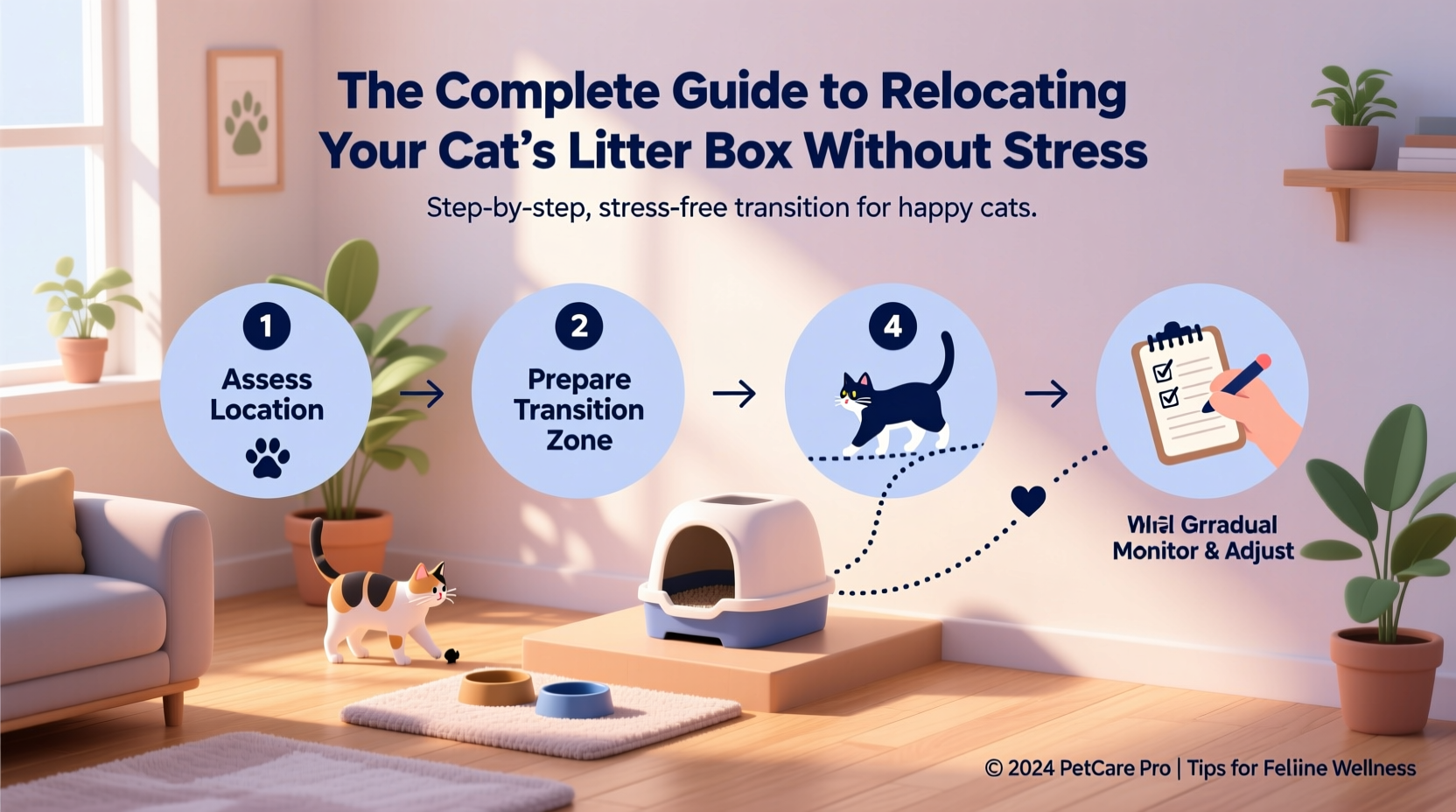
Cats are fastidious by nature. They prefer clean, quiet, and easily accessible spaces for elimination. Any disruption to these conditions can affect their willingness to use the litter box. Before considering a move, ask yourself: Why does the box need to be relocated? Common reasons include remodeling, reducing odor in living areas, or improving household traffic flow.
Whatever the reason, remember that your cat doesn’t understand human logic. To them, the litter box is a vital part of their territory. Abrupt changes can feel like a threat to their safety. That’s why a slow, methodical approach is essential.
Tip: Never move the litter box immediately after a stressful event (like moving homes or introducing a new pet). Wait until your cat is settled.A Step-by-Step Plan for Relocating the Litter Box
The key to success lies in incremental movement. Sudden shifts confuse cats and often result in accidents. Instead, follow this timeline-based strategy:
- Assess the current setup: Note the box’s location, type of litter, number of boxes (if multiple cats), and daily usage patterns.
- Determine the final destination: Choose a quiet, low-traffic area with easy access. Avoid loud appliances, food bowls, or tight corners.
- Begin with small shifts: Move the box no more than 1–3 feet per day in the desired direction. This maintains familiarity while gradually changing location.
- Maintain consistency: Keep the same litter type, box style, and cleaning routine throughout the transition.
- Monitor behavior closely: Watch for signs of hesitation, vocalization near the box, or elimination outside the box.
- Reach the final spot: Once in position, leave the box undisturbed for several weeks to reinforce acceptance.
If your cat uses multiple boxes, move only one at a time. Leave the others in place to ensure continuous access.
Common Mistakes to Avoid
Even well-intentioned owners make errors that undermine progress. Below is a comparison of recommended practices versus common pitfalls.
| Do’s | Don’ts |
|---|---|
| Move the box incrementally (1–3 feet per day) | Relocate the box overnight or across rooms suddenly |
| Keep the same litter and box type during transition | Change litter, box, and location simultaneously |
| Place the new location in a quiet, private area | Put the box near noisy appliances or high-traffic zones |
| Clean the box daily and replace litter regularly | Neglect hygiene, leading to odor buildup |
| Provide multiple boxes if you have multiple cats | Expect all cats to share one box in a new, unfamiliar spot |
Real-Life Example: Moving a Litter Box Across a Living Room
Sarah adopted a shy rescue cat named Milo who used his litter box tucked behind the couch. When she decided to rearrange her living room, she couldn’t keep the box in that spot. She began by shifting the box just six inches toward the hallway each day. She used the same unscented clumping litter and cleaned it every morning.
After three days, Milo paused before entering but still used it. Sarah slowed the pace to four inches per day. By day ten, the box reached its new home under the stairs—a quieter, more discreet location. She placed a soft mat beneath it to reduce noise on the hardwood floor. Within two weeks, Milo showed no hesitation. The transition succeeded because Sarah respected his pace and maintained environmental consistency.
Expert Insight on Feline Stress and Territory
“Cats rely on spatial memory and scent cues for elimination. Disrupting those signals without warning can trigger avoidance behaviors. Gradual relocation aligns with their natural navigation instincts.” — Dr. Lena Torres, DVM, Feline Behavioral Consultant
This insight underscores why abrupt moves backfire. Cats don’t just “get over” changes quickly. Their brains are wired to detect anomalies in their environment as potential threats. A slow transition allows them to update their mental map safely.
Checklist: Preparing for a Stress-Free Litter Box Move
- ✅ Identify the ideal final location (quiet, accessible, away from food)
- ✅ Confirm you’re using the same litter type and box model
- ✅ Commit to moving the box no more than 1–3 feet per day
- ✅ Clean the box daily during the transition
- ✅ Monitor your cat’s behavior for signs of stress or avoidance
- ✅ Keep a second temporary box in the original location if needed
- ✅ Allow 2–4 weeks for full adjustment, depending on distance
- ✅ Avoid other environmental changes (new furniture, pets, etc.) during the move
Frequently Asked Questions
How long does it take to move a litter box successfully?
The timeline depends on distance and your cat’s temperament. For short moves (under 10 feet), expect 7–10 days. Longer relocations may take 3–4 weeks. Rushing increases the risk of accidents.
What if my cat refuses to use the box in the new spot?
Stop moving the box and let your cat adjust at the current position for several extra days. You can also place some soiled litter from the old location into the new box to transfer familiar scent. If refusal persists, consult your veterinarian to rule out medical issues.
Can I move the box to another floor of the house?
Yes, but proceed with extreme caution. Vertical movement adds complexity. Use a ramp or steps your cat already uses confidently. Consider leaving a temporary box on each floor during the transition, especially for older or arthritic cats.
Tip: Sprinkle a few grains of the original litter along the path to the new box to create a scent trail your cat can follow.Final Thoughts and Next Steps
Relocating a litter box isn’t just about logistics—it’s about empathy. Your cat depends on predictability to feel safe. By moving slowly, observing carefully, and maintaining consistency, you honor their needs while achieving your household goals.
Start today by measuring the distance to your desired location and planning your daily increments. Track your cat’s reactions in a notebook or app. Celebrate small wins: each day your cat uses the box in its new position is a step forward.
Remember, patience isn’t just kind—it’s effective. A stress-free transition protects your cat’s health, strengthens trust, and keeps your home clean. Share your experience with other cat owners, or leave a comment below to help someone facing the same challenge.
💬 Have you successfully moved your cat’s litter box? Share your story or tips to help fellow cat lovers navigate this common but delicate task.








