Swollen gums in the back of the mouth are more than just a minor irritation—they can signal underlying oral health issues that require attention. Unlike general gum discomfort, swelling localized toward the molars often stems from specific conditions such as impacted wisdom teeth, periodontal disease, or infections. Left untreated, these problems can lead to pain, difficulty eating, and even tooth loss. Understanding the root causes, recognizing early symptoms, and knowing which treatments are available empowers you to take timely action and protect your long-term dental health.
Common Causes of Swollen Gums in the Back
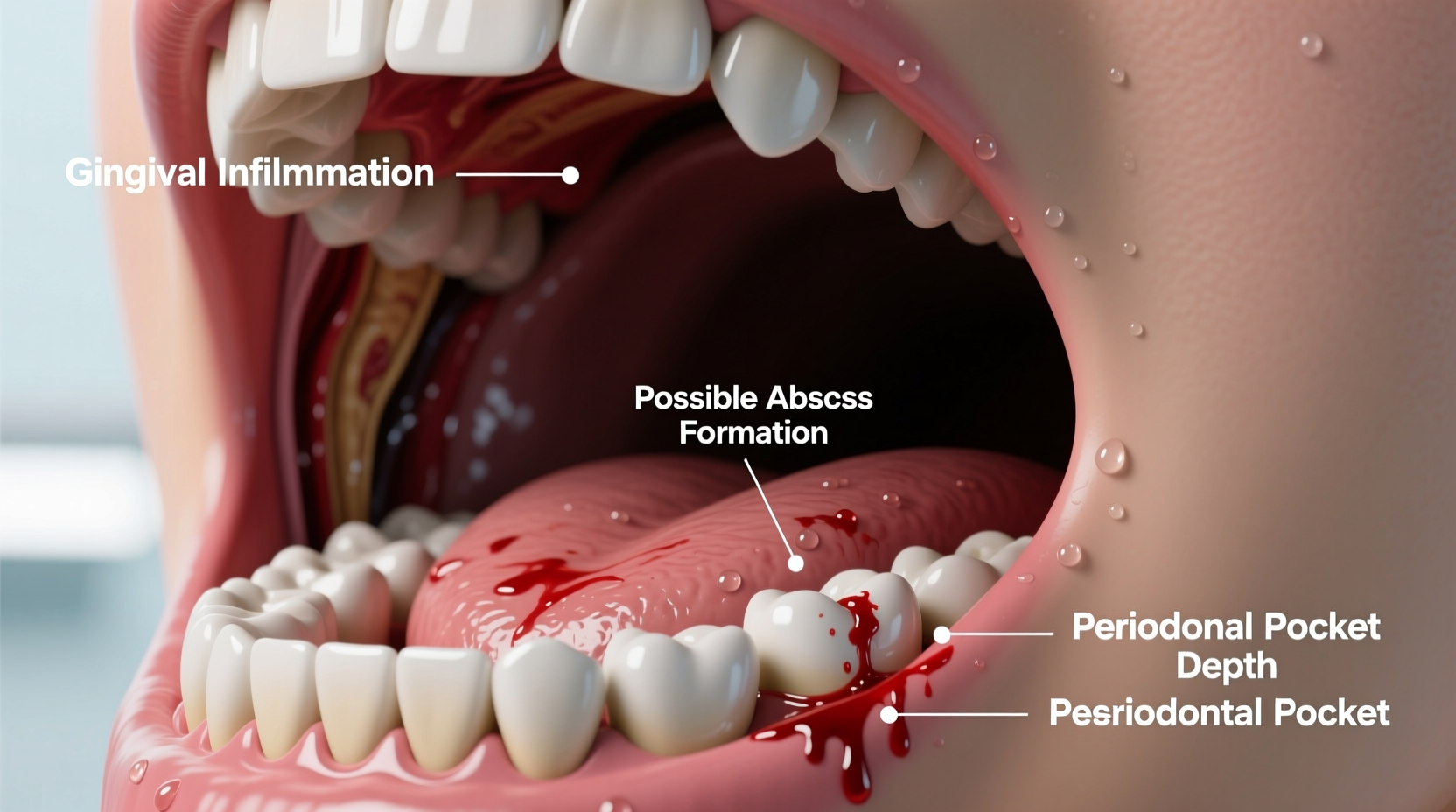
Swelling at the back of the mouth is rarely random. It typically results from one or more identifiable factors, many of which are preventable with proper care.
- Impacted Wisdom Teeth: When third molars don’t fully erupt, they can trap food and bacteria beneath the gum line, leading to pericoronitis—an infection causing redness, swelling, and pain.
- Gingivitis and Periodontitis: Poor oral hygiene allows plaque to accumulate along the gumline, especially in hard-to-reach areas like the back molars. This leads to inflammation and, over time, deeper infection of the supporting bone structure.
- Dental Abscess: A pocket of pus caused by bacterial infection, often originating from a decayed or cracked tooth. These abscesses commonly form near molar roots and cause significant swelling and throbbing pain.
- Food Impaction: Trapped food particles between molars can irritate the gums and promote bacterial growth, resulting in localized inflammation.
- Bruxism (Teeth Grinding): Chronic grinding exerts excessive force on the molars, irritating the surrounding tissues and contributing to gum recession and swelling.
- Systemic Conditions: Diabetes, hormonal changes, and autoimmune disorders can increase susceptibility to gum inflammation.
Symptoms Associated with Back Gum Swelling
Recognizing the full range of symptoms helps determine whether home care is sufficient or professional intervention is needed.
The most common indicators include:
- Pain or tenderness when chewing or brushing
- Red, puffy, or bleeding gums
- Bad breath or a foul taste in the mouth
- Difficulty opening the mouth fully
- Swelling that extends to the cheek or lymph nodes
- Pus discharge around the affected area
- Loose teeth in advanced cases
In severe infections, systemic symptoms like fever or fatigue may occur. These warrant immediate dental evaluation.
Treatment Options Based on Cause
Effective treatment depends on accurately identifying the underlying issue. Here’s how different causes are typically managed:
| Condition | Treatment Approach | Professional Involvement |
|---|---|---|
| Pericoronitis (from impacted wisdom tooth) | Rinsing with warm salt water; antibiotics if infected; extraction if recurrent | Dentist or oral surgeon required |
| Gingivitis | Improved brushing/flossing; antimicrobial mouthwash | Dental cleaning recommended |
| Periodontitis | Scaling and root planing; possible surgery in advanced cases | Periodontist may be involved |
| Dental Abscess | Drainage, antibiotics, root canal, or extraction | Urgent dental care necessary |
| Food Impaction | Flossing, interdental brushes, improved hygiene | Preventive check-up advised |
“Localized gum swelling in the posterior region should never be ignored. It’s often the first sign of an infection that can spread rapidly if not treated.” — Dr. Lena Patel, Board-Certified Periodontist
Step-by-Step Home Care and Prevention Plan
While some conditions require professional treatment, daily habits play a crucial role in both recovery and prevention.
- Rinse with Warm Salt Water: Mix ½ teaspoon of salt in 8 oz of warm water. Swish gently for 30 seconds, 2–3 times daily to reduce inflammation and flush debris.
- Use an Antiseptic Mouthwash: Choose alcohol-free formulas containing cetylpyridinium chloride or chlorhexidine to target bacteria without drying tissues.
- Floss Daily: Use waxed floss or a water flosser to clean between back teeth where plaque builds up easily.
- Brush Properly: Angle your toothbrush at 45 degrees toward the gumline and use soft bristles. Focus extra attention on the molars.
- Avoid Irritants: Steer clear of tobacco, spicy foods, and carbonated drinks during active inflammation.
- Monitor Symptoms: Track pain levels, swelling duration, and any changes over 48 hours. Worsening signs mean it’s time to call your dentist.
Mini Case Study: Delayed Wisdom Tooth Extraction
Sarah, a 24-year-old teacher, noticed mild soreness behind her lower right molar. She assumed it was due to stress-related clenching and used over-the-counter pain relief. Over two weeks, the area became increasingly swollen, making it difficult to eat. She developed a low-grade fever and noticed a bad taste in her mouth. Upon visiting her dentist, she was diagnosed with acute pericoronitis caused by a partially erupted wisdom tooth. After a course of antibiotics and surgical removal of the tooth, her symptoms resolved completely. Her case highlights how seemingly minor discomfort can escalate quickly without proper diagnosis.
Checklist: When to See a Dentist Immediately
Not all gum swelling requires emergency care—but certain red flags demand prompt attention. Use this checklist:
- ✅ Swelling persists beyond 3 days despite home care
- ✅ Pain interferes with sleep or daily function
- ✅ Visible pus or discharge near the gumline
- ✅ Difficulty swallowing or breathing (seek ER immediately)
- ✅ Fever above 100.4°F (38°C)
- ✅ Swollen lymph nodes in the neck
- ✅ History of diabetes or compromised immunity
Frequently Asked Questions
Can swollen gums in the back go away on their own?
Mild inflammation from temporary irritation (like trapped food) may resolve within a day or two with good oral hygiene. However, persistent swelling usually indicates an ongoing issue such as infection or impaction and will not heal without targeted treatment.
Is it safe to pop a swollen gum bump at the back of my mouth?
No. Attempting to drain a gum abscess yourself can push bacteria deeper into tissues or into the bloodstream, increasing the risk of serious complications. Always have a dental professional manage drainage safely.
How long does it take for swollen gums to heal after treatment?
With proper care, improvement is typically seen within 2–3 days. Full healing may take 1–2 weeks depending on the severity. For example, after wisdom tooth extraction, initial swelling peaks at 48 hours and gradually subsides over 7–10 days.
Final Thoughts and Call to Action
Your gums are a vital part of your overall health—not just your smile. Swelling in the back of the mouth may seem isolated, but it can reflect broader issues ranging from poor hygiene to systemic disease. The key is early recognition and consistent action. Whether through improved brushing techniques, timely dental visits, or addressing impacted teeth before they cause damage, proactive care makes all the difference.
💬 Have you experienced swollen gums in the back? Share your story or questions below. Your experience could help someone else recognize warning signs earlier and seek the care they need.








