The final days of the school year carry a special kind of magic. After months of learning, growth, and shared experiences, teachers and parents alike look for meaningful ways to honor students’ efforts. One of the most joyful traditions is distributing summer goodie bags—small packages filled with thoughtful, fun, and practical items that send kids off on vacation with smiles. These aren’t just random trinkets; when thoughtfully curated, they become keepsakes that acknowledge progress, spark excitement, and strengthen community.
A well-designed goodie bag balances fun and function. It should reflect the spirit of the season while also recognizing each student’s individuality. Whether you're a teacher preparing classroom gifts, a PTA organizer planning an end-of-year event, or a parent assembling treats for a small group, this guide offers actionable ideas, organization tips, and real-world inspiration to make your summer goodie bags truly memorable.
Why Goodie Bags Matter at the End of the Year
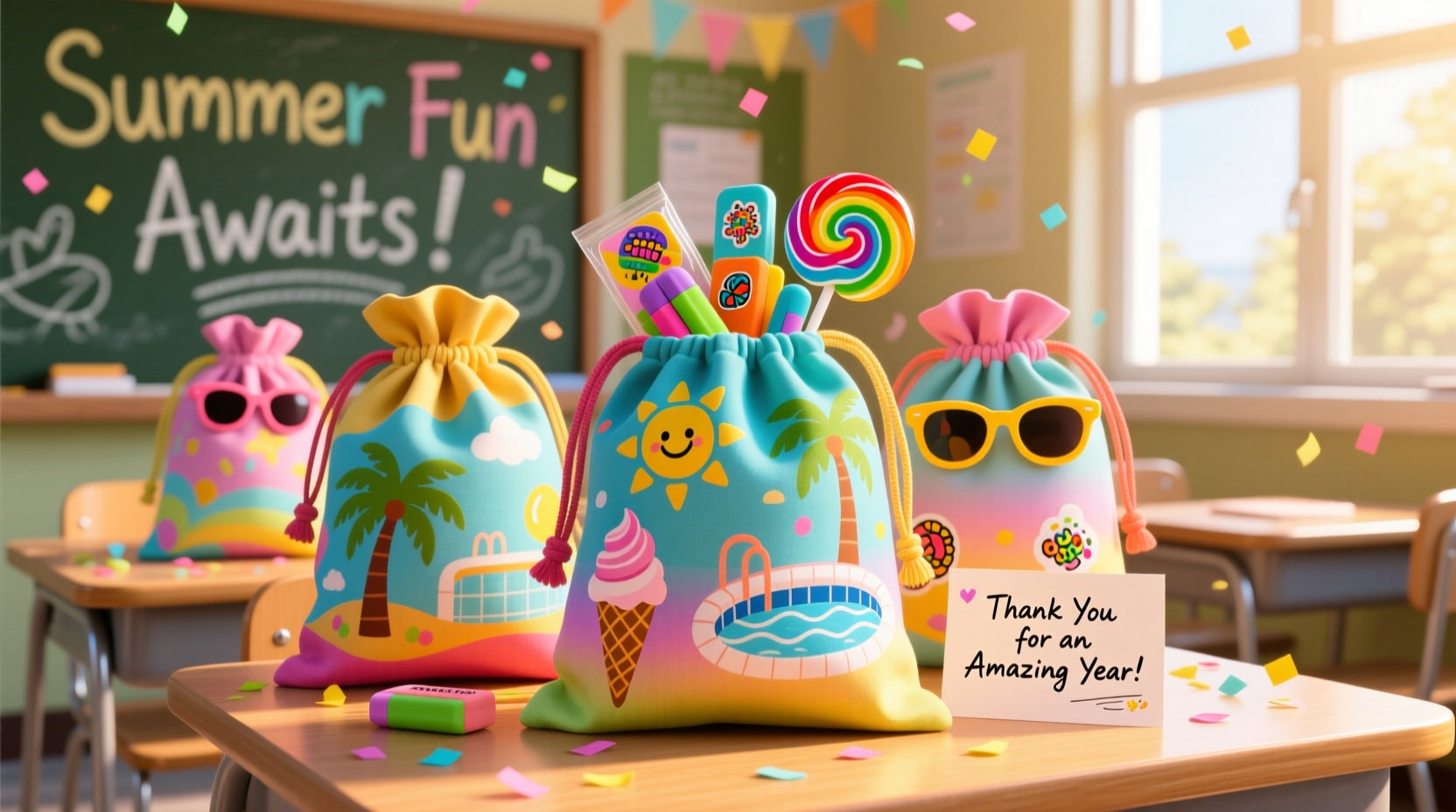
Goodie bags are more than just party favors—they serve as emotional milestones. They signal closure, celebration, and transition. For students, receiving a personalized bag reinforces a sense of belonging and appreciation. Research in educational psychology shows that non-academic recognition—such as small gifts or tokens—can boost self-esteem and motivation, especially when delivered at key moments like the end of a school year.
These bags also help bridge the gap between school and home life. When families see the care put into each item, it strengthens trust and engagement. Moreover, including summer-friendly tools encourages continued learning and activity during break, reducing the “summer slide” in academic skills.
“Students remember the little things—the note, the sticker, the surprise pencil. Those gestures say, ‘I see you, and I’m proud of you.’ That’s powerful.” — Dr. Lila Monroe, Child Development Specialist
Curating the Perfect Summer-Themed Selection
The best goodie bags tell a story: one of fun, freedom, and forward momentum. Start by choosing a theme. Popular options include beach adventures, backyard explorers, reading journeys, or simply “Summer Fun.” Once you’ve picked a direction, select items that align with it—both playful and practical.
Consider age appropriateness. Elementary students may love stickers and coloring tools, while middle schoolers might appreciate trendy accessories or journaling supplies. Always check for allergies, especially if including food items.
Tip: Involve students in brainstorming ideas. A quick poll or suggestion box can reveal what excites them most about summer.Essential Categories to Include
- Fun & Games: Mini puzzles, fidget toys, bubbles, trading cards
- Creative Tools: Colored pencils, sketchbooks, DIY craft kits
- Reading Encouragement: Bookmark, library card sleeve, free book from a local donor
- Outdoor Essentials: Sunscreen sample, sunglasses, water bottle tags
- Sweet Treats: Individually wrapped snacks, popsicle coupons, fruit gummies (check allergies)
- Personal Touches: Handwritten note, class photo, achievement sticker
Step-by-Step Guide to Assembling Goodie Bags
Creating dozens—or hundreds—of consistent, high-quality bags requires planning. Follow this timeline to stay organized and stress-free.
- Four Weeks Before School Ends: Decide on a budget, theme, and number of recipients. Draft a list of desired items.
- Three Weeks Out: Source donations or discounts. Reach out to local businesses, PTA groups, or online bulk retailers.
- Two Weeks Out: Purchase all materials. Store in labeled bins by category for easy assembly.
- One Week Out: Host a packing party. Invite volunteers—parents, older students, or staff—to help assemble bags.
- Final Days: Add personal touches like notes or photos. Distribute on the last day with a cheerful handoff.
Label each bag with the student’s name using stickers or tags. This small gesture makes the gift feel intentional and special.
Do’s and Don’ts: What to Avoid in Goodie Bag Planning
| Do’s | Don’ts |
|---|---|
| Include at least one useful item (e.g., notebook, sunscreen) | Overload bags with cheap plastic toys |
| Add a handwritten note or positive affirmation | Use generic, impersonal packaging |
| Check for nut-free and allergy-safe snacks | Assume all children like the same flavors or activities |
| Choose eco-friendly packaging (kraft paper bags, reusable totes) | Use excessive plastic wrap or non-recyclable materials |
| Align items with a clear theme (e.g., “Adventure Summer”) | Mix unrelated items without cohesion |
Real Example: Lincoln Elementary’s “Summer Passport” Bags
At Lincoln Elementary in Portland, Oregon, fourth-grade teachers transformed their goodie bags into interactive “Summer Passports.” Each child received a themed folder shaped like a suitcase, containing:
- A mini notebook titled “My Summer Adventures”
- A pack of colored pencils
- A temporary tattoo with a world landmark
- A reading challenge checklist with 10 books to explore
- A $2 coupon for a local ice cream shop donated by a community partner
- A laminated “passport” with stickers to collect for completing summer tasks
The initiative was a hit. Parents reported higher engagement in reading and outdoor play, and students returned in fall eager to share their completed passports. The school reused the concept the following year with different themes—“Science Explorer” and “Backyard Biologist”—proving that creativity scales.
Checklist: Preparing Your Summer Goodie Bags
Use this concise checklist to ensure nothing is missed:
- ☐ Finalize theme and target age group
- ☐ Set a per-bag budget (recommended: $5–$8)
- ☐ Create a shopping list with categories (fun, useful, edible, personal)
- ☐ Confirm allergy-safe food options
- ☐ Order or collect supplies two weeks in advance
- ☐ Prepare personalized notes or labels
- ☐ Schedule assembly time with helpers
- ☐ Pack and store finished bags securely
- ☐ Plan distribution method (classroom handout, pickup station, mail)
Frequently Asked Questions
How can I make goodie bags inclusive for all students?
Focus on universal appeal and avoid culturally specific references unless part of a broader celebration. Use gender-neutral colors and themes. Offer alternative versions if needed—for example, a non-food option for students with dietary restrictions. Including a heartfelt note ensures every child feels seen regardless of the physical items.
Are there affordable alternatives to buying everything new?
Yes. Partner with local businesses for donations—bookstores, toy shops, or ice cream parlors often support school events. Consider reusing clean jars or tins as containers. Swap new items for gently used books or art supplies collected through a spring drive. Even homemade coupons (“Free Homework Pass,” “First-in-Line Token”) add value at no cost.
Can goodie bags support summer learning?
Absolutely. Integrate literacy and exploration by including a reading log, nature scavenger hunt sheet, or STEM experiment idea card. Pair a magnifying glass with a “Backyard Explorer” journal or give a seed packet with planting instructions. These subtle nudges keep young minds active without feeling like schoolwork.
Make This Summer Unforgettable
The end of the school year is more than a finish line—it’s a launchpad. With a little creativity, summer goodie bags become vessels of joy, encouragement, and continuity. They remind students that learning doesn’t stop when classes do, and that they are valued beyond test scores and report cards.
Start small if needed. Even a single thoughtful item paired with a sincere message can leave a lasting impression. As educators and caregivers, we have the power to shape how children remember their school years. Let these final gestures be bright spots in their memories—tiny treasures that say, “You did great, and we can’t wait to see what you do next.”
💬 Share your favorite goodie bag idea or tradition! Inspire others by commenting with your most creative summer treat combo.








