
Traveling with a small dog can be one of life’s greatest joys—offering companionship whether you’re boarding a plane, hopping on a train, or road-tripping across states. When your dog travels in a carrier purse, the experience becomes even more convenient, but it also comes with unique challenges. From ensuring proper ventilation to managing anxiety, thoughtful preparation makes all the difference. The goal isn’t just to get from point A to B—it’s to do so with minimal stress for both you and your pet.
Choose the Right Carrier Purse for Comfort and Safety
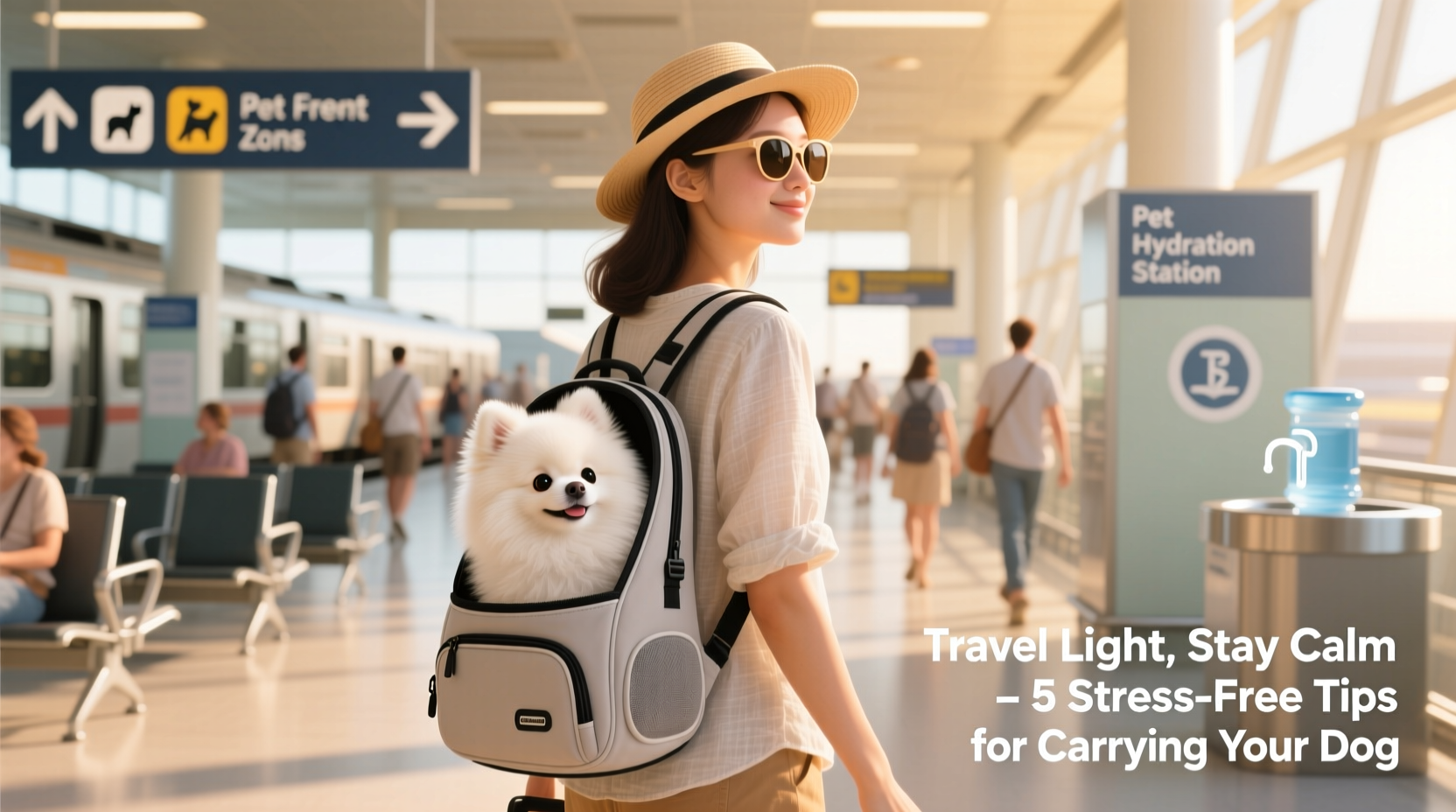
Not all pet carrier purses are created equal. A well-designed carrier supports your dog’s physical needs while complying with airline or transit regulations. Look for features like structured interiors, breathable mesh panels on multiple sides, and secure zippers. Soft-sided carriers offer portability, but ensure they provide enough support to prevent collapsing if placed under a seat.
Size matters: your dog should be able to stand up, turn around, and lie down comfortably. Measure your pet before purchasing. Carriers that are too tight cause stress; those that are too large may shift during movement, increasing injury risk.
Tip: Test the carrier at home first. Let your dog spend time in it with the door open to build positive associations.Prepare Your Dog for Travel with Gradual Acclimation
Dogs thrive on routine, and sudden changes—like being placed in a moving carrier—can trigger fear or motion sickness. Begin acclimating your dog weeks before travel. Start by placing treats and favorite toys inside the open carrier. Over time, zip it closed briefly while your dog is inside, then carry it around the house for short durations.
Next, simulate travel conditions. Take short car rides with the carrier secured on the passenger seat using a seatbelt strap. Keep trips pleasant: go to a park or quiet area and let your dog out afterward as a reward. This builds a mental link between the carrier and positive experiences.
“Dogs don’t understand travel logistics, but they respond to emotional cues. If you’re calm and confident, they’ll follow suit.” — Dr. Lena Torres, Veterinary Behavior Specialist
Essential Packing Checklist for You and Your Dog
Being prepared eliminates last-minute panic. Use this checklist to ensure nothing important is left behind:
- Carrier essentials: Secure leash, waste bags, collapsible water bowl
- Nutrition: Pre-portioned meals, familiar snacks, any medications
- Comfort items: Small blanket or shirt with your scent, chew toy
- Documents: Vaccination records, health certificate (if flying), ID tags
- Cleaning supplies: Paper towels, pet-safe wipes, odor neutralizer
Keep a mini first-aid kit handy with tweezers, gauze, and styptic powder in case of minor injuries. For air travel, confirm your airline’s pet policy—some require carriers to fit under the seat, prohibit certain breeds, or mandate health clearances.
Best Practices During Transit: Do’s and Don’ts
Once en route, your role shifts from planner to guardian. How you manage the journey impacts your dog’s comfort and safety. The table below outlines key behaviors to adopt—and avoid—while traveling.
| Do’s | Don’ts |
|---|---|
| Secure the carrier with a seatbelt or lap strap in vehicles | Allow your dog to roam freely in the cabin |
| Offer water during breaks (not while in motion) | Feed your dog right before or during travel |
| Speak calmly and reassure your dog through voice | Open the carrier in crowded or uncontrolled areas |
| Check periodically for signs of distress (panting, trembling) | Force your dog out if they seem fearful |
| Use calming aids like pheromone sprays if needed | Administer sedatives without veterinary approval |
Airports and stations are high-stimulation environments. Bright lights, loud announcements, and crowds can overwhelm small dogs. Keep the carrier facing forward so your dog can see you, but cover the top and sides with a lightweight cloth to reduce visual overload. Never place the carrier in an overhead bin—this is unsafe and prohibited by most airlines.
Real-World Example: A Stress-Free Flight with Bella
Sophie, a frequent flyer from Portland, traveled with her 7-pound Havanese, Bella, to visit family in Chicago. Weeks in advance, she introduced Bella to the carrier by placing her favorite stuffed squirrel inside. She practiced carrying it during grocery runs and took three short test drives.
On flight day, Sophie arrived early, checked in at the pet counter, and kept Bella’s carrier on her lap during security screening. During boarding, she used a calming spray recommended by her vet. Mid-flight, she gently opened the front mesh panel and offered Bella a few sips of water. Bella remained quiet throughout, occasionally peeking out but never attempting to escape.
“She slept most of the way,” Sophie said. “I credit the prep work. She knew the carrier wasn’t a trap—it was her safe zone.”
Step-by-Step Guide: Preparing for a Smooth Journey
Follow this timeline to ensure seamless travel with your small dog in a carrier purse:
- 4 Weeks Before: Select a compliant carrier and begin acclimation training.
- 2 Weeks Before: Practice short outings with the carrier. Confirm airline or transit rules.
- 3 Days Before: Pack all essentials. Update ID tags and print health documents.
- 1 Day Before: Bathe your dog and trim nails. Avoid heavy meals after dinner.
- Day of Travel: Feed a light meal 3–4 hours before departure. Attach ID tag to carrier. Arrive early to avoid rushing.
- During Transit: Monitor your dog quietly. Offer reassurance without overstimulating.
- After Arrival: Allow your dog to relieve themselves immediately. Unpack their bed and food to reestablish routine.
Frequently Asked Questions
Can I bring my dog’s carrier purse on a plane?
Yes, most airlines allow small dogs in carriers that fit under the seat in front of you. Size limits vary—typically 17” x 10” x 9”—so verify with your carrier. Hard-sided carriers must meet the same dimensions. Note that some airlines restrict pets on long-haul or international flights.
How do I prevent my dog from barking in the carrier?
Barking often stems from fear or discomfort. Desensitize your dog to the carrier at home, use white noise or calming music during transit, and avoid eye contact with strangers who might excite them. Pheromone collars or sprays (like Adaptil) can also help reduce vocalization caused by anxiety.
Is it safe for my dog to travel in a purse-style carrier?
Yes, if the carrier meets safety standards: sturdy construction, adequate airflow, secure closures, and a safety leash inside to prevent jumping. Never use sling-style carriers in crowded or elevated areas. Always keep a hand on the carrier when standing or moving.
Final Thoughts: Travel Should Be Enjoyable for Both of You
Traveling with a small dog in a carrier purse doesn’t have to be stressful. With the right tools, preparation, and mindset, it can become a seamless extension of your shared life. The key lies in anticipation—planning for needs before they arise, respecting your dog’s emotional limits, and maintaining consistency in routines.
Your dog looks to you for stability. When you approach travel with confidence and care, they’ll mirror that calm. Whether it’s a weekend getaway or a cross-country adventure, every trip is an opportunity to strengthen your bond.
💬 Have a successful travel story with your small dog? Share your tips in the comments and help fellow pet parents travel with confidence!








